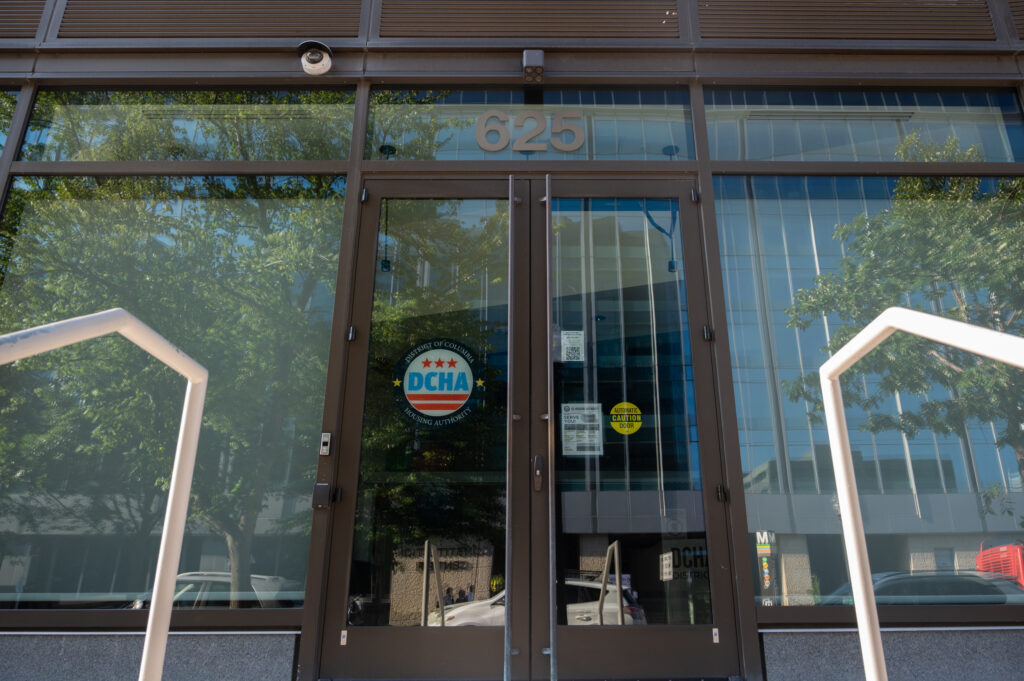
The D.C. Housing Authority (DCHA) may face challenges in the next year as federal funding for its programs remains the same amid rising costs.
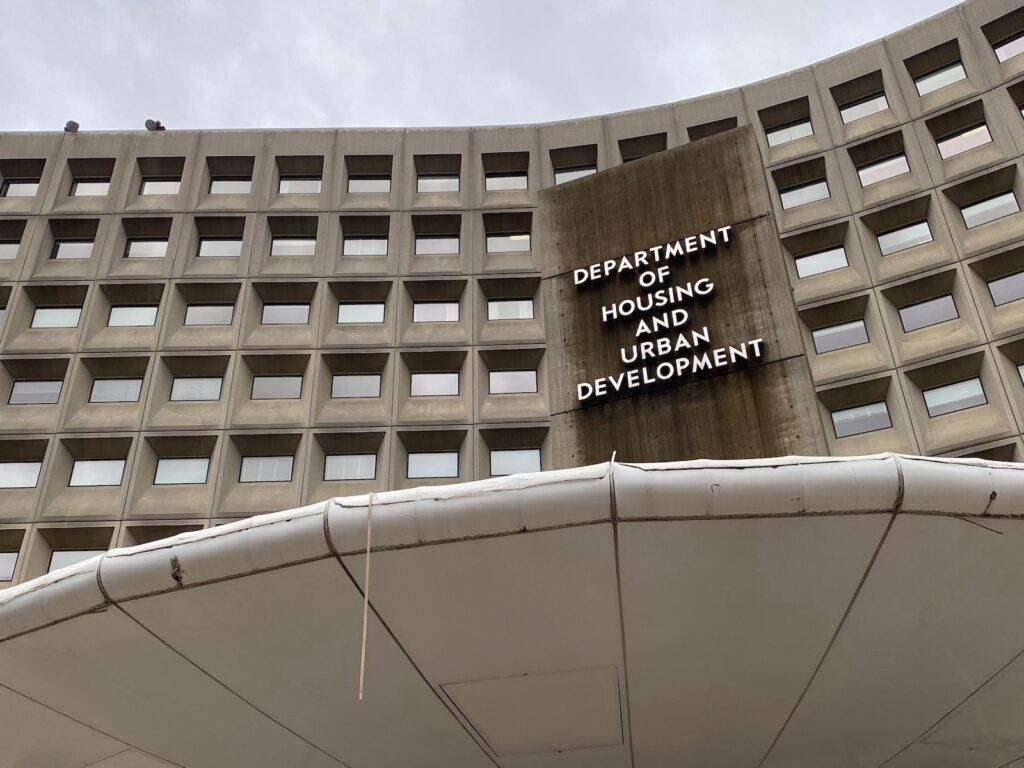
The U.S. Department of Housing and Urban Development (HUD) did not meet DCHA’s fiscal year 2026 budget request, interim DCHA Executive Director Nicole Wickliffe shared at DCHA’s Board of Commissioners meeting on June 10.
HUD’s decision will require the agency to “reposition dollars” in its current budget, which was approved by the Board of Commissioners in September 2025, according to Wickliffe. DCHA is still analyzing its federal funding and potential impacts and will form contingency plans based on those analyses, a DCHA spokesperson wrote in a statement to Street Sense.
“We have received our final budget for fiscal year ’26 from HUD. With that, we know we have to do some reprogramming, as we’ve talked about many months,” Wickliffe said during the meeting.
DCHA, like other housing authorities, has historically relied upon the federal government for funding, including for public housing and the Housing Choice Voucher Program (HCVP).
In September, DCHA’s Board of Commissioners asked HUD for an operating budget of $802,308,635, a 20% increase from its budget proposal for FY2025. HUD typically gives DCHA a 5-12% increase in funding each year, Wickliffe said at the meeting. But HUD did not approve any increase this year. Forced to cope with higher costs due to inflation and rising utility prices, DCHA must to do more with less.
Wickliffe attributed the funding constraints, in part, to HUD’s funding being based on DCHA’s activity from 2024, when fewer people were using housing vouchers. As of June, Wickliffe said the HCVP is more than full at 102-103% capacity, exceeding the federal funding provided for the vouchers.
DCHA began taking preemptive cost-saving measures in January, cutting the security deposit assistance program and sparking advocacy groups to push for more assistance this budget season. At the meeting, Wickliffe said DCHA aims to enact more cost-saving measures and to work with the mayor and councilmembers to secure additional security deposit funding. The budget passed by the D.C. Council includes $1.7 million.
“We [DCHA] will continue to prioritize sustaining the more than 30,000 families currently supported by DCHA housing programs, while also operating within our budget,” the spokesperson wrote. “DCHA is currently analyzing the changes in federal funding and how they may impact the Public Housing and Housing Choice Voucher (HCVP) programs.”
This isn’t DCHA’s only HUD-related budget challenge. Federal funding cuts will end housing assistance for hundreds of D.C. residents on Emergency Housing Vouchers (EHVs). The program was launched by then-President Joe Biden to provide emergency housing assistance during the pandemic to individuals or families who were homeless, at risk of homelessness, or leaving unsafe situations. While the program was slated to last until the end of the decade, HUD told public housing agencies to stop issuing EHVs in August 2025 and estimated it could only cover EHV families through 2026, following President Donald Trump’s proposal to cut HUD funding by 45%.
If DCHA’s funding for EHV runs out, the 517 families in the EHV program will lose their assistance. DCHA is exploring funding options and alternative affordable housing options for those under the EHV program,
according to the spokesperson.
DCHA has an opportunity to apply to HUD for a shortfall award as part of the Consolidated Appropriations Act, which provides $337 million to public housing agencies experiencing or at risk of financial shortfalls. The deadline is Jan. 29, 2027.
This article originally appeared in Street Sense’s July 1, 2026 edition.