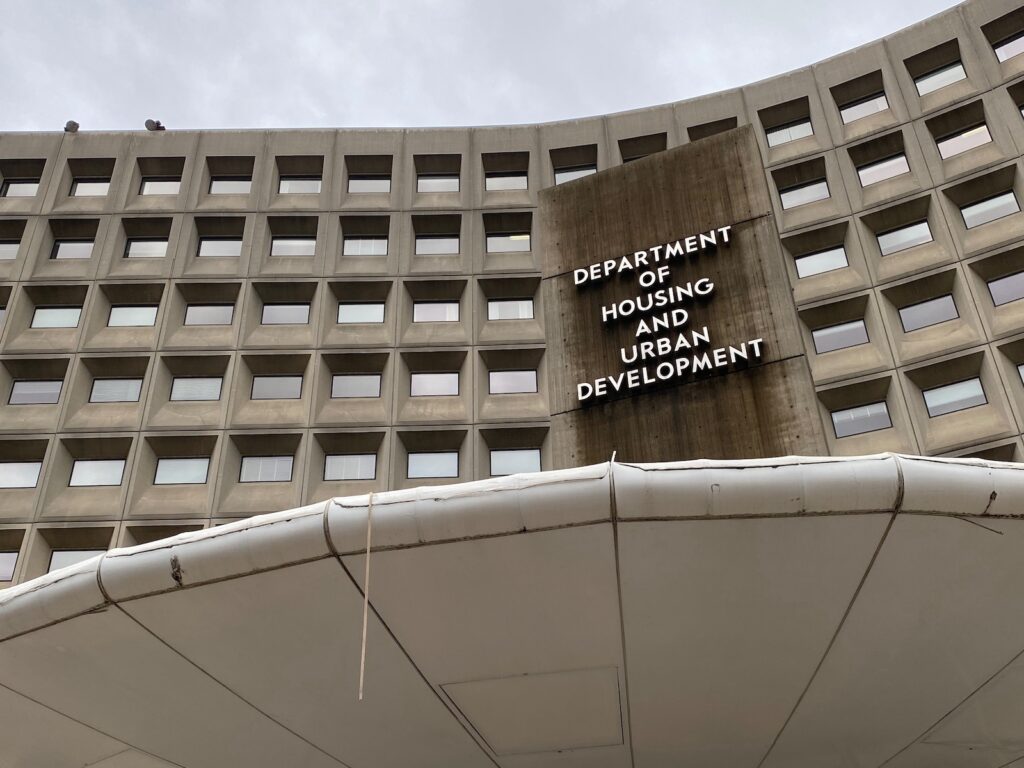
Hundreds of D.C. residents could lose their federal housing assistance early as funds from the U.S. Department of Housing and Urban Development (HUD) dry up.
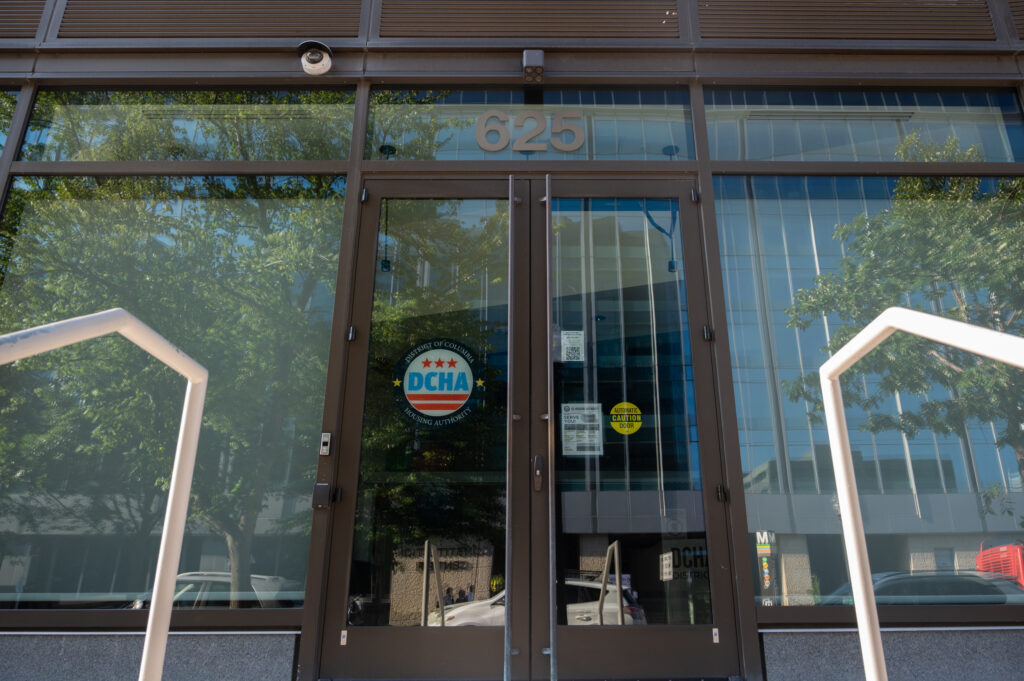
The D.C. Housing Authority (DCHA) received notice from HUD in late March that funds for the 2021 Emergency Housing Voucher (EHV) program — a $5 billion federal initiative to help the most vulnerable homeless populations find housing during the pandemic — will run out in 2026. Like other public housing agencies across the country, DCHA was prohibited from issuing new vouchers starting April 9. With no new money coming from HUD, current voucher holders will retain their assistance only as long as DCHA’s existing funds last, after which tenants may stop receiving payments.
According to the Center on Budget and Policy Priorities, 588 households received EHV vouchers in D.C., and if all of them were to lose assistance, homelessness in the District could increase by 13%.
Kim Johnson, policy manager at the National Low Income Housing Coalition, said that what makes the cuts especially “tragic” is that EHVs were designed to help the people at the most immediate risk of homelessness, so if people currently on the voucher fail to receive future payments, it is likely they will become homeless again.
“They don’t have a plan B,” Johnson said. “Without this assistance, they’re going to be thrust back into housing instability and, in the worst cases, homelessness.”
DCHA spokesperson Alison Burdo said in an email the agency had issued vouchers to all EHV applicants who were confirmed before April 9 — the date HUD set to prevent the issuance of new vouchers — and those applicants are in the leasing up process.
Rent prices have steadily increased since 2020 in the District, hiking 12% from 2023 to 2024 — the highest rent increase among all major metropolitan areas during that time. The loss of federal support comes as the District begins to tighten its budget and scale back on safety net programs, such as Rapid Rehousing, which has stopped accepting applicants for the fiscal year, and the Emergency Rental Assistance Program.
Launched under then-President Joe Biden as part of the 2021 American Rescue Plan, the EHV program aimed to assist those experiencing homelessness or attempting to flee domestic violence, human trafficking, or sexual assault. The program was slated to last through the end of the decade, but HUD cited “historic” increases in rent prices as a cause for funds running out earlier than expected, leading the department to focus on ensuring remaining funds extend the program “as long as possible.”
“Adding new families to EHV at this point is inconsistent with the goal of protecting currently housed EHV families for as long as possible,” the HUD letter reads.
Steve Berg, chief policy officer at the National Alliance to End Homelessness, said that in addition to increasing rents, dwindling funds could be a result of state housing authorities issuing more, shorter-term vouchers in the hope that Congress would continue to fund the program. Now, “The bigger reason is they just put out more vouchers than Congress had originally thought they were going to put out,” Berg said.
The impact of federal funding cuts to HUD is compounded by the fact that many local and state jurisdictions, including the District, are also facing funding issues, which could limit states’ ability to make up for federal cuts with their own services, Berg said.
“There are a lot of advocates around the country who are hoping that there is some state or local money available to fund the EHV vouchers if the tenants are gonna get evicted otherwise,” Berg said. “In many communities, it’s a bad year for local funding as well.”
The funding complications come as President Donald Trump’s proposed FY 2026 budget aims to slash HUD funding by 45% and cut $26.2 billion from the department’s rental assistance programs. The proposed budget in effect seeks to end Section 8 — the federally funded Housing Choice Voucher System that served as a model for the EHV program — and send federal rental assistance funds to states to “design their own rental assistance programs based on their unique needs and preferences.”
Meanwhile, in D.C., no new vouchers will be issued and other homeless services and social safety net programs face cuts. D.C. Mayor Muriel Bowser proposed her FY 2026 budget in May, including a $3.3 million cut to the District’s Permanent Supportive Housing (PSH) program. The budget also includes proposed changes to Medicaid eligibility, making childless adults and adult caregivers whose income is $21,597 or above — 138% of the federal poverty level — ineligible for Medicaid. The mayor’s office expects the change to affect more than 25,000 people.
While Congress could extend the EHV program, Johnson said many lawmakers do not have the “appetite” for continued funding, especially in a year when federal programs are facing budget cuts. Advocates now see the challenge as convincing lawmakers of the importance of housing services programs, so even if they don’t fund EHVs, they put money into other programs.
In D.C., Councilmember At-Large Robert White, who chairs the Committee on Housing, released a report recommending changes to the mayor’s proposed cuts of certain housing programs, but did not recommend any additional funding for local housing voucher programs like PSH.
The impact of homeless services cuts could be compounded by cuts to other social safety net programs locally and federally, like Medicaid and Temporary Assistance for Needy Families, as families will have to spend more on necessities like food and health care and less on housing, according to Johnson. D.C.’s Committee on Health, chaired by Councilmember At-Large Christina Henderson, also recommended changes to the mayor’s budget, including creating a program to supplement coverage for those who will lose Medicaid.
“We’re just putting more and more pressure on these households that really don’t have the flexibility of funding and simply don’t have the money to make these ends meet without additional assistance,” Johnson said.
This article originally appeared in Street Sense’s July 2, 2025 edition.