On June 16, D.C. voters completed the first election under ranked choice voting. Due to the elimination process, the District of Columbia Board of Elections posted its round-by-round results on June 21.
This election represents a potentially significant impact on policy, including policing, education, and housing. A new government could mean D.C. has the opportunity to make headway on issues voters care about most, such as the threats from President Donald Trump to erode D.C’s home rule doctrine, which allows D.C. residents to control their local affairs, like the budget or electing a mayor and D.C. Council.
There are 35 new elected members of the D.C. Democratic Party who are part of the Free DC Slate. Free DC is a home rule advocacy organization that emphasizes the right of District of Columbia residents to self-govern, according to its website. Seventy-five percent of the slate’s candidates won elections to Democratic State Committee positions. An important addition in the fight for home rule is the Democratic nomination for a non-voting congressional delegate. Robert White secured this nomination by carrying 64% of the vote.
In a historic primary election under ranked choice voting, D.C. chose current Ward 4 Councilmember Janesse Lewis George as the Democratic nominee for mayor. Lewis George won more than 50% of the vote. Her toughest rival, former At-Large Councilmember Kenyan McDuffie, conceded the election to Lewis George on the morning of June 18. Throughout her second term as a councilmember, Lewis George promoted a social housing model through the introduction of the Green New Deal for Housing Amendment Act, which is still under council review. Social housing is a housing concept aiming to create subsidized or affordable housing, often publicly owned and managed. In contrast, Mayor Muriel Bowser, during her three terms, relied on public-private partnerships to promote housing affordability, as emphasized by Bowser’s deputy mayor for planning and economic development during the final budget engagement forum held by the Bowser administration in February. Lewis George’s win could introduce several projects following the social housing model. Lewis George vowed she will “launch Dignified Homes DC, a social housing program with a focus on publicly owned mixed-income housing, along with permanent affordable units.”
Other nominations included new councilmembers. Oye Owolewa, a former U.S. shadow representative, secured 34% of the vote in the first round and won the nomination for at-large councilmember, eventually securing 50% of the vote in the last round, defeating Lisa Raymond, who secured 28% of the vote. Aparna Raj, with 52% of the vote, won the Democratic primary for the Ward 1 councilmember. These nominations mean November’s elections will lead to drastic changes in the council’s housing position.
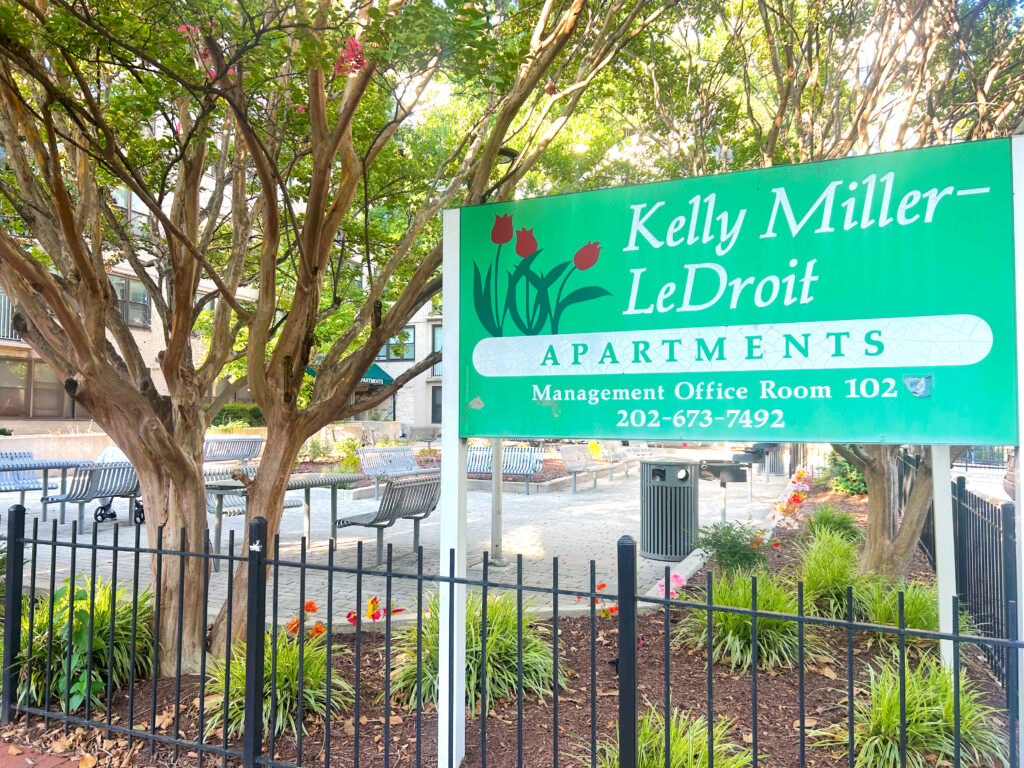
Owolewa previously told Street Sense he would make financial commitments to the Housing Production Trust Fund, to preserve housing, help tenants purchase their buildings, help nonprofits acquire properties, and fund emergency rental assistance. Raj supported bridge housing and the Tenant Opportunity to Purchase Act (TOPA).
Also, Elissa Silverman will return to the at-large seat after losing an election in 2022 to McDuffie. Silverman shared with Street Sense that if awarded the term, she would focus on vacant public housing units.
With one ranked-choice voting cycle in the bag, it is likely most of these nominations will move on to be elected to their respective positions following the November general election. Typically, the Democratic nominee in D.C. moves on to be elected after primaries due to D.C. being a majority Democratic leaning city, according to Time Magazine. If the D.C. election tradition holds true, then D.C. could be looking at a more socialist lean in housing policy. Politics is ever-changing, and the first ranked choice primary election results show just that.
This article originally appeared in Street Sense’s July 1, 2026 edition.