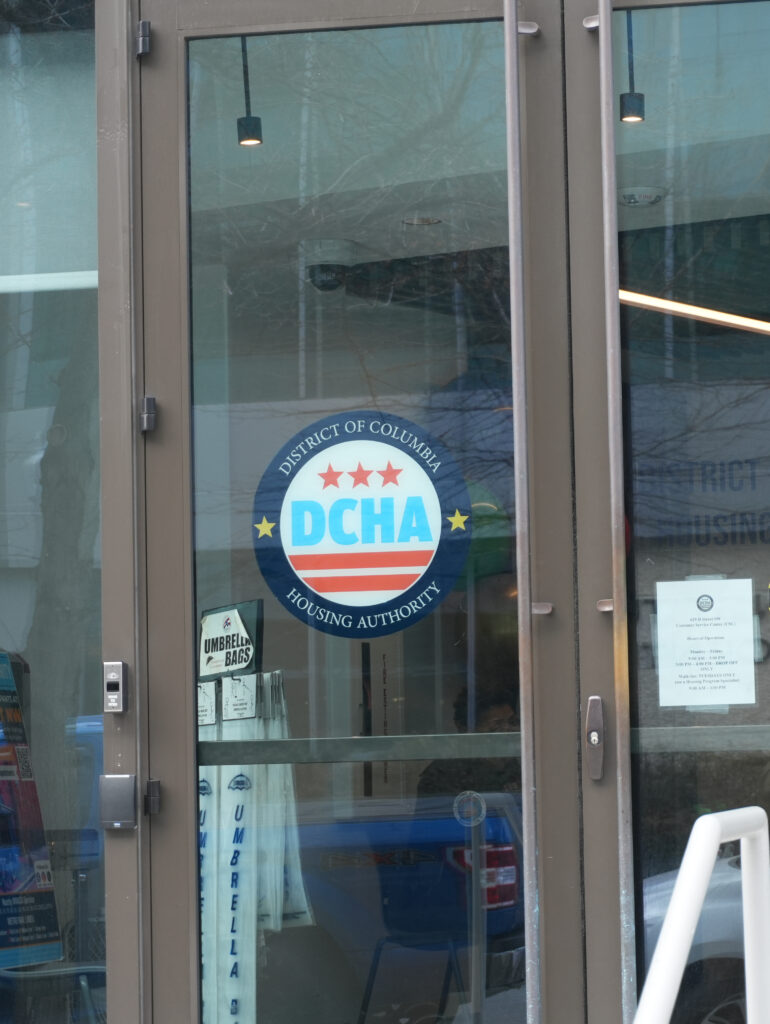
The D.C. Housing Authority (DCHA) Board of Commissioners passed a new administrative plan, which governs most federal and local housing voucher administration, on March 11 for the first time in three years. The plan, the first official, non-emergency plan since the soon-departing DCHA Director Keith Pettigrew joined the team, includes major updates like using random selection for who comes off the waitlist for housing, prioritizing people experiencing homelessness for federal vouchers, and simplifying the requirements for housing voucher applications.
DCHA up, until this point, had been using an administrative plan dating back to April 12, 2023. The plan has been going through emergency updates since its implementation.
In addition to policy changes, the new plan aims to correct procedural issues and reflect changes to the U.S. Department of Housing and Urban Development (HUD) regulations. The goal of increasing transparency was of utmost concern in the new plan, according to DCHA’s Senior Vice President and General Counsel Amy Glassman.
“We want to be consistent and transparent in terms of our policies, and we want to offer stability and transparency to our participants, to our landlords, to the public,” Glassman said at the March 11 DCHA Board of Commissioners meeting.
One key change in the new plan is an update to the Housing Choice Voucher (HCV) program preferences to better support D.C.’s unhoused population. Residents on the waiting list for a federal voucher will be prioritized if they are receiving services through D.C.’s Continuum of Care, which offers shelter alongside other social supports for people experiencing or at risk of homelessness, or are currently being housed by the Emergency Housing Voucher (EHV) program. The EHV program, which houses hundreds of D.C. residents, is anticipated to run out of federal money sometime this year.
Currently, the voucher program functions with one large waitlist, which has about 17,000 waiting residents, according to agency oversight responses. Most residents have waited between 11 and 15 years to be selected for an HCV.
The waiting list, which has been closed since 2013, will also be updated to add a random selection process for those without preferences, meaning residents will not be prioritized based on when they entered the list or how long they have been waiting. The agency may also create project-based waitlists under the new plan, allowing tenants to choose to be added to specific property waitlists.
Additionally, DCHA is working to simplify the voucher process, including doubling the time frame in which supporting documents will be accepted, making in-person eligibility interviews optional, and allowing no income households to limit the number of times they have to confirm their income.
The original draft of the 2026 administrative plan received over 300 public comments, which DCHA tried to address in the refinement process. The agency said it took many of these comments into consideration, though not all of the public’s comments were included in the final draft.
“I think advocates were doing what advocates are supposed to do,” Commissioner Christopher Murphy said in the March 11 meeting. “In many cases, they asked us to sort of push the boundaries and things, and I think where it felt reasonable to do that, it seemed like that was honored.”
DCHA released the first draft of the plan for public comment last August. The agency then proposed a revised plan in November and held a virtual public hearing for feedback. The plan then entered a required comment period by HUD before the DCHA Board of Commissioners’ vote on March 11.
The plan was passed days before the Chicago Housing Authority Board voted to appoint Pettigrew to take over the agency. Pettigrew, who has served as director of DCHA since November 2023, was midway through his three-Year Recovery, which included updating the administrative plan and resolving outstanding concerns from the 2022 HUD audit.
The recovery plan detailed goals to improve staff training and customer service, as well as the utilization of low-income housing units. While utilization has skyrocketed, according to a recent DCHA oversight hearing, customer service complaints persist.
With Pettigrew’s departure announced, the fate of these outstanding goals is unclear. The agency will soon appoint an interim director and explore long and short-term leadership plans, according to DCHA Board of Commissioners Chairman Raymond Skinner.
“Although we were disappointed to learn of Director Pettigrew’s departure, the Board and the talented management team that we have built remain steadfast in our mission to provide quality, affordable housing to low-income District families,” Skinner wrote in a statement. “Our work continues, full speed ahead.”
The plan will enter the D.C. Register and its final public comment period. DCHA encourages the public to continue being involved in the refinement of the regulations.
“We do hear you, we understand your concerns, and we are working with the team to do level-best to address them, even though there may continue to be issues,” DCHA Commissioner Theresa Silla said at the meeting.
This article originally appeared in Street Sense’s March 25, 2026 edition.