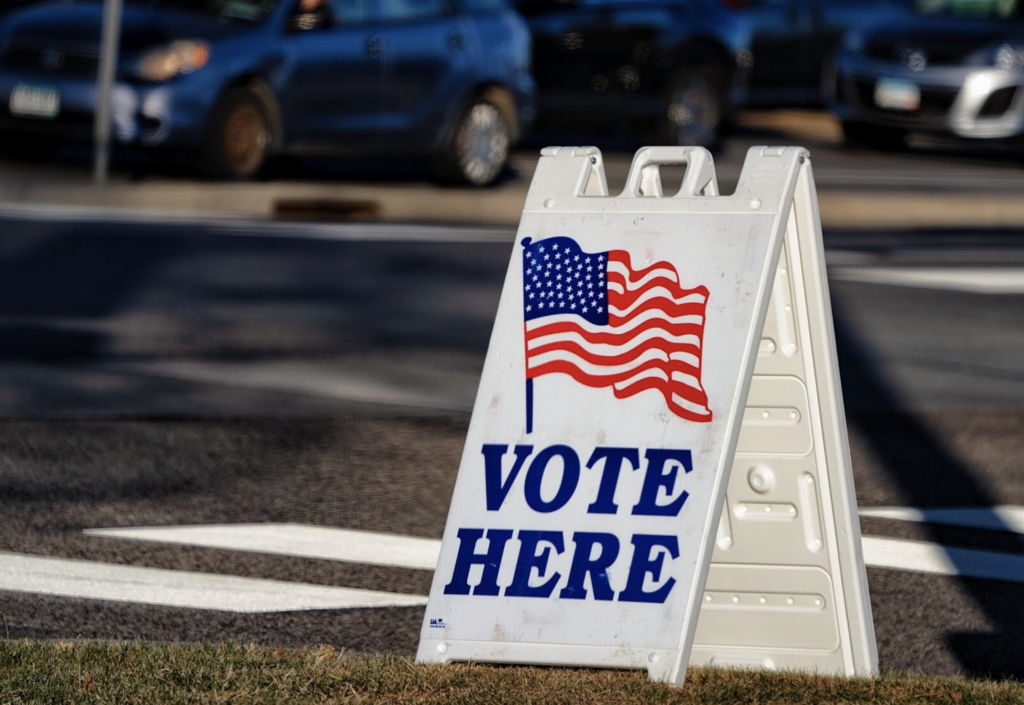
On June 16, D.C. will hold its primary election, which will determine who is on the ballot this November. The Democratic nominees will all be heavily favored to win in the November general election; over 75% of D.C. voters are registered as Democrats, and D.C. has never elected a Republican mayor. Seats up for election city-wide include the D.C. mayor, attorney general, non-voting delegate to the House of Representatives, council chair, and two at-large D.C. Council seats. Wards 1, 3, 5, and 6 will also elect councilmembers.
This article includes breakdowns of the Democratic primaries and special election for seats on the council. Read all about races for mayor, delegate, and attorney general here.
Jump to responses: At-large special election, at-large primary, Ward 1
How to vote
All D.C. residents, including U.S. citizens and non-citizens, who will be at least 18 by the general election on Nov. 3, 2026, can register to vote with a party in this election.
Voters registered as a Democrat, Republican, or D.C. Statehood Green can vote in the June 16 election, though there are only competitive races in the Democratic primary this cycle. Independent voters cannot vote in the primary election, but can vote in a special election for an at-large seat on the council.
All residents can register to vote during early voting or on Election Day by bringing proof of D.C. residency to the polling center. People experiencing homelessness can use the address of a shelter, park, or intersection, as long as they can provide documentation of residency within the District (this could be an occupancy statement from a D.C. shelter or a current D.C. ID).
Early voting will run from June 8 to June 14. On Election Day, polls across the District will be open from 7 a.m. to 8 p.m. Voters can go to any voting center regardless of their address.
Every registered voter will also receive a ballot in the mail (paid postage is included). To vote by mail, the completed and signed ballot must be postmarked by June 16, and must arrive by June 26. Track ballots on BallotTrax.
Ranked-choice voting
This election will be the first time D.C. voters will use ranked-choice voting. Voters will have the opportunity to vote for up to five candidates per election, ranking candidates in order of preference, starting with their favorite at rank one.
Ranked-choice voting does not split one person’s vote between different candidates. Rather, it allows the vote to go to a second or third choice candidate if the voter’s first choice doesn’t have substantial support. In the first count, everyone’s vote goes to the candidate they ranked at number one. At this point, if no candidate gets 50% of the votes, the candidate with the fewest votes is eliminated, and their votes are redistributed to the candidates each voter ranked second, and so on. A candidate only wins by receiving 50% of votes. Races with only two candidates do not use ranked-choice voting.
Brandon Bush-Thompson, engagement coordinator from Rank the District, said the new voting system will allow voters to focus more on values and policy, instead of casting votes based on who is most likely to win.
Voters should select one candidate for multiple rankings or multiple candidates for one rank, he said, as it could invalidate their ballot. Instead, voters should choose their favorite candidate as rank one, and then select any other candidates they would be comfortable with seeing in office in order of preference. Voters do not have to fill all five ranks.
“If there’s a candidate who you do not like, do not rank them at all,” Bush-Thompson said. If a voter ranks a candidate, they are signifying they would be comfortable with the candidate getting their vote, he said.
Advocates argue ranked-choice is more inclusive than standard voting and the process results in more equitable and representative elections. Bush-Thompson said this system gives voters the opportunity to share their voices in a more democratic way. “If there was ever an opportunity for people’s voices to be heard, this is a system that could give us that opportunity,” he said. “I’m really hoping that people take advantage of it in that way.”
The candidates
D.C. is a different city than it was when it held its last election in 2024. Last August, the Trump administration took over law enforcement powers in the city and cracked down on visible homelessness. Local programs addressing homelessness and poverty are at risk due to changes in funding at both local and national levels. The newly elected lawmakers will shape the District’s response to these issues, among others.
This election comes shortly after Mayor Muriel Bowser released her budget for fiscal year 2027, which included significant cuts to D.C. homeless services, supportive housing vouchers, and additional safety net programs, including domestic violence services and Temporary Assistance to Needy Families.
Street Sense asked all the candidates on the ballot about these issues and more. This guide includes a summary of their responses, as well as the full text of each in a PDF.
At-large special election
The D.C. Council is responsible for passing laws in the District, approving the mayor’s budget, and conducting oversight of District agencies. The council has four at-large seats, two of which are open for elections this year.
In January, Kenyan McDuffie resigned from his at-large seat on the council to run for mayor. There’s a special election for this seat, and the winner will serve as the at-large representative through the end of the year.
McDuffie’s former seat is one of two reserved for members of a minority party. Democrats, as the majority, can’t hold the seat, so all three of the candidates in this election are registered as independents. This election will appear on every ballot, and independent voters can request a ballot even if they are not voting in the primaries.
The special election in June will only determine who holds the seat for the next six months. The seat will then be up in the November general election, with the winner serving for the next four years.
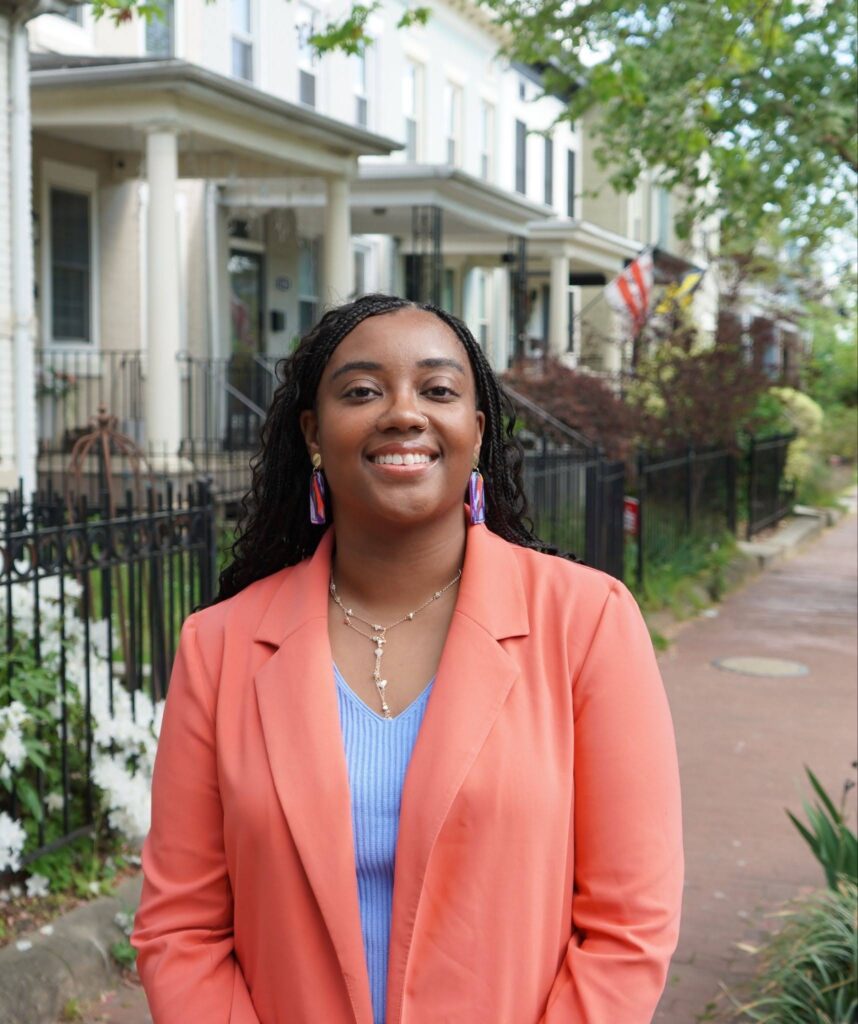
Doni Crawford has served as an at-large councilmember in McDuffie’s seat since January. She was previously a staffer in McDuffie’s office.
Crawford called out deficiencies in the Housing Production Trust Fund, which “is legally required to direct half its money toward the lowest-income residents, and that requirement has not always been honored.” She said she would work to hold that line, while also pushing to up the affordable housing requirement on District-owned land and fix the Inclusionary Zoning process. In a May 23 forum, Crawford said she supports a renter tax credit.
Crawford supports non-congregate shelter options and converting vacant office buildings to shelter space. She said there are not enough shelter beds in the District, and beds are not evenly distributed across the city.
Before closing encampments, Crawford said the city should offer a “genuine placement:” shelter or housing, connection to services, and enough advance notice Crawford said the city should also track people after closures to learn how they are impacted.
When it comes to money for ending homelessness, “the mayor’s decision to include no new housing vouchers in this year’s budget is the wrong call,” Crawford wrote. She said she does not want to “see the budget balanced on the backs of the people who can least afford it.” She said she would also push for accountability on voucher use, “because a voucher someone can’t use because no landlord will accept it is not actually a solution.”
Crawford pointed to her past advocacy around homelessness, including attending the annual vigil for people who died without a home. She said she would work with the community and “revisit my positions when people who know from the inside tell me something isn’t working.”
Read Doni Crawford’s full responses.
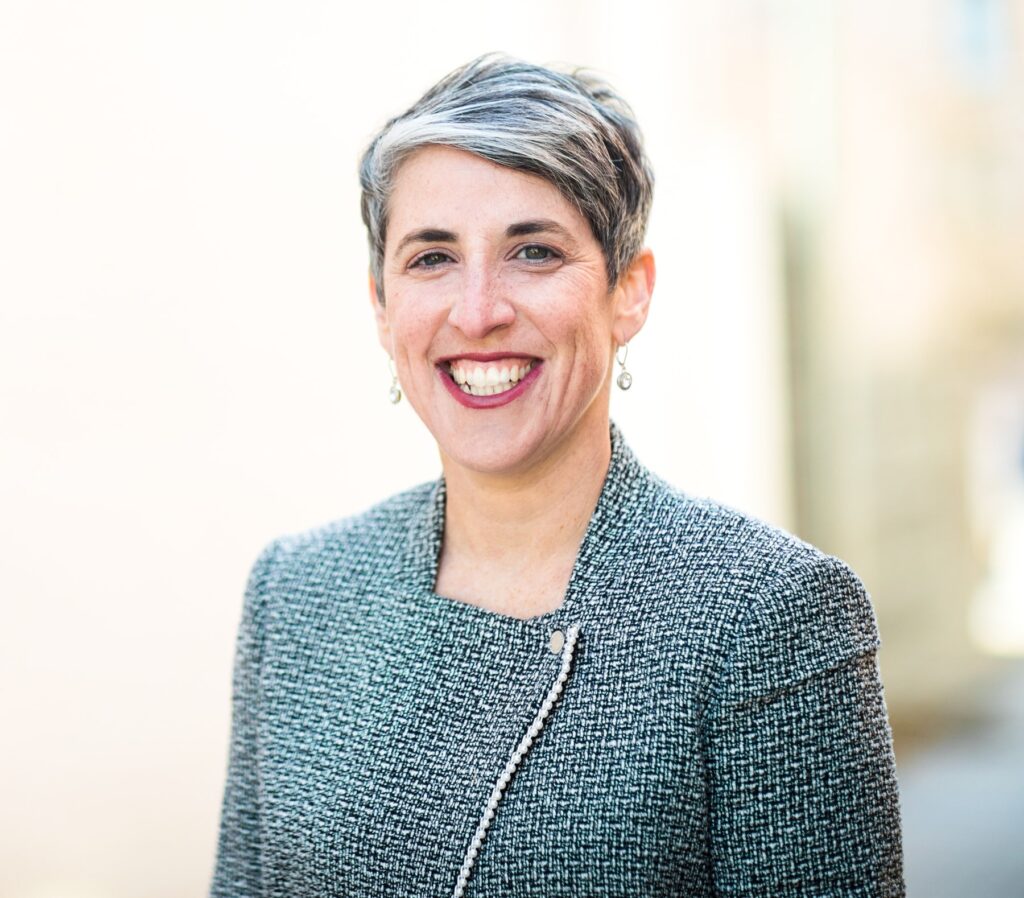
Elissa Silverman served on the council from 2015 to 2023 and lives in Ward 6. She chaired the Committee on Labor and Workforce Development.
This term, to address housing unaffordability, Silverman wrote D.C. should build more rental housing, improve resources for renters about affordable options and rent-stabilization, and improve use of the Housing Production Trust Fund. At a May 23 candidate forum, she said the District needs to fix and use vacant public housing units, fix voucher administration, and hold the Commanders to their promise of building affordable housing.
Silverman said D.C. needs more safe and humane shelter, especially for the LGBTQ+ community. “There is a lot of work to do.”
Homelessness only ends when people move into and stay in housing, and the goal of the city should be housing first, Silverman said. “The problem with our encampment approach is that it’s about getting rid of encampments, not getting people into housing,” she wrote. “We need to make good on the Support part of Permanent Supportive Housing.”
On vouchers, Silverman said she wanted to improve administration. “I was just at a forum sponsored by Empower DC in which a woman told me she waited months and months to be able to get a rental unit with her voucher. With funding less free flowing, we need to get the most out of every voucher that we can put into use.”
Silverman said she previously volunteered with Miriam’s Kitchen, where she learned “there are many paths to get to that point of relying on Miriam’s Kitchen, but the one path to get out of it is stable housing,” and she would continue to meet with homeless residents.
Read Elissa Silverman’s full responses.
Jacque Patterson is the president of the D.C. State Board of Education. His website says he would “fight for balanced housing policies that protect tenants while increasing the supply of affordable housing, expand programs that help residents become homeowners, and support responsible fiscal policies that keep the District financially strong while protecting working families.” He did not respond to Street Sense’s questions.
Democratic at-large
The second at-large seat up for election is currently held by Anita Bonds, who has served on the council since 2012 but is not running for another term. There are nine candidates in the Democratic primary. The winner will face Republican Darrell Green and the Green Party’s Darryl Moch.
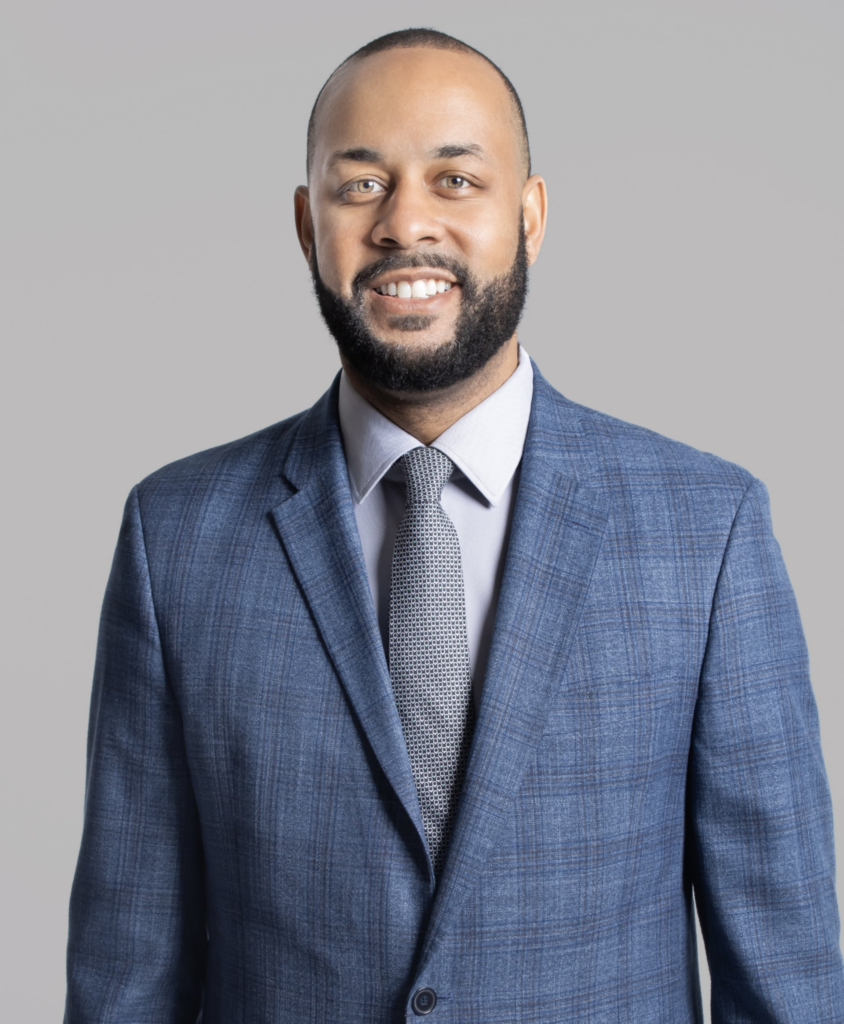
Kevin Chavous is a graduate of Howard and an attorney based in Ward 7. He worked for Bonds, who holds the seat.
Chavous said he would support restoring funding for permanent supportive housing vouchers, allowing quick tax relief for new homeowners, and creating a homeowner resource center. “I support building more housing along transit corridors, incentivizing “pop-up” additional levels on DC townhomes and accessory dwelling units (ADUs), updating residential zoning to encourage multifamily construction citywide, and converting vacant commercial properties to residential use,” he wrote.
Chavous said there are not enough shelter beds in D.C, and he would push for more low-barrier beds for LGBTQ+ individuals. He also supports requiring local businesses to donate surplus food to shelters and nonprofits.
“We can’t simply focus on the closing of encampments,” he wrote. He said the District needs to provide shelter for people impacted by encampment clearings, and resources like trash pickups, public restroom access, protection against destruction of property, case management, mental health, and substance abuse treatment.
With a tight budget for housing, Chavous said he would push for the city to provide other services to people experiencing homelessness. “We could expand access to transportation directly to shelters, housing sites or medical facilities,” he wrote.
Chavous has worked with Housing Counseling Services and with people experiencing homelessness through Bonds’ office. “People with lived experience of homelessness need to be present when policy is being made, not brought in for testimony after decisions are already set,” he wrote.
Read Kevin Chavous’s full responses.
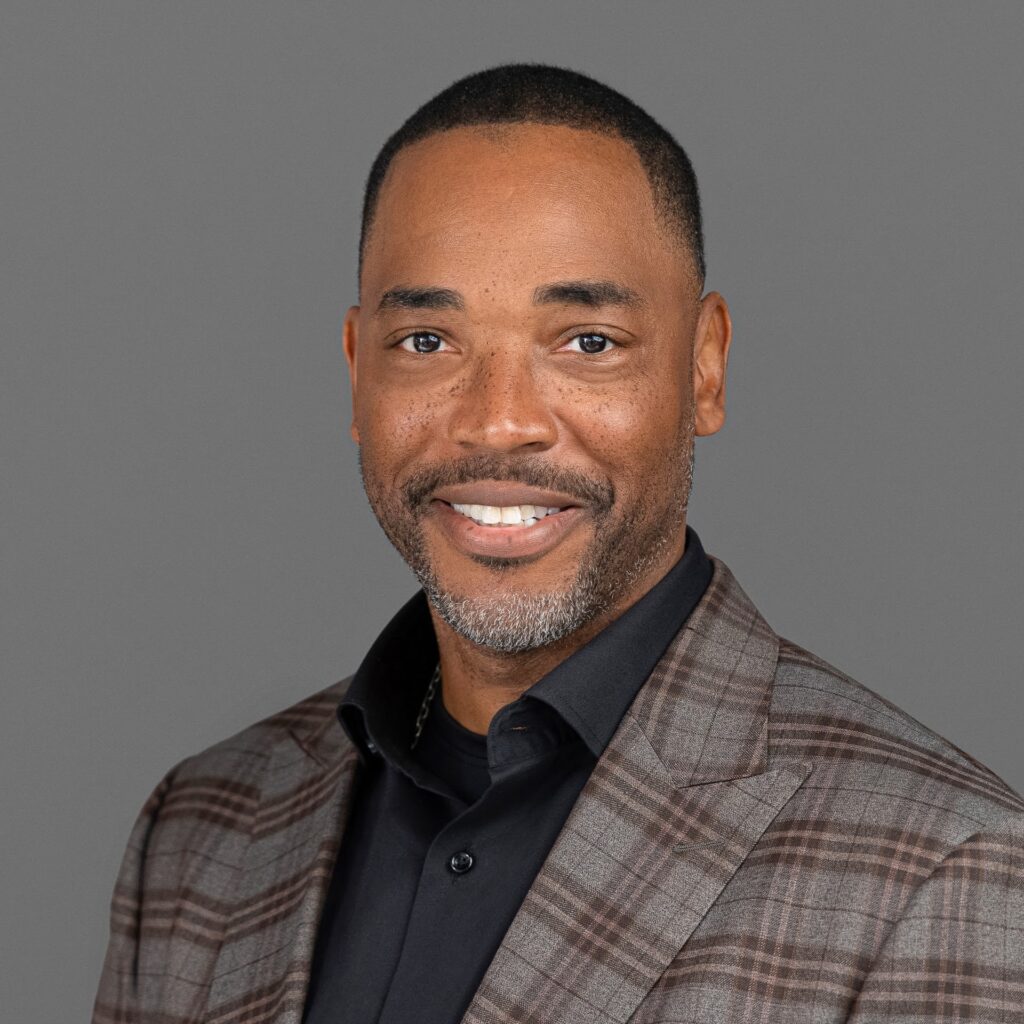
Dwight Davis is a former elementary and middle school principal at D.C. Public Schools.
Davis said he would require developers receiving public assistance to build affordable workforce housing. He said he would advocate for the Tenant Opportunity to Purchase Act. “Residents need a real and funded path to live, stay, and age in the District,” he wrote. Davis said his approach to affordable housing would be rooted in preservation.
D.C. does not have enough shelter beds, Davis said, and the system has “chronic gaps” for victims of domestic violence, LGBTQ+ youth, and older adults. Davis would advocate for non-congregate shelter options, while also recognizing shelters are not solutions.
Closing encampments without paths to housing does not solve homelessness, and “is a failure of both policy and basic human decency,” Davis wrote. He said the District should clean encampments regularly and outreach workers should ensure the protection of personal items. “The goal is not fewer visible encampments, but fewer people without homes,” he wrote. At the forum, Davis supported using housing first programs to address chronic homelessness.
He said vouchers are a cost-effective tool to address homelessness and said he would push to make vouchers more effective: “faster processing timelines, landlord incentive programs that expand the number of units accepting vouchers.”
Davis also said he would establish a “Lived Experience Advisory Council” of D.C. residents with lived experience of homelessness to review policy proposals and meet with his office.
Read Dwight Davis’s full responses.
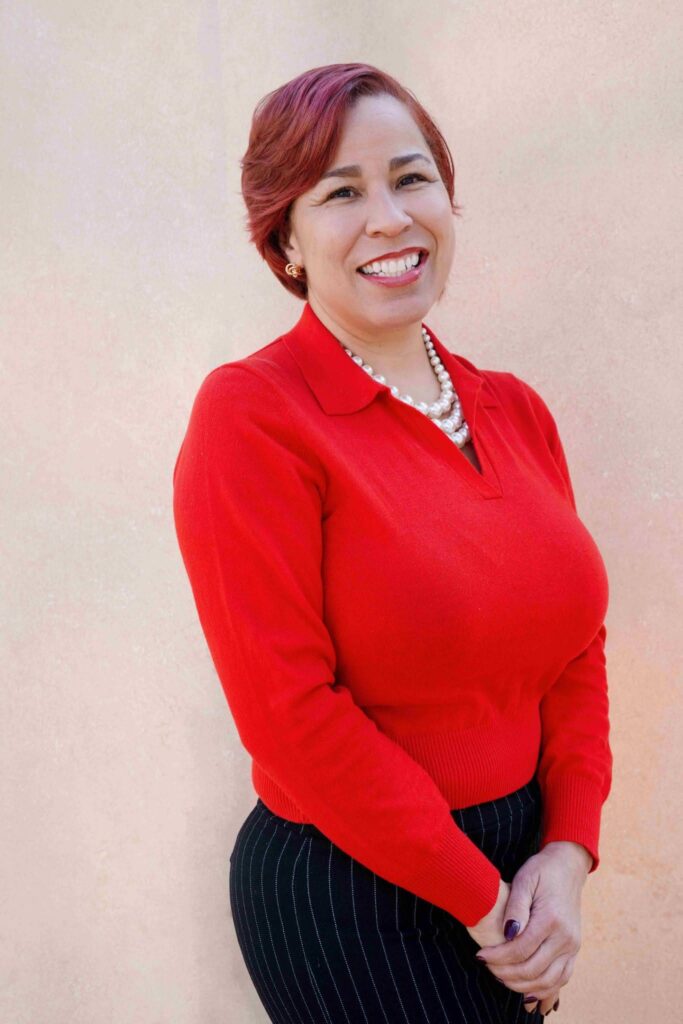
Dyana Forester is a community advocate, former ANC, and former housing authority board member.
On the issue of housing affordability, Forester said she would fix Rapid Rehousing, fund the Housing Production Trust Fund, reform the D.C. Housing Authority, strengthen rent stabilization, reform zoning policy, and advocate for affordable housing on public land. During a May 23 candidate forum, Forester said the District needs to hold the Commanders to their promise of affordable housing.
Forester said there are not enough shelter beds in D.C., especially for the LGBTQ+ community. Forester said she would push for non-congregate shelter options, beds for survivors of domestic violence, pet-friendly options, and shelter monitoring. She also said she would advocate for dedicated shelter for older adults.
Forester said she would not support “discretionary sweeps” and the city should only conduct clearings when there is a clear health or safety threat, and when the city can offer residents a “genuine alternative.” Forester said she would push for agreements between the city and federal government on how to respond to encampments. At the forum, Forester proposed interventions in schools to address chronic homelessness and more support services for single men.
Forester wrote that she would fight to reverse proposed cuts to permanent supportive housing vouchers, funding vouchers through closing tax loopholes and property transfer taxes. She also outlined strategies to include people with lived experience in policy-making, drawing on her experience at the housing authority and D.C. Public Schools, including creating a formal lived experience advisory body.
Correction: A previous version of this article said Forester was a former police officer. This is incorrect; one of her parents is a retired police officer. We deeply regret the error.
Read Dyana Forester’s full responses.
Fred Hill is an entrepreneur and former chairman of the D.C. Board of Zoning Adjustment. His website says he supports expanding affordable housing options in the District “while protecting what makes neighborhoods feel like home…Housing decisions are best made locally by leaders who understand DC’s neighborhoods.” He did not respond to Street Sense’s questions.
Leniqua’dominique Jenkins is a former staffer for Bonds, teacher, a former ANC commissioner, and a policy advisor. According to her campaign website, Jenkins will invest in affordable housing, protect tenants, and expand services to prevent homelessness.
In a housing candidate forum on May 23, Jenkins said she was invested in expanding the Tenant Opportunity to Purchase Act, which she has benefited from, and including tax breaks for seniors. She also said she would support fully funding the Housing Production Trust Fund, education for potential homebuyers, and the Emergency Rental Assistance Program. “I will also expand community benefit agreements to make sure that when development happens, we’re mindful that displacement doesn’t, and that we’re making sure that we’re making intentional commitments to make sure that we’re hiring locally,” she said.
During the forum, Jenkins said the District should be investing in the root causes of homelessness, such as economic insecurity, mental health issues, and substance abuse. Jenkins did not respond to Street Sense’s questions.
Greg Jackson is a community organizer. On his website, he says that he aims to build more housing for all income levels and protect renters. In a May 23 forum, he said, “A huge focus of mine is not just making housing more affordable, but creating more pathways to ownership, and also helping make sure that we sustain those who are already homeowners.” Jackson’s main priority is “making sure DCHA is running as properly as possible,” he said. He supports workforce housing, supporting small housing providers, mixed-use, mixed-income housing, and community land trusts.
People experiencing homelessness “are folks who are literally just like us, and so many of our neighbors are one paycheck away from being experiencing homelessness. So, first of all, we have to crush that stereotype and get back to treating folks like people and like humans,” he said. He said he supports creating more short-term family housing across the District. Jackson did not respond to Street Sense’s questions.
Candace Tiana Nelson currently serves as president of the DC Black Democratic Caucus. On her campaign website, Nelson says housing is a human right and proposes to extend rent stabilization and increase funding for housing vouchers. She also proposed to “protect unhoused neighbors from inhuman encampment evictions and … Support best-practice solutions with proven success in DC, such as permanent supportive housing, to improve health and rebuild roles and relationships in the community.” Nelson did not respond to Street Sense’s questions.
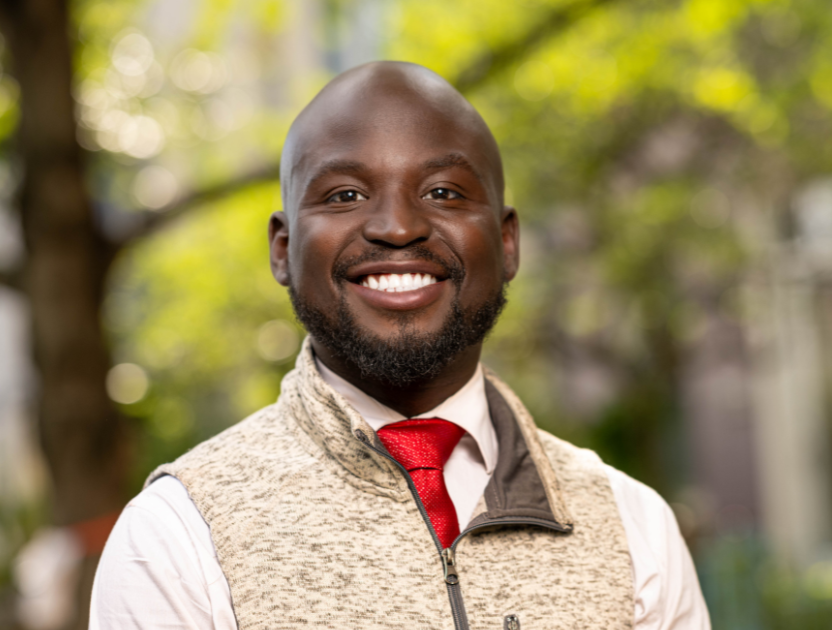
Oye Owolewa is D.C.’s shadow representative in the U.S. House of Representatives.
Owolewa said preservation would guide his approach to affordable housing. As an ANC Commissioner in Ward 8, Owolewa made sure older adults could stay in their building using TOPA. Owolewa said he would dedicate significant amounts of money from the Housing Production Trust Fund for preservation, tenant purchases, and nonprofit acquisitions, and that he would restore emergency rental assistance. Owolewa called the presence of thousands of unused units in D.C. a “policy failure” during a May 23 candidate forum.
Owolewa said D.C. does not have enough shelter beds. He said he would “push for population-specific shelter capacity that serves the full range of people with dignity.” Beyond this, Owolewa wrote that housing first programs are the only effective approaches, and that he would “fight to fully fund permanent supportive housing,” including through a millionaire’s tax.
Owolewa opposes no-tent zones and encampment closures that result in a loss of property, destruction of documents, and loss of relationship with outreach workers. He said criminalizing homelessness pushes people further away from resources. He would require “genuine housing options” before encampment closures and supports “fully funded outreach teams, day centers, safe storage, continuity of care, and keeping pets with their owners.” At the forum, Owolewa also said Rapid Rehousing is important for addressing chronic homelessness. Owolewa said he’d worked with communities dealing with violence and evictions, and that he believed “the person in front of me was the expert on their own life” who should have a say in policy.
Read Oye Owolewa’s full responses.
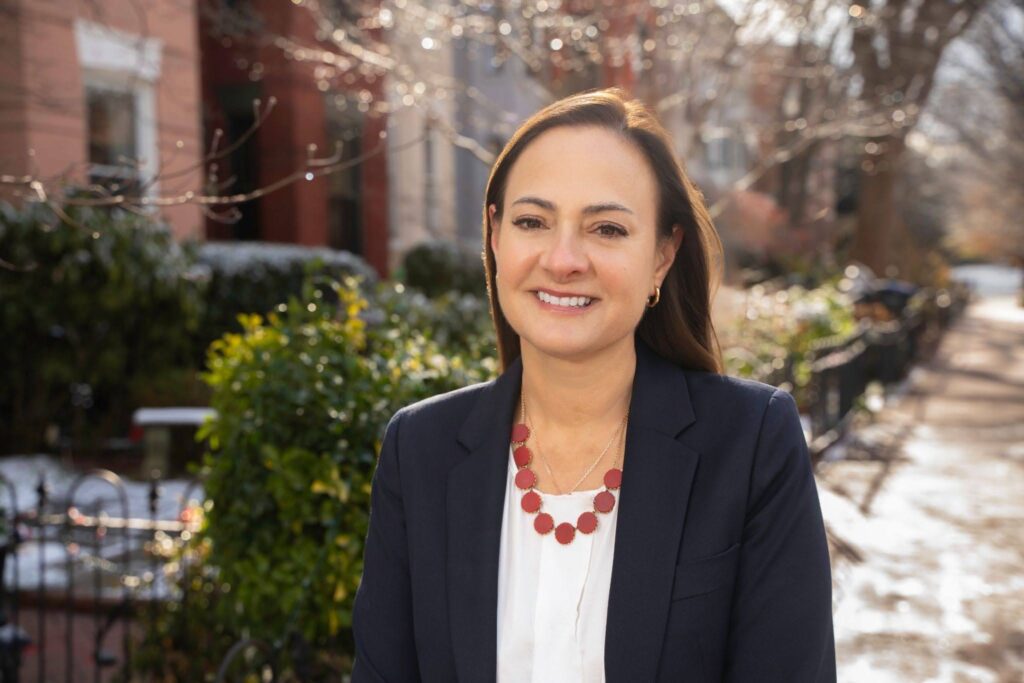
Lisa Raymond has served on the D.C. Board of Education and worked for the council and the attorney general. Raymond wrote that the solution to housing unaffordability is to “build much more housing of all types, and directly subsidize the residents whose incomes will never meet market rents.” Raymond said she would advocate for restoring the Local Rent Supplement Program, fully using the Housing Production Trust Fund, and protecting housing vouchers. “I will also press the Council and the Mayor to actually deliver on the 2050 commitment of 15 percent affordable housing in every planning area,” she wrote.
Raymond said the District does not have enough shelter beds. She supports “expanding capacity in the directions where the evidence is strongest,” such as non-congregate shelters and beds for youth and the LGBTQ+ community.
While she says encampments are not safe or healthy for residents, Raymond said the District cannot solve homelessness by clearing encampments without real plans for housing. Outreach workers should offer shelter and storage, and the District should focus on creating affordable and supportive housing. “I support a balanced approach: the District should continue addressing encampments, but it must do so safely, respectfully, and with a focus on helping people move indoors permanently,” she wrote.
Raymond does not support the mayor’s budget, which does not fund any new permanent supportive housing vouchers. She would “fight to make permanent supportive housing, the Local Rent Supplement Program, and ERAP baseline commitments rather than line items that get cut first when the budget tightens.”
Raymond currently works at Covenant House Greater Washington, where she says she works with youth experiencing homelessness every day. They have shaped her platform on housing and homelessness, and she pledged to continue regular listening sessions.
Read Lisa Raymond’s full responses.
Ward 1
Brianne Nadeau has been the Ward 1 councilmember since 2015, but will not be running for a fourth term. Five Democrats are vying for the party nomination for this seat, and the winner of the primary will run against Republican Jett Jasper and Green Party’s Jude Crannitch.
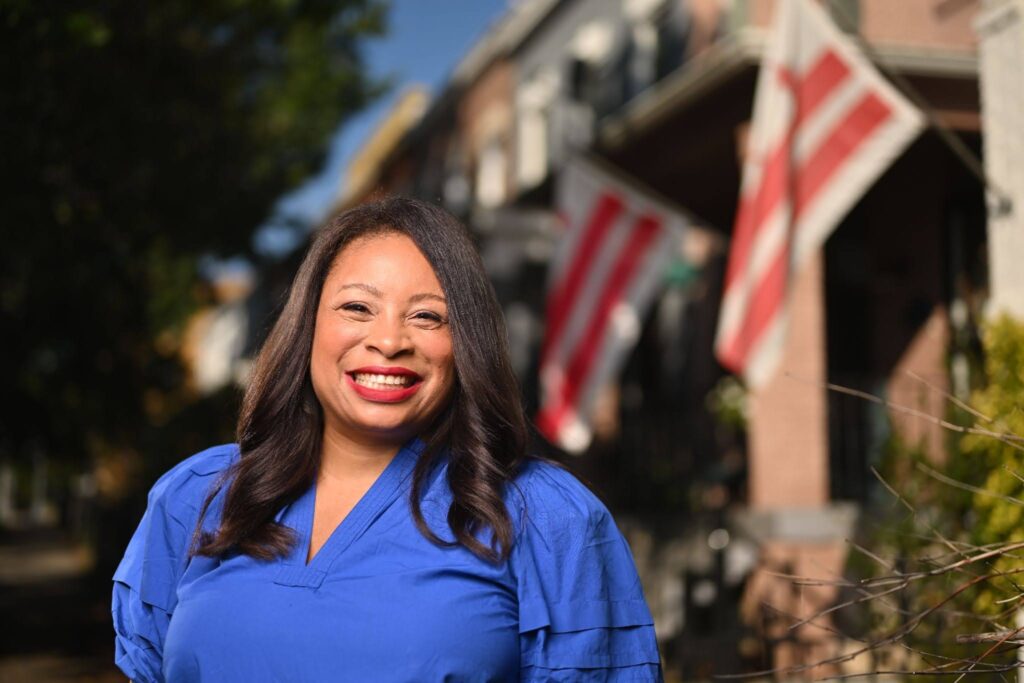
Rashida Brown, endorsed by Nadeau, is a social worker and advisory neighborhood commissioner.
Brown supports equitably distributing affordable housing throughout the District. She said she would support programs such as rental assistance and TOPA, and reforms that make it easier to build housing. As a community member, Brown said she led the fight for the Park Morton and Bruce Monroe apartments, with 60% of new units being affordable. At the May 23 forum, Brown said she is on the Home Purchase Assistance Program and is a “fan of anti-displacement tools” like it.
Brown said there are not enough shelter beds in D.C, especially low-barrier options. “As a social worker who has spent my career working for families, I’m particularly interested in ensuring we have enough shelter and housing for LGBTQ+ youth.”
Brown said she opposes current encampment clearings and called the practice “cruel.” Instead, she focused on the causes of homelessness; she proposed fixing the voucher-to-housing pipeline, funding bridge housing and housing-first programs, employing people with lived experience of homelessness, and strengthening the Interagency Council on Homelessness.
Brown, who has been part of the strategic planning process around ending homelessness, said she supports funding new vouchers. “We have to raise revenue by taxing our wealthiest residents in order to pay for the housing and services our residents need,” she wrote.
As a social worker, Brown has met with families in poverty and near homelessness. “The work I would do as a Councilmember is deeply informed by the families I’ve served and the people I’ve helped throughout my career,” she wrote.
Read Rashida Brown’s full responses.
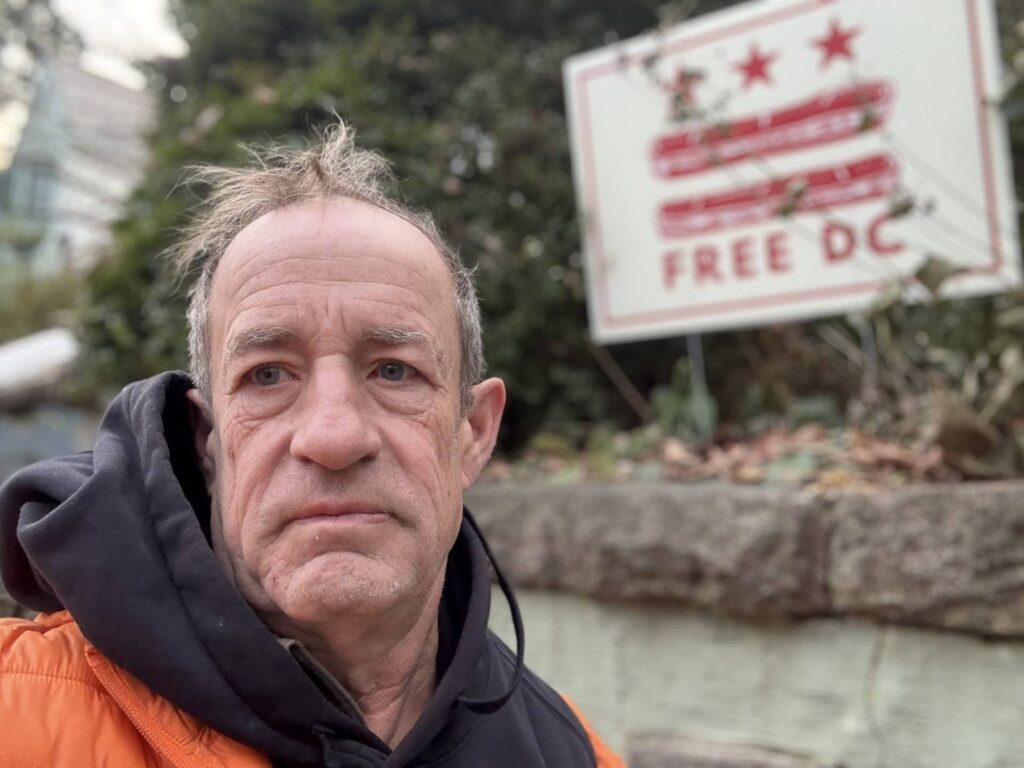
Terry Lynch has worked in nonprofits and is the co-founder of the Washington Area Community Investment Fund.
D.C. needs more housing, wrote Lynch. “I have committed to bringing 5,000 new units of housing to Ward 1 with at least 25 per cent affordable,” he wrote. He would introduce a “use it or lose it bill,” requiring the city to purchase long-vacant buildings, return them to affordable housing, and sell them.
Lynch would prioritize housing and shelter for LGBTQ+ youth, women, older adults, and people with mental illness.
“I support encampment enclosures as I believe encampments put those residing there at high risk – health risks, violence risks,” Lynch wrote. He said there needs to be shelter available for residents cleared, and that social workers should assist those who lose their homes in clearings.
In the face of budget cuts, Lynch was skeptical: “I am not certain resources are limited,” he wrote. Lynch proposed higher taxes on the top one percent of households in D.C. Only “when all possible revenue sources are investigated and implemented” can the city cut the budget, he wrote.
Lynch has a history of working with unhoused populations, and in 1983, he founded Calvary Shelter for Homeless Women, now Calvary Women’s Services.
“The homeless taught me from the get go – they wanted to be self reliant and not get hand outs to succeed. I have incorporated that yes we can yes we will overcome attitude,” he wrote.
Read Terry Lynch’s full responses.
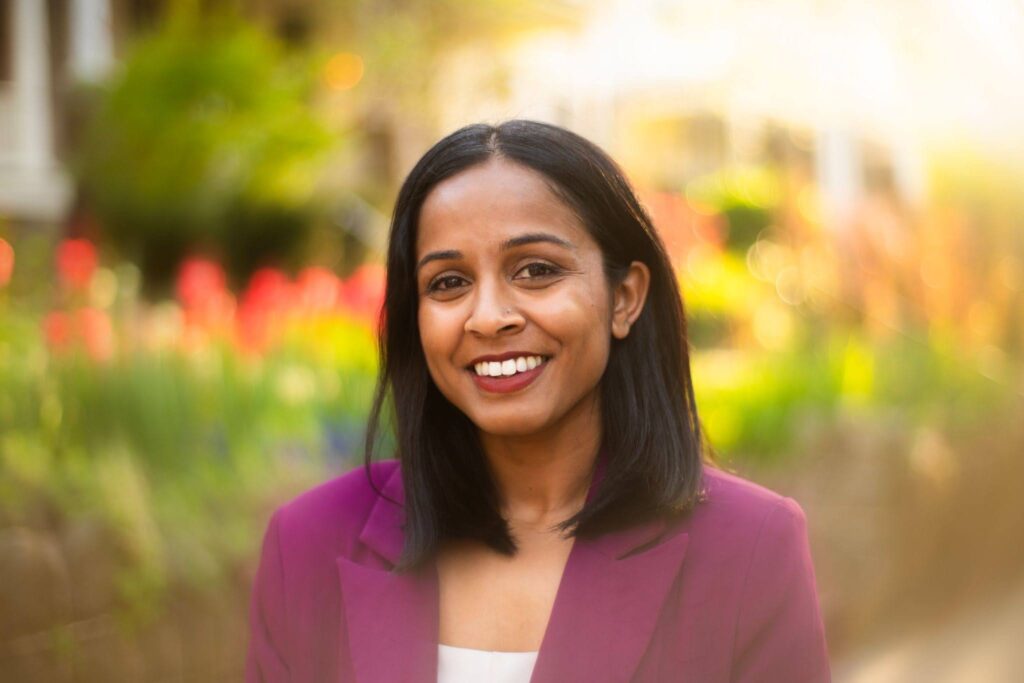
Aparna Raj is a community organizer.
Raj said she would fight to expand rent stabilization to all multifamily buildings, strengthen oversight of the Housing Production Trust Fund, restore and strengthen TOPA, and fund housing vouchers, bridge housing, and the Emergency Rental Assistance Program. “I will also reintroduce a Green New Deal for Social Housing, so that in the long term we can use public land to build mixed-income, publicly owned, tenant-controlled housing that meets both people’s means and their needs,” she wrote.
She said Ward 1 does not have enough shelter beds, especially for LGBTQ+ youth and young families, and that more shelter is needed so “residents are not left cycling between the streets, shelters, and unstable housing situations.”
Raj opposes routine encampment clearings “because to properly address encampments, DC must invest in the housing, services, and support systems people need to transition into stable housing – not simply displace people from one block to another,” she said. She said she would advocate for a housing first approach and that the District should offer encampment residents case management, transportation, housing aid, and medical care. In the face of a tight budget, Raj said she would push the council to raise taxes on the ultrawealthy and corporations while fighting for housing vouchers, bridge housing, and emergency rental assistance.
Raj said she would “govern as an organizer,” involving all residents in policy-making. “My housing policy has been shaped directly by organizing alongside tenants and residents across DC, including people who have experienced homelessness, housing insecurity, displacement, and unsafe living conditions,” she wrote.
Read Aparna Raj’s full responses.
Jackie Reyes Yanes has worked in D.C. government for two decades. According to her campaign website, Reyes Yanes has experienced homelessness and has helped tenants navigate rental assistance programs to prevent eviction. She supports expanding the Home Purchase Assistance Program, strengthening rent control, and creating an “Anti Displacement Task Force” for affordable housing. She did not respond to Street Sense’s questions.
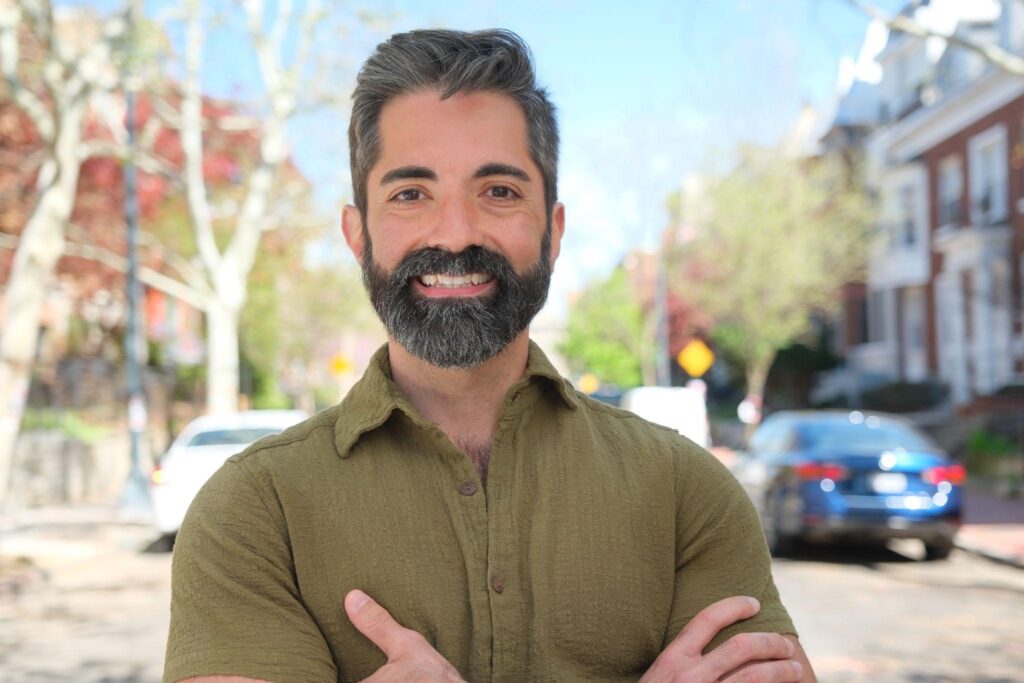
Miguel Trindade Deramo is an advisory neighborhood commissioner and local organizer.
Deramo said his campaign is built around housing. He supports subsidized affordable housing and the Housing Production Omnibus Act, and using the District Opportunity to Purchase Act. He said the District must also expand efforts to create publicly-funded mixed-income, or social, housing.
There is an “unmet need” for shelters in Ward 1, Deramo wrote. He supports expanding D.C.’s capacity to offer low-barrier, emergency shelter options as well as non-congregate shelters and permanent supportive housing. He supports creating a new facility in Ward 1 to support women experiencing homelessness and creating shelters for LGBTQ+ youth.
Criminalizing homelessness and conducting encampment clearings do not properly address homelessness, wrote Deramo; “they only serve to disrupt service delivery, stigmatize residents facing homelessness (who often lose their belongings during clearings), and pointlessly chase them from one jurisdiction to another.” Deramo said he would require the city to provide data to the council on their outreach efforts and housing offered to residents before closures.
Deramo said housing vouchers are essential, and his priority would be to grow D.C.’s tax base to avoid cutting programs. “I support Councilmember Parker’s proposal to create a tiered surcharge on realized capital gains, to increase taxes on realized capital gains primarily on the top 1 percent of DC taxpayers,” Deramo wrote.
He has worked with people experiencing homelessness through his role as an ANC, which he said has shown him the bureaucracy that can get in the way of housing.
Read Miguel Trindade Deramo’s full responses.
The seats for council chair and wards 3, 5, and 6 will also have Democratic primaries. Council Chair Phil Mendelson and Ward 3 Councilmember Matt Frumin are running for their party’s nomination unopposed, though Patricia Stamper is mounting a write-in campaign against Mendelson.
Wards 5 and 6 have incumbents, Zachary Parker and Charles Allen, respectively, vying for party nomination against challengers Bernita Carmichael and Bridget French in Ward 5, and Gloria Ann Nauden and Michael Murphy in Ward 6. No candidates in either race responded to Street Sense’s questions.