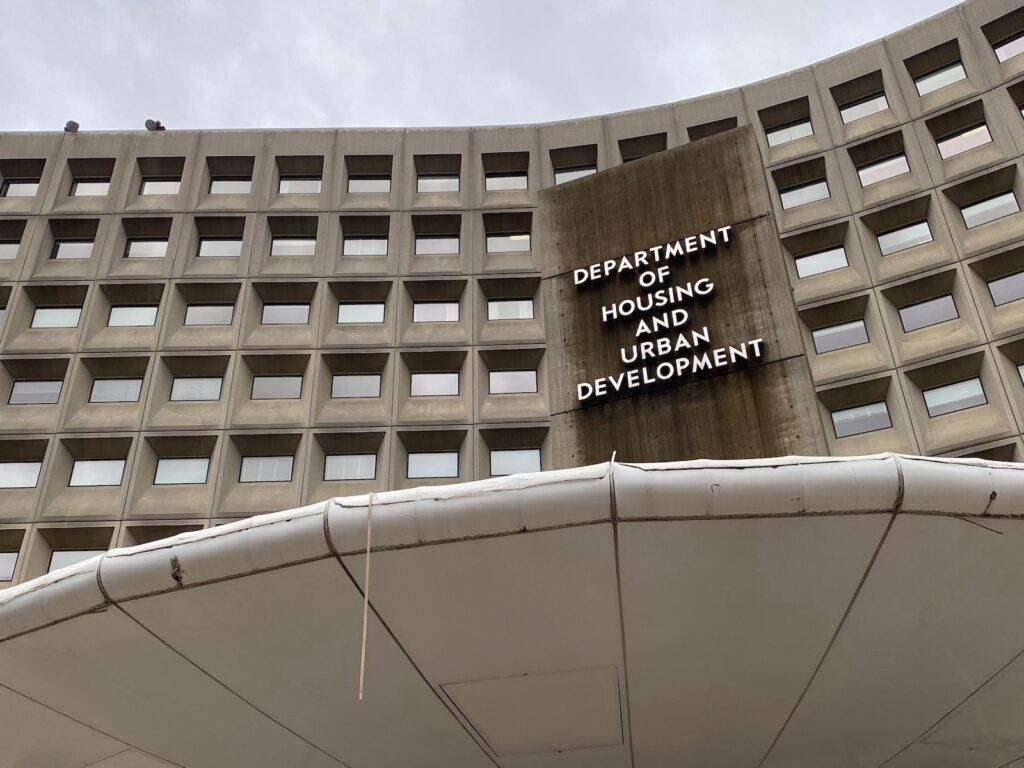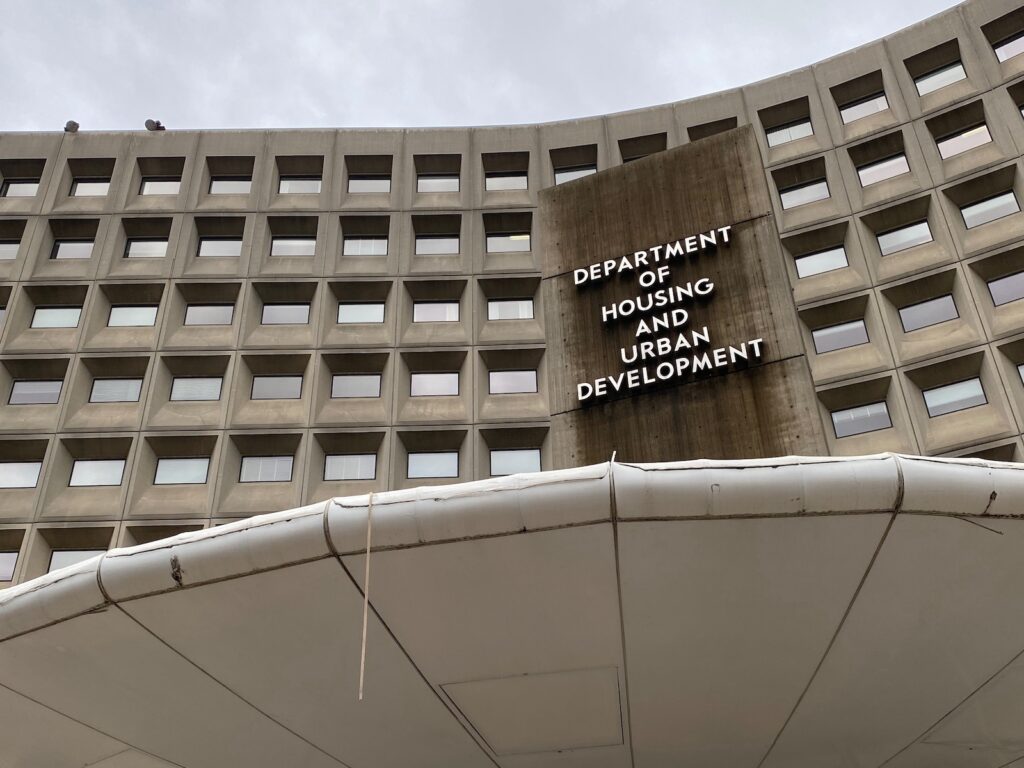
On April 1, a federal appeals court upheld an injunction preventing the U.S. Department of Housing and Urban Development (HUD) from implementing its proposed funding plan for supportive housing and homelessness programs. The plan, released by the agency under the Trump administration, would have reallocated up to $3.9 billion in funding for major homeless services programs and left at least 170,000 people at risk of losing housing, according to homeless services advocates.
In November 2025, HUD rescinded its initial funding plan for fiscal year 2025 and announced a new plan which included sweeping changes to its grant opportunity for supportive housing programs. The new guidelines would have redirected some funding from permanent supportive housing toward temporary housing and treatment programs, impacting hundreds of thousands of people who rely on these programs across the country.
The National Alliance to End Homelessness (NAEH) estimated this new funding plan would cause D.C. programs to lose up to $22 million in federal funding, potentially forcing nearly 1,500 people out of permanent housing in the District.
The new funding plan is just one example of the Trump administration’s efforts to dismantle Housing First programs, which focus on providing housing to recipients without prerequisites like being sober. Most experts say the historically bipartisan programs are the most effective way to end homelessness.
In late November and early December, a coalition of state attorneys general and a group of nonprofits, including the NAEH, filed two lawsuits against HUD, arguing the new conditions were unlawful. In a preliminary decision late last year, a federal judge temporarily blocked the changes while considering the case.
In March, the Department of Justice appealed the preliminary injunction on behalf of HUD. The appeal “underscores HUD’s commitment to reform the misguided ‘Housing First’ approach that funded the self-serving homeless industrial complex, rewarded activists, and ignored solutions,” according to a HUD statement. Last week’s ruling denied that appeal.
“The record paints a disturbing picture of the harms that would flow to the plaintiffs, their constituents, and the public from issuing a stay,” the decision reads. “Conversely, HUD does not face irreparable harm from injunctions ‘bar[ring] enforcement of an unlawful [Notice of Funding Opportunity].’”
The new decision means the block on HUD’s proposed overhaul will remain, and the agency will have to return to its initial pre-November funding plan until a final decision on the case is made. The federal budget, signed Feb. 3, included language ensuring these permanent supportive housing grants, under the original funding plan, are awarded as quickly as possible. The budget requires HUD to renew all grants expiring in the first three months of 2026 for a 12-month period.
On March 31, HUD announced nearly $350 million in renewal funding for over 600 projects across the country that had expired over the last three months. This includes $15 million in awards to 15 projects in D.C.
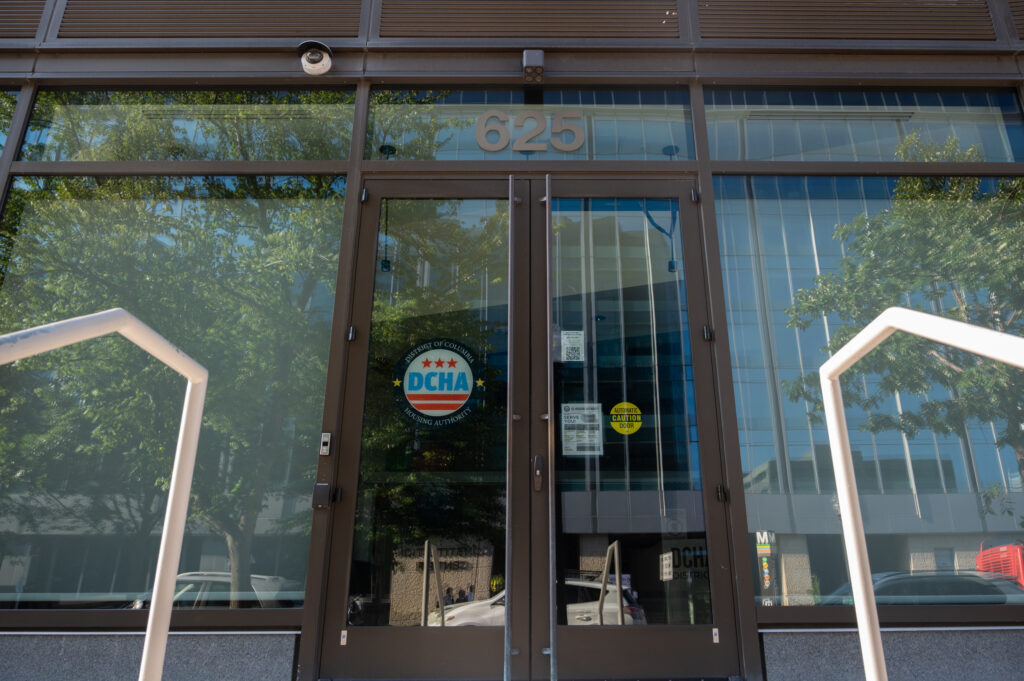
HUD awarded The Community Partnership, which runs the city’s continuum of care and helps oversee many HUD-funded programs, nearly $600,000. Tom Fredericksen, chief of policy and programs, said the organization expects delays in funding every year, and is always prepared with gap funding. “But we are getting the award announcement later than usual,” he said. “I don’t know in this case how long it will be until HUD is able to start to execute grants.”
This decision came just a day after the U.S. District Court in Rhode Island’s Judge Mary McElroy ruled against HUD’s efforts to require programs and jurisdictions it funds to adhere to the Trump administration’s views on immigrants and transgender rights. This plan, which HUD tried to implement for a smaller, related homelessness funding program, included blocks to programs which offered harm reduction services and were inclusive to transgender people, but this ruling prevents these changes. McElroy is the same judge who initially issued the injunction in the permanent housing funding case.
According to the NAEH, the organization still awaits the court’s final decision on the permanent housing case. “As the Trump-Vance administration continues to weaponize federal funding and attempts to hold hostage support for people experiencing homelessness — including families, seniors, veterans, and people with disabilities — we are relieved that the appeals court has left the order we earned late last year in place,” NAEH said in a statement.
This article originally appeared in Street Sense’s April 8, 2026 edition.