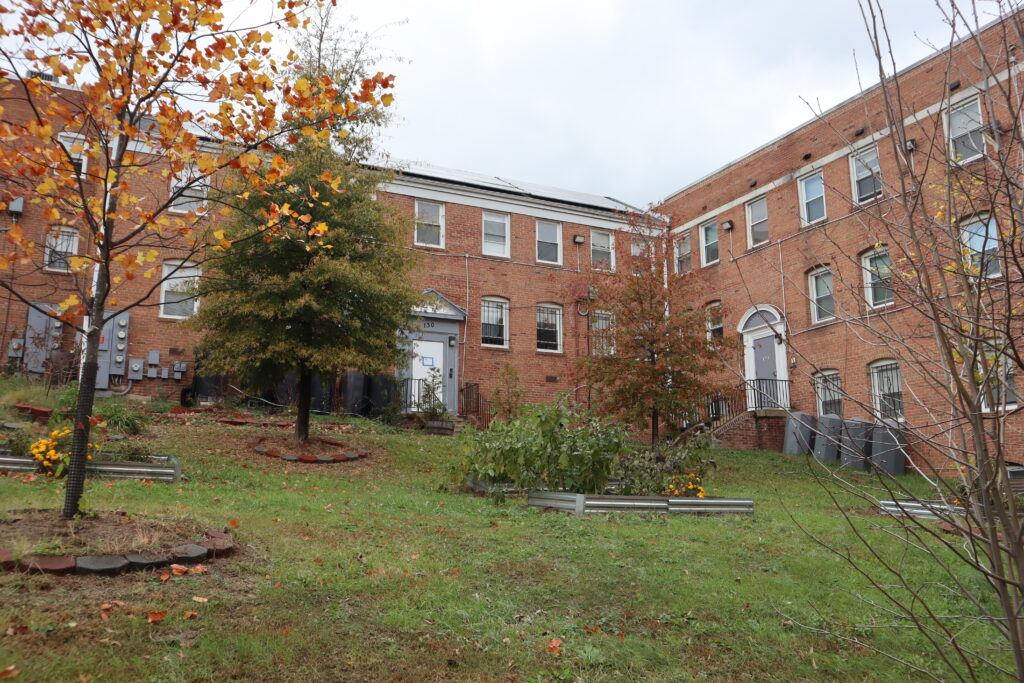
Nestled between residential homes in D.C.’s Ward 8 lies a sanctuary for homeless LGBTQ+ youth.
The Wanda Alston Foundation — founded in 2008 to honor queer rights activist Wanda Alston, who was the driving force behind the creation of the Mayor’s Office of LGBTQ+ Affairs — was the first organization to launch a transitional housing program specifically for queer and transgender youth in D.C. Today, as homelessness among young, queer people continues to rise in the District, the foundation hopes to expand its shelter space and programming to aid in the growing need.
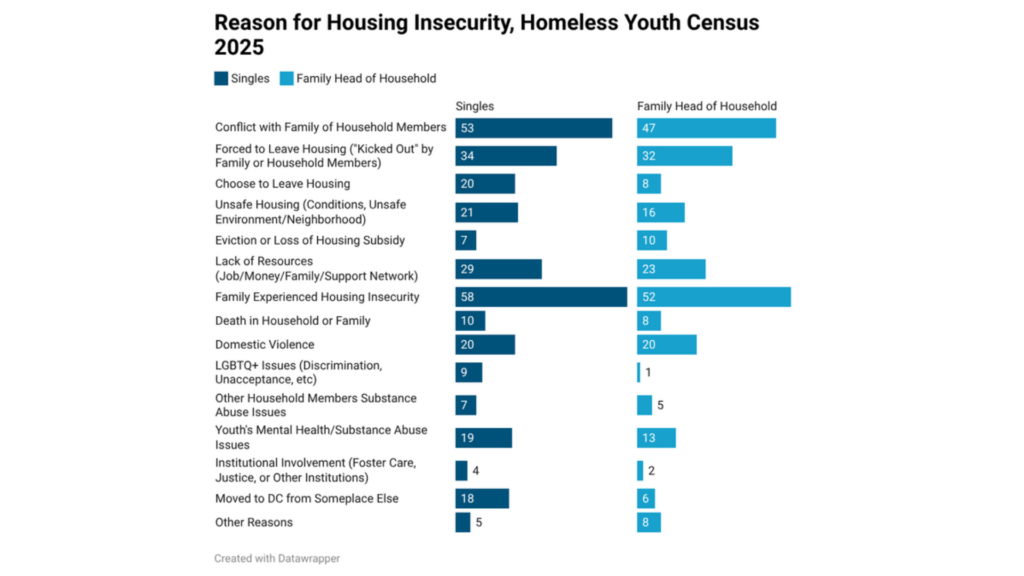
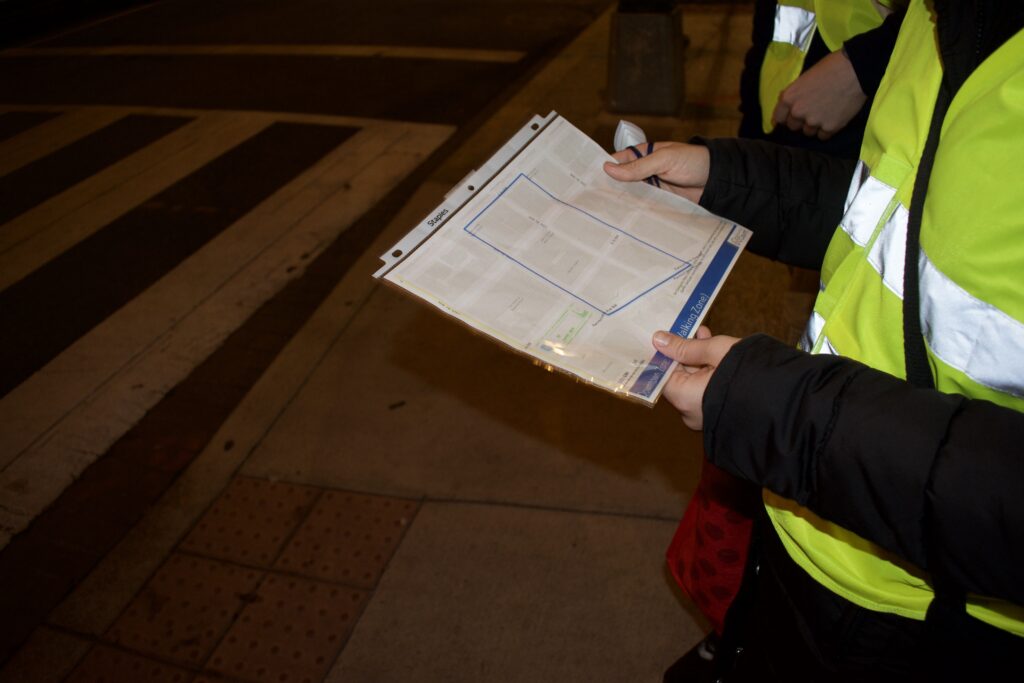
The 2025 Point-in-Time (PIT) Count revealed 37% of homeless youth aged 18 to 24, or 149 individuals, self-identified as LGBTQ+, a 9% increase from 2024. While the needs of unhoused LGBTQ+ youth are rising, some federal money that could help end their homelessness is at risk under a new U.S. Department of Housing and Urban Development criterion called the “Affirming Fairness and Reality” clause, which denies funds to organizations that recognize transgender, intersex, or nonbinary identities in their missions.
For Cesar Toledo, the executive director of the Wanda Alston Foundation, these targeted federal cuts, combined with an overrepresentation of queer and trans youth in the homeless population, emphasize the need for the foundation to scale up and help in any way possible.
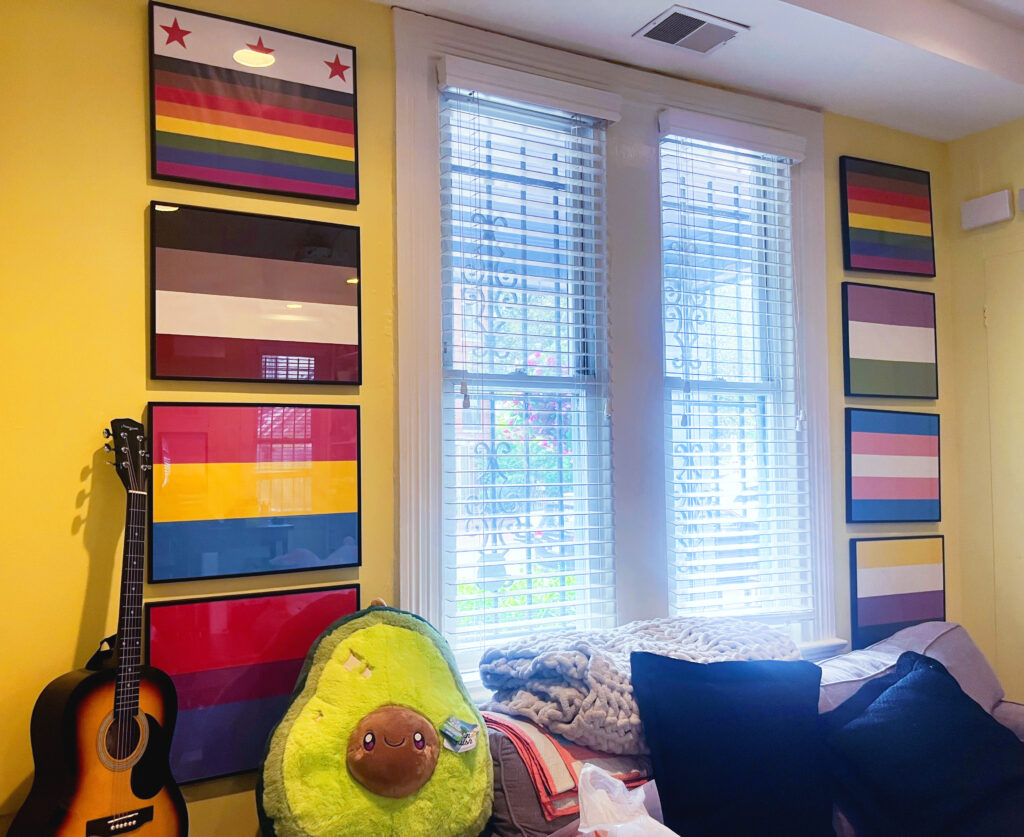
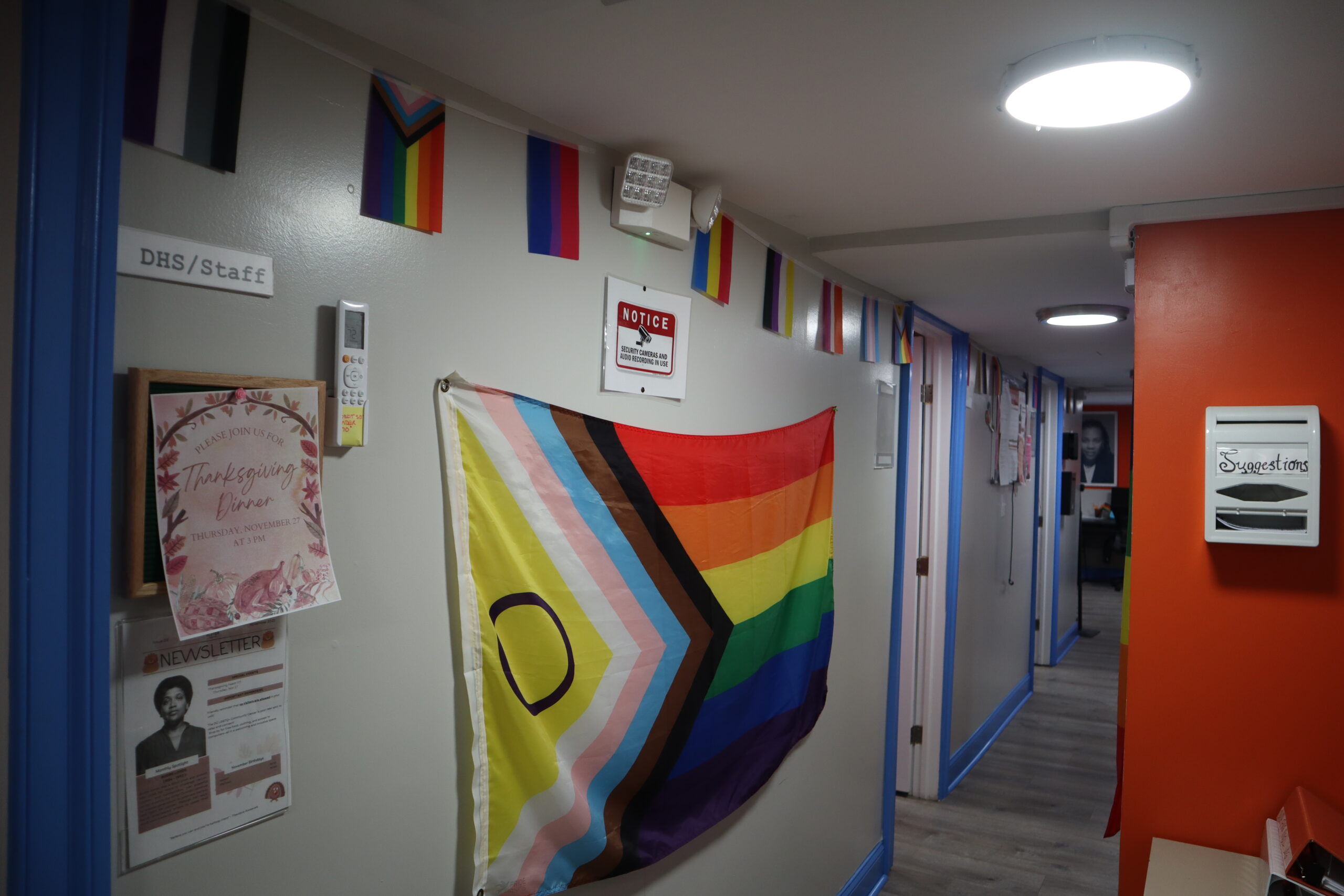
Grants and supports have allowed the foundation to create a micro community in a corner of the District where LGBTQ+ youth experiencing homelessness can receive case management, form community through youth-led clubs and activities, and experience independence in apartment-style housing.
“We have youth from all over the country, one of our clients is from Sierra Leone, one from New York, Florida, California, Atlanta, they come from all of these different places,” Belinda Pearson, the operations manager at Wanda Alston, said. Pearson has worked with the foundation for five years, taking on resident-facing roles like house management and administrative positions overseeing the case management program. “And just to hear the stories of their upcoming and upbringing of how they got to this place of being homeless, and we’re not here to judge them.”
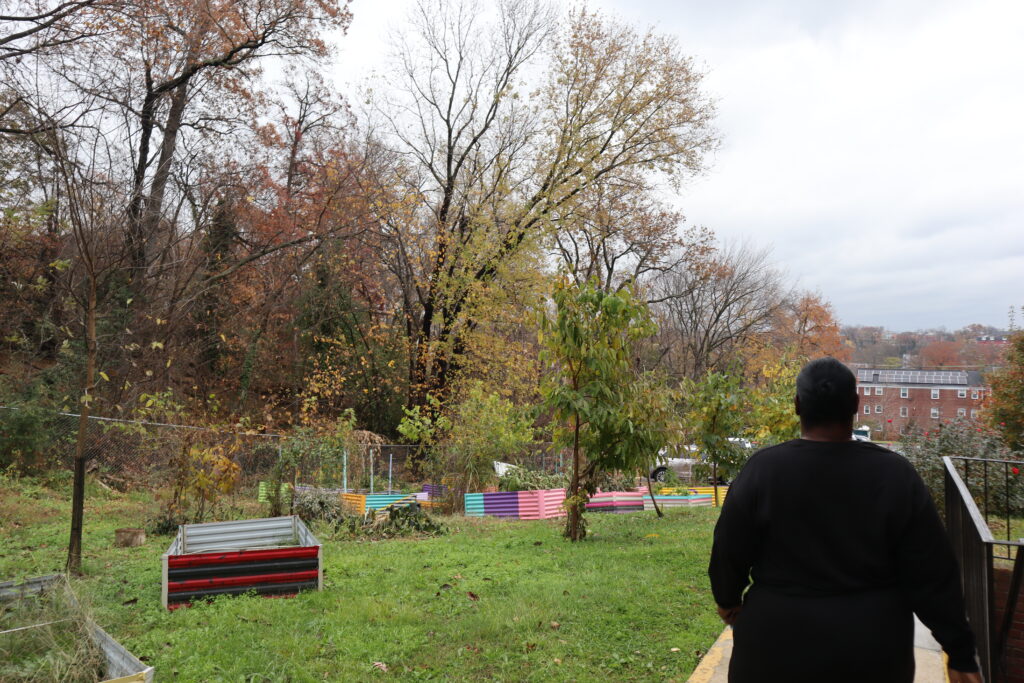
The foundation’s mission to bring joy to the lives of at-risk queer youth is reflected in its facilities. Brightly painted garden boxes full of fresh vegetables lie outside two brick apartment buildings, which house a total of 20 residents aged 18 to 24. When residents come into the program, they have the option of a 24-month or 36-month stay. From day one, residents work with case managers to identify the best routes to transition into permanent housing.
The foundation formerly offered housing in two separate single-family homes in Ward 7 and Ward 4, before consolidating into two dormitory-style buildings in Ward 8 last year. Since moving to the new location, the 10 apartments have always remained at capacity, according to Toledo.
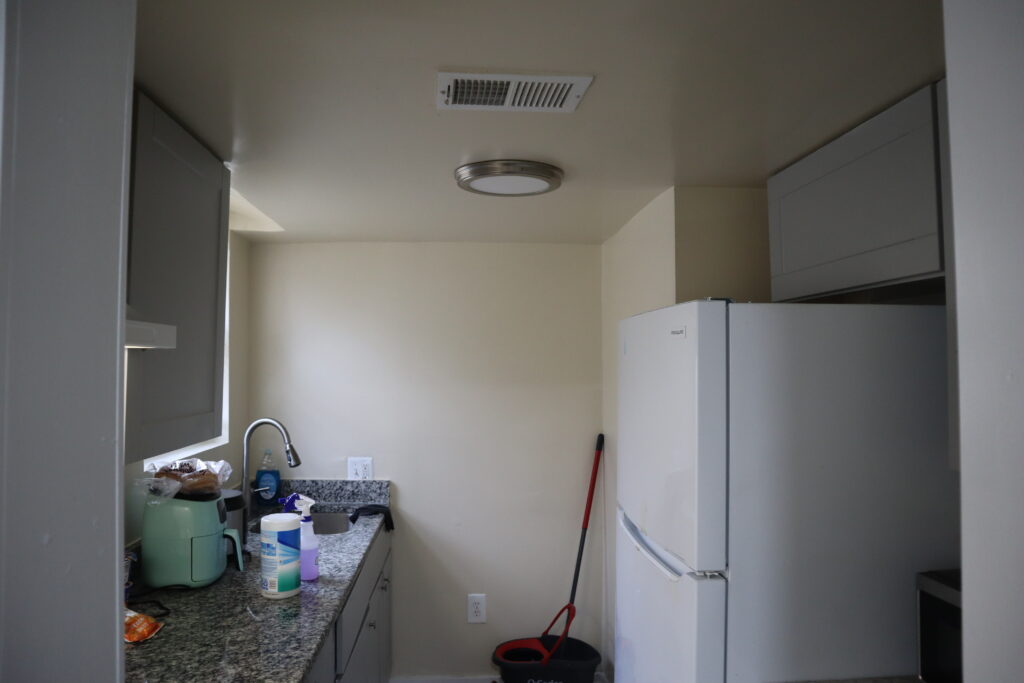
The units have a bathroom, two bedrooms, and a kitchen for two residents. Most recently, the foundation received a microgrant from Nest D.C., a property management organization, to refurnish and spruce up their apartments. The grant funded new dressers, dining tables, and seating for all of the units.
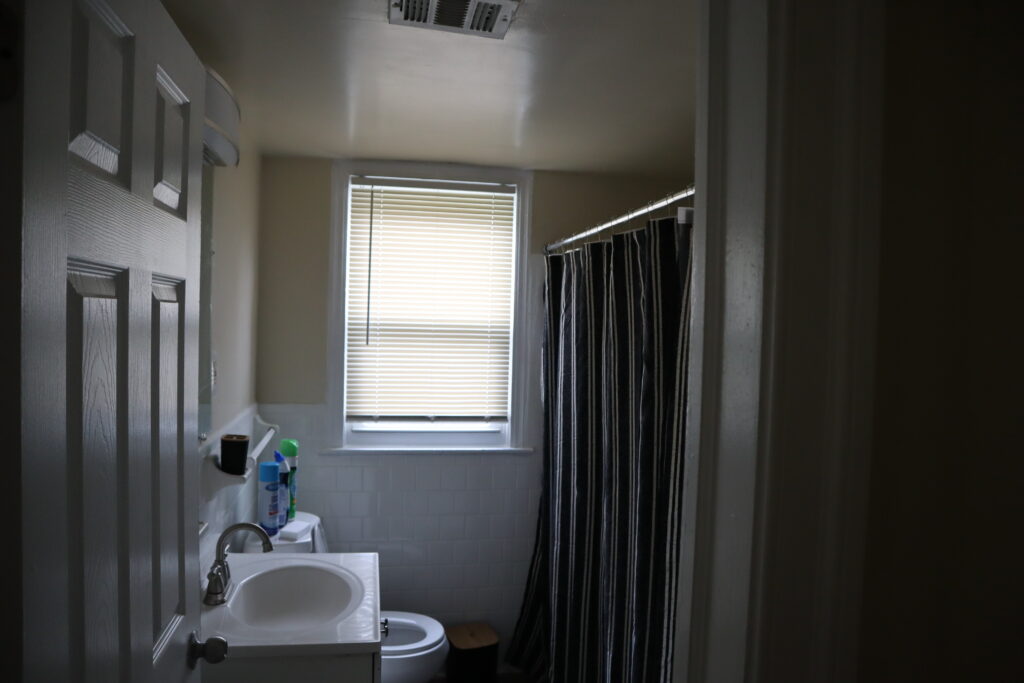
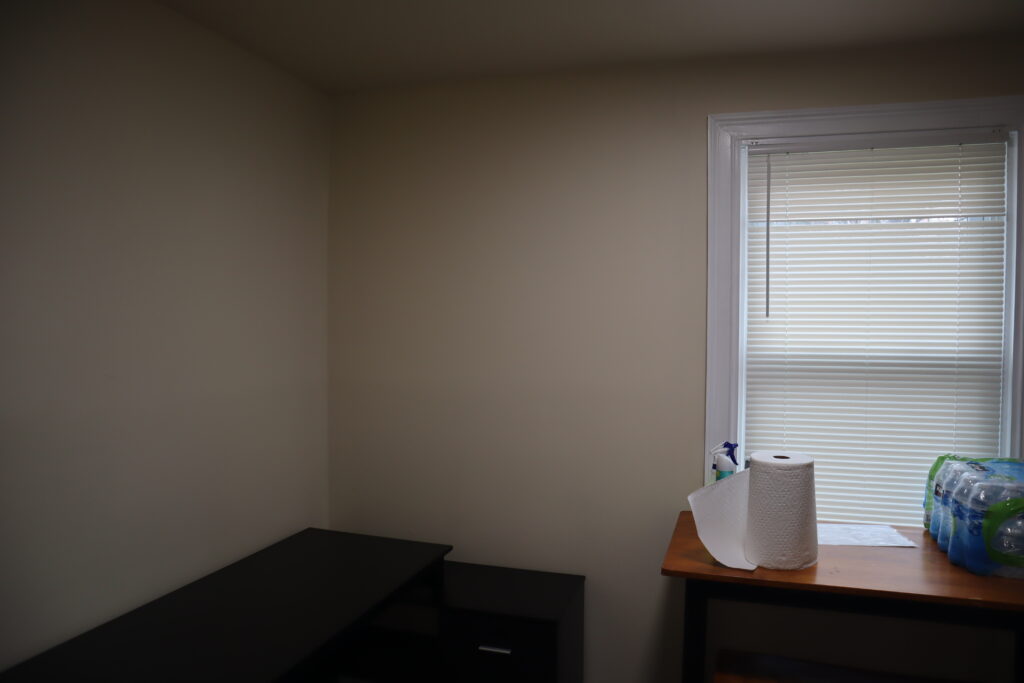
While the Wanda Alston Foundation has partnered with city agencies like the Department of Human Services, Toledo said they have never fully relied on government funding. Instead, they count on dollars from nonprofit organizations like the D.C. Front Runners, Stonewall Kickball, and Rogue League Sports — queer-led sporting groups in D.C.
During Pride Month this past June, the foundation collaborated with the D.C. Front Runners and raised $17,500 to buy appliances like air fryers and rice cookers for their units. Through what was dubbed the ‘Slay and Sauté’ campaign, Toledo worked with his team to host cooking workshops to teach residents how to use the new materials, allowing residents to feel comfortable cooking in their temporary homes.
The team behind Wanda Alston is small. The 15-person staff is made up of house managers who work directly with residents, case managers, and an operations team.
Toledo said it is key that the foundation’s leadership reflects the demographic of residents who make up their shelter community. Shared experiences and cultural competency are at the forefront of their mission, according to Toledo, ensuring residents feel comfortable opening up so they can receive the help they need and ultimately transition out of the program.
“To break the traditional case management model that is behind four walls, we really got to take a step back,” Toledo said. “These are young people, so that means sometimes organizing field trips to the Go-Go Museum, to the African American Museum. We’ve got to do things differently, because our youth need us now more than ever.”
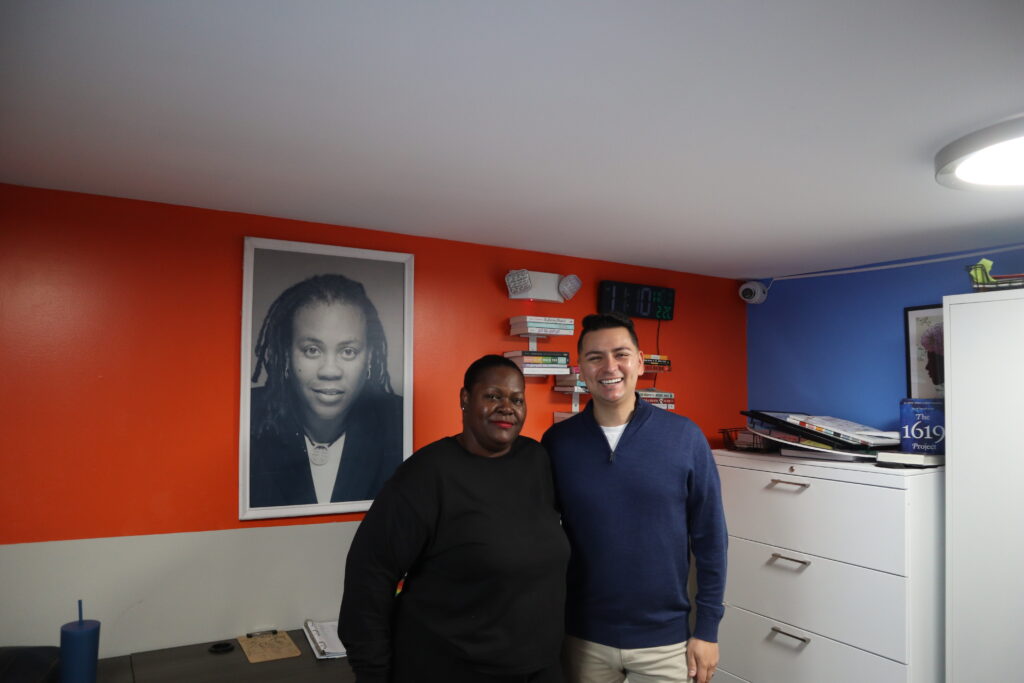
It’s vital for the team to work closely to assess the individual needs of each resident, Pearson said. Each client is vastly different from the next, so listening to their stories and determining whether they need to extend their stay to ensure the best transition process is a major part of her collaboration with the case management team.
According to Pearson, the Mayor’s Office of LGBTQ Affairs — founded by Wanda Alston in 2004 — recently provided the organization with three Section 8 vouchers for their residents, allowing them to move into their own subsidized apartments.
“Three of those clients are in the process of moving out, one [of those clients] we just moved out last month,” Pearson said. “So we just look for opportunities that’s available, whether it be another transitional program on the adult side, because leaving here, you’re going straight to the adult side.”
Even as they successfully help residents toward permanent housing solutions, leaders at the foundation recognize there is a long way to go in the mission of solving youth homelessness. The shortcomings of city-funded youth spaces and programs emphasize the importance of continued activism for specialized youth and LGBTQ homeless services, they said.
In October, Toledo testified to the D.C. Council about overcrowding and dangerous conditions at a Department of Youth Rehabilitation Services facility, a detention center for youth involved in the criminal justice system. In his testimony, he said one in four of the foundation’s residents has a background in the criminal justice system, and face additional barriers in accessing housing across the city.
In the next few years, Toledo’s goal is to lower those barriers by doubling the foundation’s bed capacity, enabling it to house 40 residents.
“That’s going to be a multi-year goal, but I’m really excited that that’s where we’re going to be going, because we need to provide this transitional housing program, because it’s effective,” Toledo said. “It’s proven our young people need us, especially those who are involved in some form of the criminal justice system.”
The leaders at the foundation say the most rewarding aspect of working with LGBTQ+ youth is seeing them accomplish milestones like securing jobs and completing GED programs, both while they’re in the program and once they end their stay.
“I see a lot of joy, within the stories and the conversations I have, just how hyper-connected they are and self-aware of not just what’s going on in this world, but of course, the political climate,” Toledo said. “There is that, that angst, but I still see that hope in their yes and their interest in wanting to be involved and to continue on their life journey.”
This article originally appeared in Street Sense’s Dec. 17, 2025 edition.