Though D.C. is known for its large LGBTQ+ population, recent surveys highlight how many queer youth and young adults in the District struggle with housing insecurity. Housing advocates are urging the city to do better as proposed federal rule changes threaten existing efforts.
Both young queer people who move to the District to find community and long-time queer residents are being priced out and left without housing. Out and Counted, a June survey conducted by The Wanda Alston Foundation and Loyola Marymount University of over 300 queer people in D.C. aged 18-30, found 1 in 4 LGBTQ+ young adults experienced housing instability — not having housing, frequently moving, or couch surfing — in their lifetime. An earlier, 2025 Youth Count of 846 young people from The Community Partnership revealed nearly 2 in 3 of unhoused youth in D.C. are LGBTQ+.
Housing advocates say not all shelters across the District have the resources to serve queer people, and those who find temporary housing can face unique challenges that make them more vulnerable to discrimination and the path to a permanent living situation especially difficult.
Cesar Toledo is the executive director for the Wanda Alston Foundation, the first organization to launch a transitional housing program specifically for queer and transgender youth in D.C. He said while housing insecurity is a “national crisis,” it is a particular issue in D.C. due to the city’s reputation as a “queer haven.”
D.C.’s large LGBTQ+ population can be traced back to the civil rights movement, when organizations like the Mattachine Society of Washington and the Gay Liberation Front were born and decided to centralize themselves in the capital. Today, D.C. has had the largest concentration of queer people per capita in the country, according to a 2024 report.
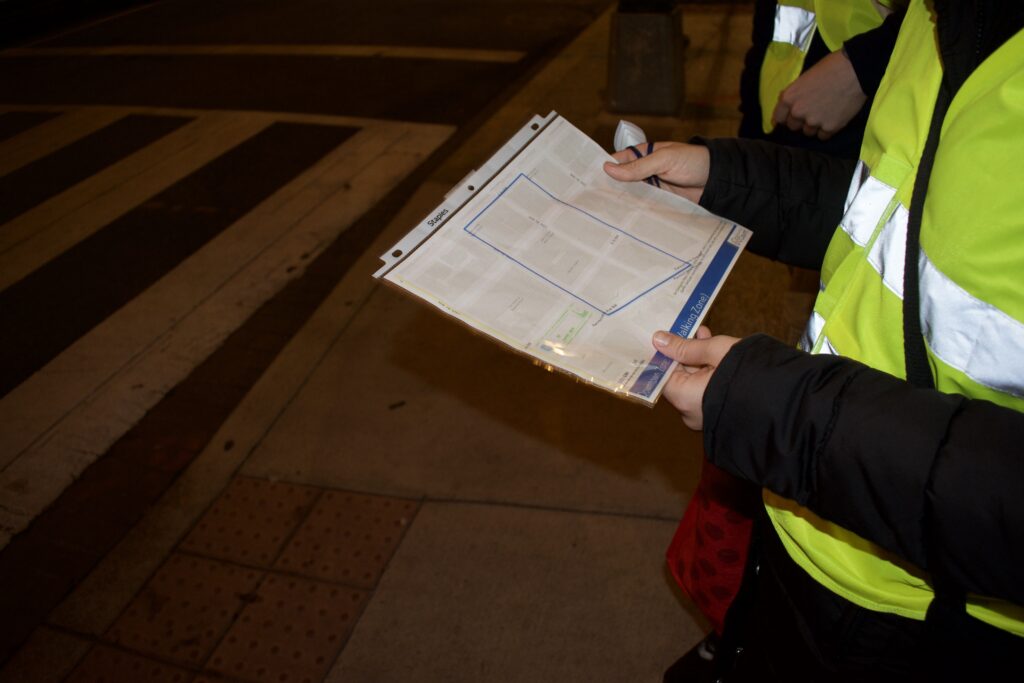
Andres Meza works with many young queer people as a bilingual street outreach specialist for SMYAL, a DC-based LGBTQ+ housing provider. He said queer youth face a mix of challenges that make them more vulnerable to being unhoused, like not having the support to evade homelessness.
“I think a lot of times queer people don’t have the safety net or the community that other communities may have, because once you experience homelessness, no matter what group you’re a part of, you’re alienated from them,” Meza said. “So to be a queer person already alienated from the world, and then to experience homelessness — now you’re alienated in general.”
Hancie Stokes, SMYAL’s director of communications, said familial rejection was one of the main drivers of housing insecurity in queer youth, as well as generational poverty. SMYAL’s director of youth housing, Liz Jaramillo, wrote via email LGBTQ+ youth face discrimination in school and employment, as well as barriers to access mental health and community support that make it more difficult for them to thrive, putting them at risk for homelessness.
LGBTQ+ specific housing programs in D.C., like SMYAL and Wanda Alston, do not have the resources to accommodate every unhoused queer youth, according to Stokes, making it important for general housing programs to be inclusive.
The 2025 survey revealed 29% of single youth stayed at adult shelters, and about 30% of those individuals did not know there were youth-specific shelters. Many queer youth report feeling harassed and unsafe in general housing programs, whether due to social discrimination or being forced to conform to gendered separations present in the majority of D.C. shelters.
Meza said it can be dangerous for queer youth when housing programs don’t hire people within the community to facilitate accommodations or prevent discrimination. He argued programs should hire people across identities within the LGBTQ+ community to create inclusive spaces for everyone.
Housing providers worry proposed changes at the federal level could have a lasting impact on housing programs for queer youth across America. Housing programs funded by the U.S. Department of Housing and Urban Development (HUD) could become less inclusive with a proposed revision to HUD’s Equal Access regulations. This rule would require HUD-funded facilities to ask questions about people’s gender identities and assign them accommodations based on their biological sex. Stokes said this can put transgender people at particular risk of discrimination.
“Even in places where a housing provider might have an inclusive policy, if this directive goes through, it could undermine that,” Stokes said. “We can do this training right now, but also, if these laws come down, your funding to even have shelter is at risk.”
Public comments on the proposed revision are being considered by HUD, which will then publish a final review to determine how the Equal Access regulations will move forward. LGBTQ+ unhoused youth and young adults in D.C. are particularly vulnerable due to the federal backdrop of the Trump administration.
“We have seen increased anxiety and uncertainty among LGBTQ+ youth regarding their rights, healthcare access, and overall safety,” Jaramillo wrote. “While local protections remain important, national conversations and policy debates can have a real effect on young people’s sense of security and belonging. These concerns often compound existing challenges and can further impact housing stability and well-being.”
The Out and Counted report revealed a poor state of mental health among the District’s young LGBTQ+ community. It stated, “The findings indicate a profound Loneliness Paradox: in the nation’s ‘gayest city,’” over 80% of LGBTQ+ youth feel isolated. This is not merely a social deficit; it is a clinical one.”
Toledo said that even with D.C. being very politically active and queer, there are still plenty of LGBTQ+ youth and young adults who feel alone and isolated. This lack of community and mental strain is a factor that makes queer youth more vulnerable to becoming unhoused.
“We just had an incredible Pride weekend put together by the Capital Pride Alliance, and so when I read through the data, that 80% of our queer young adults reported feeling isolated often or sometimes, it was truly heartbreaking,” Toledo said. “It really speaks to the mental challenges and the harm that isolation can play in someone’s life.”
Toledo said D.C. has given so many queer people a place to call home, and now it is time for the older generations to ensure young LGBTQ+ people “can afford to stay here, thrive, and build families.”
“To advance to ensure that the queer and trans young people that we serve can really reach independence and secure stable housing, it’s going to take a community-wide effort,” Toledo said. “It’s going to take leadership from the next D.C. mayor and the D.C. Council, so it’s going to be challenging and daunting, but I’m so excited to be at the forefront.”
This article originally appeared in Street Sense’s July 1, 2026 edition.