A survey conducted at the end of last year gives new insight into young people experiencing homelessness in the District.
In a May meeting of the D.C. Interagency Council on Homelessness, The Community Partnership for the Prevention of Homelessness (TCP) shared data from the September 2025 Youth Count of unhoused youth in the District.
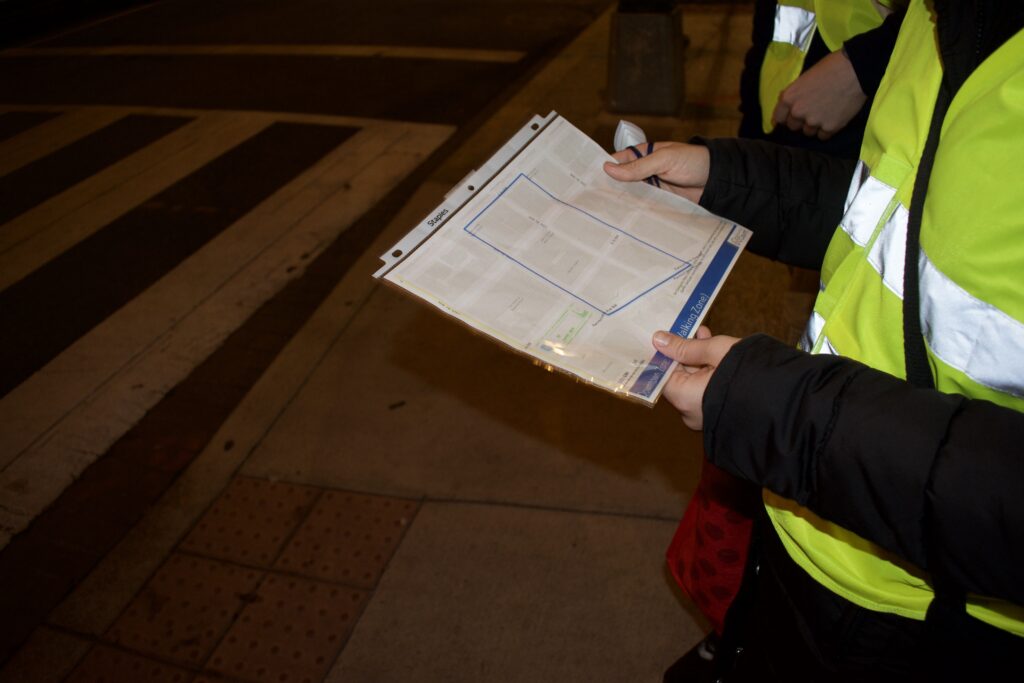
The Homeless Youth Census (HYC), or Youth Count DC, is required by the End Youth Homelessness Act of 2014. A sample of the unhoused youth population participated in a survey during September to collect more nuanced data on youth’s experiences and needs. This census and survey are different from the federally mandated Point-in-Time Count.
The yearly Youth Count data is used by TCP and the D.C. government to budget and plan for future programs. The information found in the census has sparked the creation of programs like The Youth Extended Transitional Housing Program, which allows young adults who enter the housing system to stay longer in transitional housing.
Of the 846 youth counted in 2025, 63% were classified as being “literally homeless,” or living without permanent housing, and 37% were “housing insecure,” or uncertain about their living situation.
The proportion of literally homeless youth increased by 11 percentage points since the 2024 count, rising from 52%. This is in part due to a change in the assumed housing status of youth who were unclear about their housing situation, staff from TCP explained. Census reviewers this year grouped those who were unsure of their status as “literally homeless,” when in past years they were considered “housing insecure.”
The Youth Count found Black, non-Hispanic youth were the largest demographic experiencing homelessness or housing insecurity, comprising 95% of the single youth and 93% who head family households. Ninety-five percent of youth-headed family households were headed by women.
Another demographic group that is experiencing high levels of homelessness is LGBTQ+ youth. Two out of three of the youth surveyed were LGBTQ+, reflecting a larger disparity prevalent in D.C.
At the same meeting, TCP discussed Homeward DC 3.0, the third installment of a strategic plan to address homelessness. Rather than having a separate youth homeless plan, as D.C. has in past years, youth will be incorporated into the broader plan. A focus in Homeward 3.0 will be creating a “unique” path to permanent housing for young adults, as TCP recognizes they require a specialized pathway for exiting homelessness.
A member of TCP said typically, youth will move and stay in multiple places for life transitions like education and job opportunities. TCP is working toward creating targeted interventions for those under 24 that better fit their naturally shifting housing needs.
In the meeting, attendees discussed the different pathways to permanent housing youth can take. Coordinated Assessment and Housing Placement (CAHP) is used to place individuals and families within the appropriate housing model, including traditional housing, temporary housing like shelter and bridge housing, and permanent housing.
Bridge housing is a form of temporary housing that provides semi-private rooms and individualized case management. It’s the newest model of housing in D.C. and the only form of temporary housing where multiple members of an adult household are guaranteed to stay together. This type of housing is particularly desirable for young couples who do not want to be separated by gender.
Youth shelters are another resource for unhoused youth. The data revealed 40% of single youth surveyed stayed for at least one night at a youth-specific shelter. Another 29% of single youth stayed at all-ages shelters, and about 30% of youth surveyed were not aware there were youth-specific housing options.
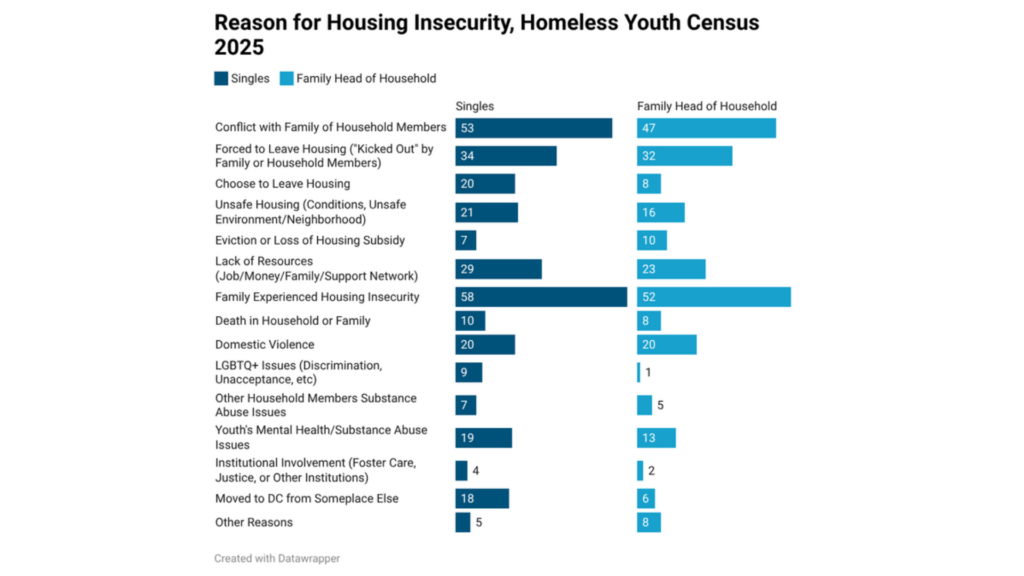
The Youth Count found 36% of single youth and 48% of youth head of households indicated an experience of domestic violence in their lifetime. Two-thirds of those individuals said they lost their original housing because of domestic violence. The survey also noted half of the youth counted were experiencing homelessness for the first time, and most had been experiencing housing insecurity or homelessness for over six months.
TCP is in the process of designing the 2026 survey, according to staff, and has been holding focus groups with youth and talking with providers. These discussions are used to determine the best questions they can ask to provide data to providers and outreach workers.
This article originally appeared in Street Sense’s July 15, 2026 edition.