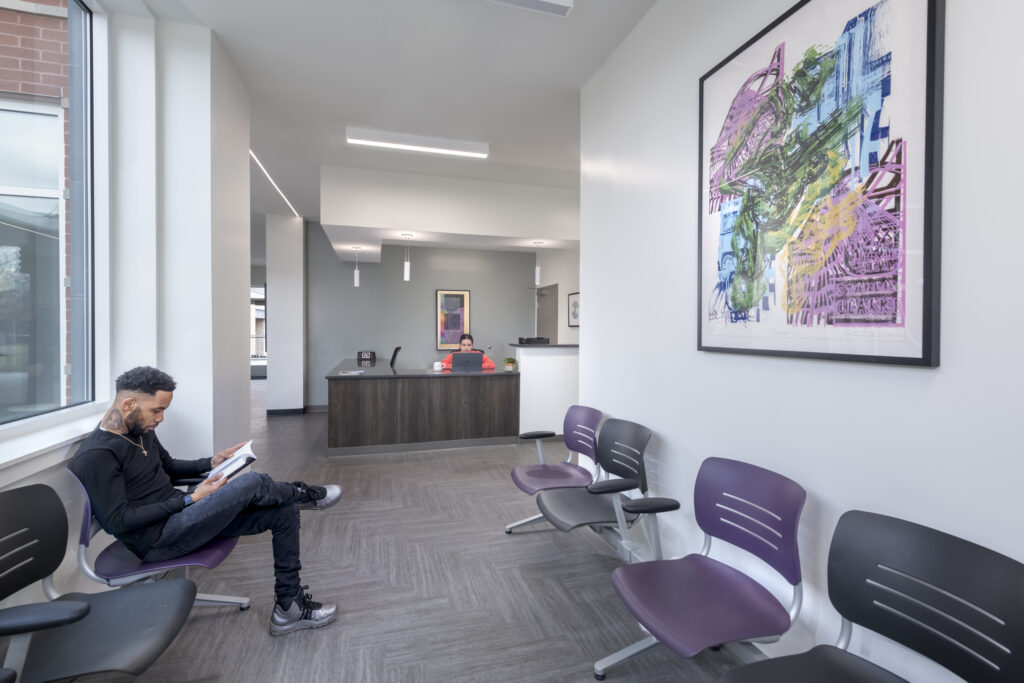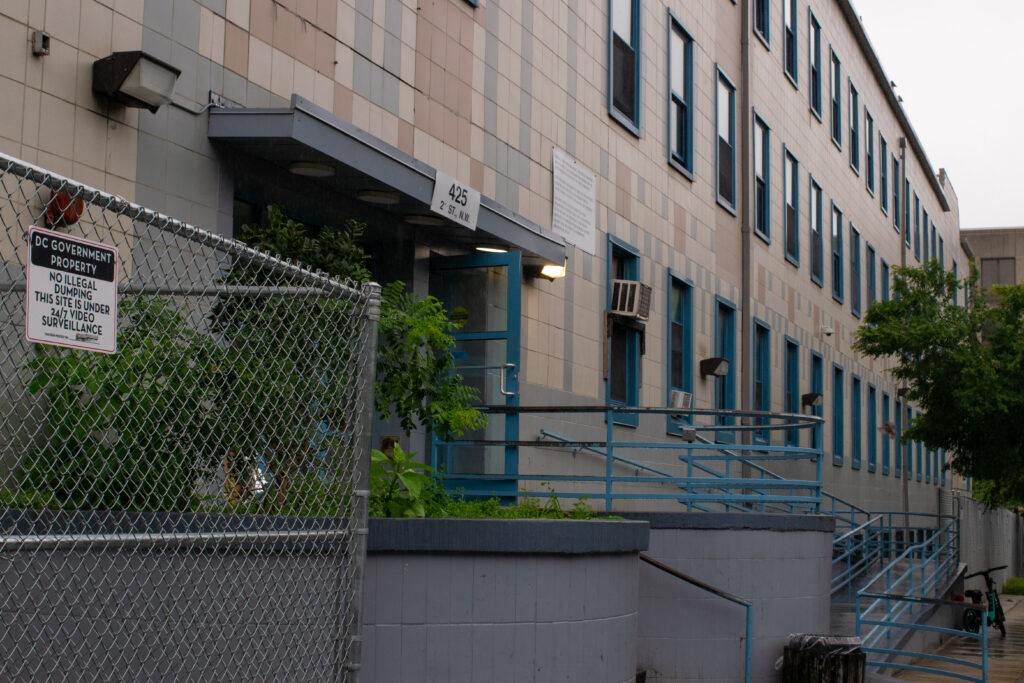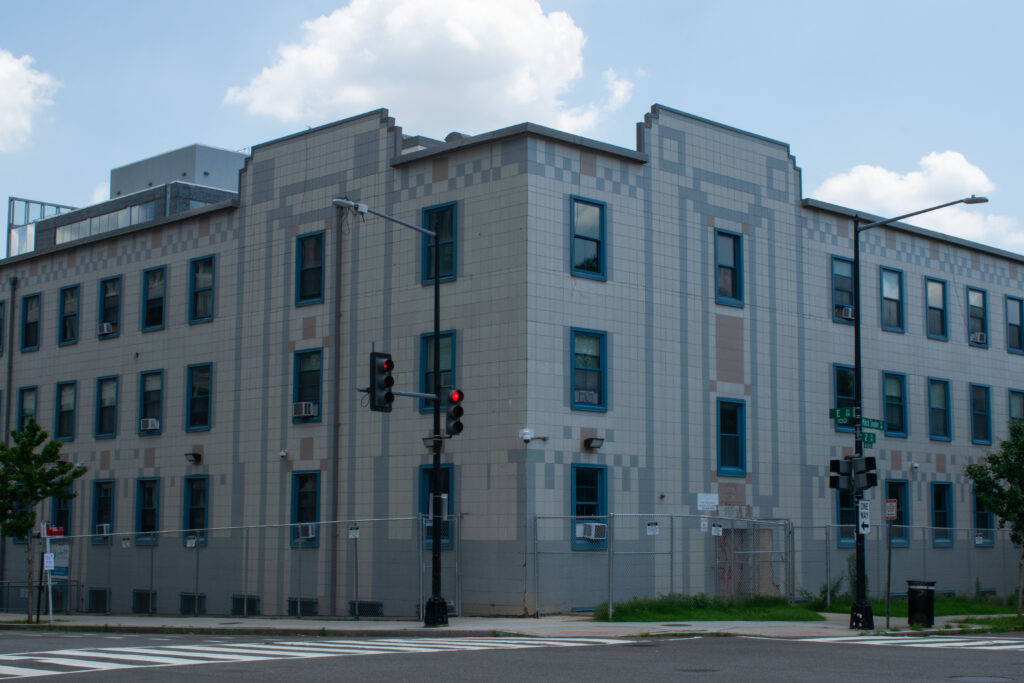
Space at D.C.’s year-round low-barrier shelters was limited throughout the summer, with many shelters reaching full capacity as early as 7 p.m. on the hottest days. Shelter capacity reports from singles shelters from June and July suggest that on at least nine days, not everyone experiencing homelessness who wanted to sleep in a shelter could.
In response to the federal government’s crackdown on unsheltered homelessness, the city opened an additional 100 shelter beds in mid-August. The most recent census, from Sept. 7, showed over 100 available beds.

D.C. experienced 40 heat alert days from June 18 to Aug. 18, including 15 extreme heat alert days. Individual shelter beds were full or nearly full across the District every single heat alert day, with men’s shelter Adams Place and women’s shelter St. Josephine often having only one or two extra beds available on hot days.
During the summer, the Homeland Security and Emergency Management Agency (HSEMA) issues a heat alert when the heat index forecast, or what the outside temperature feels like, reaches 95°F or higher, according to the updated guidelines in the 2025 District of Columbia Heat Plan. The city added an extreme heat alert category this year to keep up with the rising temperatures across the country, government officials said in an Interagency Council on Homelessness meeting on the plan. Extreme heat alerts are issued when the heat index forecast hits 105°F or higher.
Advocates often worry about summer shelter capacity because while some additional resources, like extended hours at day centers, are available during heat alerts, the city does not open more shelter beds. This is unlike in the winter, when the city opens hundreds of seasonal beds so people experiencing homelessness can stay safe from inclement weather.
D.C. Mayor Muriel Bowser activated the first heat alert of summer 2025 on June 18 and issued an extreme heat alert from June 22 to June 26, citing “feels like” temperatures of 105°F or higher.
All the city-run men’s shelters in the District, 801 East, Adams Place, Emery, and New York Avenue reached full capacity on June 18, according to the city’s shelter census. Pat Handy and St. Josephine women’s shelters, both filled 95% of their beds on June 18, while Harriet Tubman women’s shelter had 99% of its capacity filled. Living Life Alternative LGBTQ+ shelter filled all its beds on June 18.
During the heat emergencies from June 22 to June 26, there were between 19 and 33 emergency shelter beds open each night. On June 24 and 25, there were no available beds for men.
Over a month later, every shelter in the District reached full capacity on July 28 after the city issued an extreme heat alert through July 27, as temperatures were expected to “feel like” 105 degrees or higher throughout the day.
Some days over the summer, men’s shelters reached full capacity while women’s shelters had a few available bed spaces. Demand varied based on shelter. Men’s shelters 801 East in Ward 8 and Emery in Ward 5 reached full capacity on at least 39 heat alert days.
Women’s shelters in the District had the most vacancies over the summer, with Pat Handy and Harriet Tubman having only three and four full capacity days, respectively. St. Josephine had the most full bed spaces over the course of the 40 heat alert days, with at least 12 full capacity days.
Living Life Alternative LGBTQ+ shelter was full every single heat alert day Street Sense had data for, except June 18, June 25, and July 26.
Street Sense was not able to confirm shelter capacity for six heat alert days, June 23 and Aug. 13 through Aug. 18. Capacity reports only include data from city-run shelters, and do not include the large shelter at the Community for Creative Non-Violence.
President Donald Trump federalized the Metropolitan Police Department (MPD) under Section 740 of the Home Rule Act and deployed the National Guard to D.C. on Aug. 11, directing law enforcement to remove tents from unhoused encampments as he threatened to remove people experiencing homelessness from the city.
The city opened more than 100 additional shelter beds in response to the crackdown, according to the D.C. Department of Human Services, and is prepared to provide additional beds if needed. A noncongregate shelter in Ward 6 will also open in the next few months.
There were still 764 people sleeping outside by the end of August, according to a city count of unsheltered homelessness. The numbers suggest that rather than moving into housing or shelter, most people are just moving from place to place. At least 80 people have gone into shelter as of Sept. 2.
This article originally appeared in Street Sense’s Sept. 10, 2025 edition.