Every weekday, Ray wakes up before dawn to catch a bus to her job in Maryland. Some mornings, her commute can take up to two and a half hours. She loads trucks, delivers beer, wine, and liquor to restaurants across the region, and returns to a friend’s couch exhausted. Despite working steadily for more than a year, she still does not have a stable place to live.
Ray, 37, asked Street Sense to use a pseudonym to protect her privacy and avoid potential repercussions at work while she experiences housing instability.
Employment is often viewed as a pathway out of homelessness, but service providers, advocates, and people experiencing housing instability say keeping a job is only part of the challenge. Low wages, transportation barriers, documentation requirements, and a shortage of affordable housing can make it difficult to find a place to live, even with a job.
Ray returned to D.C. from Georgia last year after losing her home and job during a divorce and caring for a family member with medical needs. After about a month, she found work as a driver for a family-owned beverage distribution company. She’s spent the past year working while trying to find stable housing.
“There’s times where I can’t sleep because I’m stressed out about my situation,” she said. “I may be up until 12, 2 o’clock and have to be at work at 5. But I just got to deal with it because that’s the position that I’m in right now.”
Ray said low wages, debt, and losing the car she had been living out of make it difficult to save enough money to rent her own place. To avoid overstaying her welcome, Ray alternates staying with several friends while continuing to search for housing.
Other people experiencing homelessness may stay in designated programs like D.C.’s work-beds, designed to help residents keep their jobs and a place in shelter.
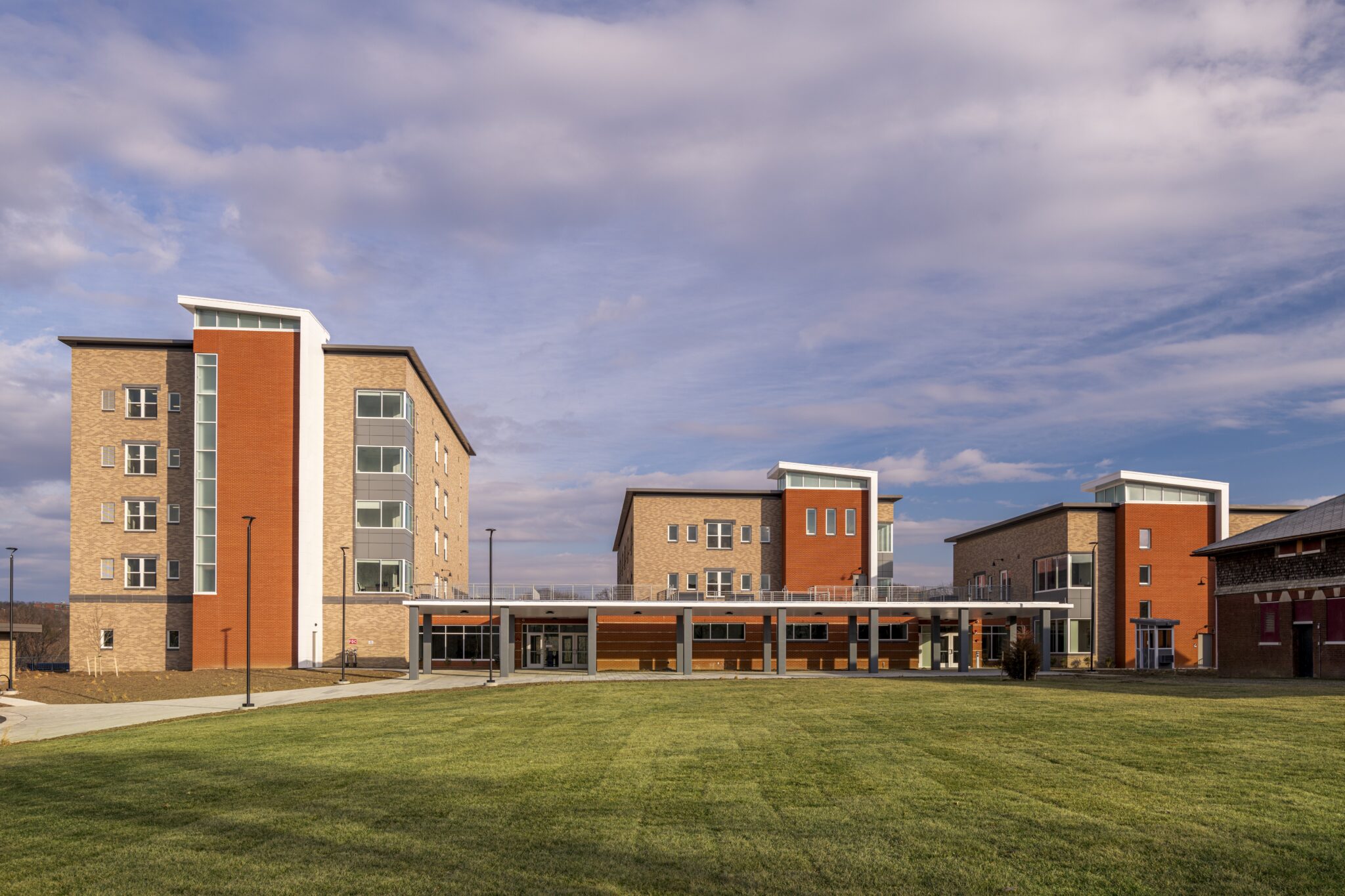
801 East Men’s Shelter offers a work-bed program with 96 beds for men over 18 who are employed or participating in approved education or job-training programs for at least 20 hours a week. D.C. Department of Human Services (DHS) officials said the program is designed to help men stay employed while working toward permanent housing.
District officials said other shelters, including Mickey Leland and Emery, also offer employment accommodations. DHS plans to open a similar work-bed program for women at the District’s new E Street Bridge Housing facility.
The work-bed section at 801 houses fewer residents than the general shelter. Sleeping areas are separated by dividers, giving each participant a bed, desk, and dresser. Residents in the program share access to a kitchen, laundry facilities, and bathrooms.
The program also offers flexibility around work schedules. In the shelter’s low-barrier program, residents typically must check in at 5 p.m. to secure a bed for the night. Work-bed participants, however, can arrange alternate check-in times based on their shifts. Staff hold residents’ beds and save meals for those who return after dinner because of work.
Tony Newman, deputy administrator for the District’s single adult services division, said the program is intended to remove barriers that could force residents to choose between keeping a job and keeping a shelter bed.
“If you’ve got a job, we are not trying to put you out. We’re going to work with you. Jobs lead to homes,” Newman said.
But keeping a job while living in unstable housing involves much more than simply having somewhere to go at night and showing up to work.
“It’s really hard to maintain your visual hygiene,” Ray said. “You don’t know if somebody can smell you. You don’t know if somebody can tell you’re wearing the same clothes.”
She said the constant pressure to appear put together, combined with chronic stress and too little sleep, can take an emotional toll.
“It can put you in a mental state,” she said. “It’s hard for us to come presentable, because mentally, we don’t know if we have it together.”
Ray recently discovered the Downtown Day Services Center, where access to showers, laundry services, and help obtaining identification has made it easier to keep working. She said additional resources, including free hair care services for women, could help people experiencing homelessness maintain a professional appearance.
Working can also make it harder to access the services needed to secure stable housing, advocates said.
Michael Broughton, associate director at Pathways to Housing D.C., said many employment services, housing appointments, and case management meetings are scheduled during traditional business hours, forcing working people to balance keeping their jobs with accessing the services they need. Housing applications also often require internet access, documentation, and appointments that can be difficult to manage while working during the day.
Even when those hurdles are overcome, Broughton said, employment alone often isn’t enough to secure permanent housing. With the budget shrinking for Rapid Rehousing and a shortage of affordable housing, many residents working full-time still struggle to find housing, like Ray.
For Ray, shelter-based accommodations are not part of the solution. She said she does not feel safe staying in a shelter, citing fears of theft, violence, and losing the few belongings she has.
“I will sleep in the street,” she said when asked about how she feels sleeping in a shelter. “I’m not doing it.”
Instead, she continues moving between friends’ homes while working toward a longer-term goal: saving enough money to start her own delivery business. She said giving up is not an option.
“This isn’t the end. It’s my beginning,” Ray said. “This is my restart.”
This article originally appeared in Street Sense’s July 29, 2026 edition.