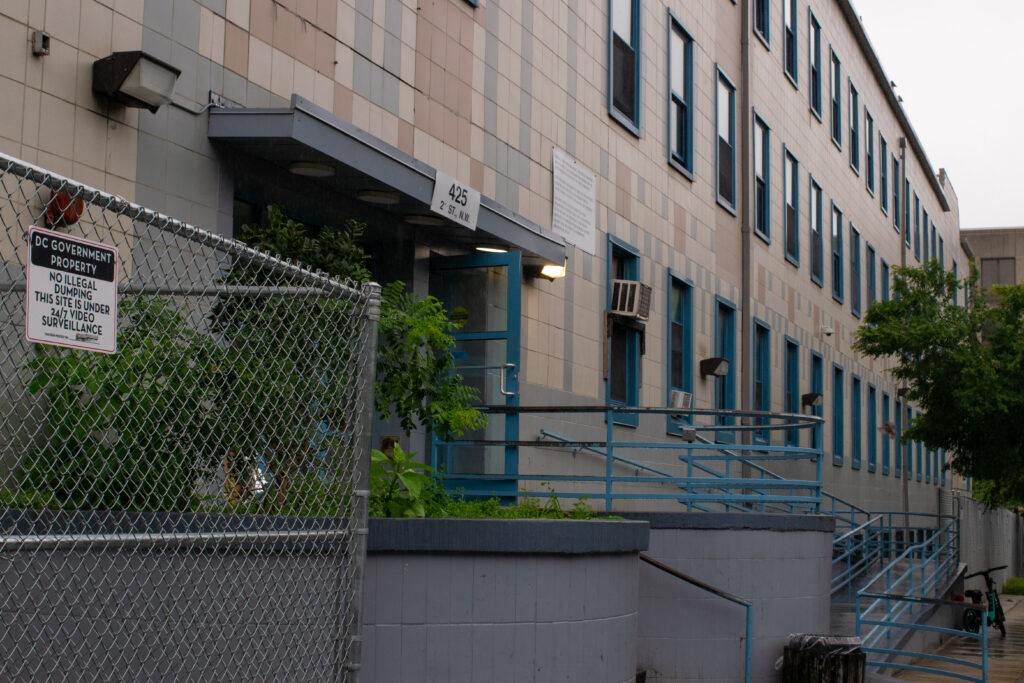
There have been 15 active cases of tuberculosis (TB) in D.C. homeless shelters since January 2025, with four in the last two months, DC Health confirmed to Street Sense. One of the cases is a former staff member; the others are shelter residents.
“This is the first TB outbreak DC has seen in shelters,” DC Health wrote. The Centers for Disease Control and Prevention (CDC) defines a large tuberculosis outbreak as one in which 10 or more related and verified cases of TB occur within a 3-year period.
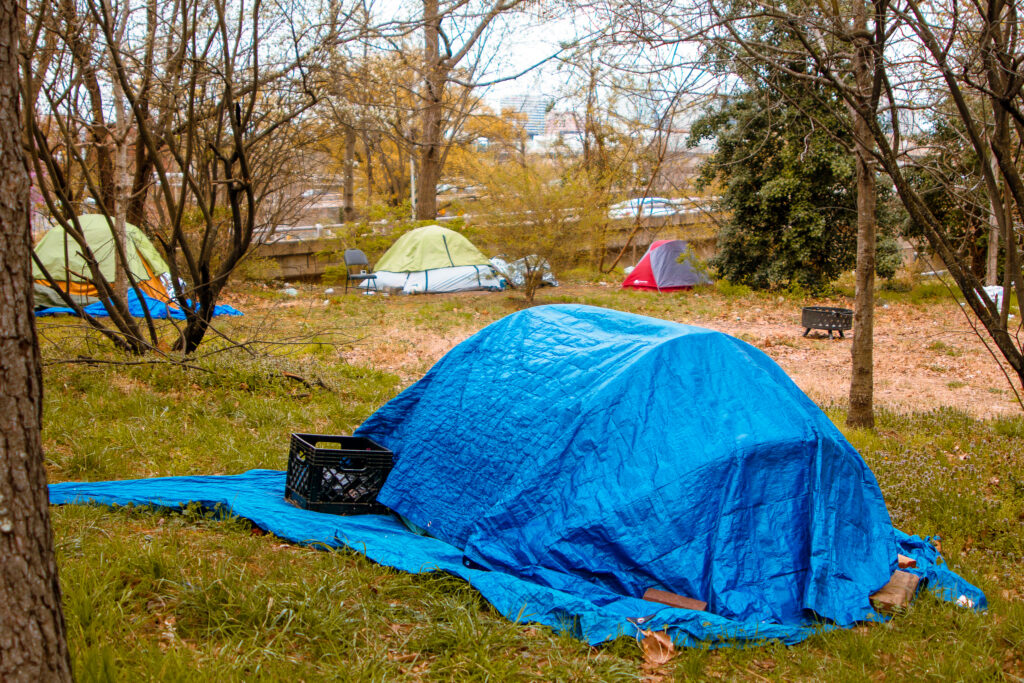
Between 2019 and 2024, there were 137 reported TB infections in D.C., averaging 34 per year across the District’s 700,000+ population. In comparison, there are more than 5,000 people experiencing homelessness in D.C., a portion of whom use emergency shelters.
People with active TB have active TB germs. They usually have one or more symptoms of TB, such as weight loss, fevers lasting for several weeks, and a persistent cough, and can spread TB to other people. In contrast, people who have latent TB have inactive TB germs, do not have symptoms, and cannot spread TB to other people. There is no reported number of latent TB cases.
While active TB is considered a public health concern as it is infectious, the CDC advises treatment for both active and latent TB, as latent TB can develop into active TB. According to DC Health, people with active TB cases are in treatment and are in isolation at local hospitals. Currently, the outbreak is not affecting shelter bed availability.
In partnership with the D.C. Department of Human Services (DHS), DC Health created a TB screening tool used at admission in District-funded shelters, a representative from DC Health said at a recent meeting of homeless service providers. The agency is also evaluating each shelter for risks based on factors like age and the quality of the ventilation systems. While these measures have been implemented in response to the outbreak, they may continue as needed.
“DC Health and DHS are rolling out a TB screening tool in all shelters and will institute routine TB testing, if necessary,” DC Health wrote.
In addition to introducing testing and treatment measures at DHS shelters, DC Health plans to extend its support to day centers and non-DHS-funded shelters.
“DC Health is actively communicating with non‑DHS‑funded shelters, and we will be extending the same level of support to day centers,” DC Health wrote. “We have already provided TB information‑sharing sessions for both clinical and non‑clinical staff, including nearly 10 town halls with DHS staff, non‑DHS staff, and community clinical providers.”
TB testing and treatment are brought to shelters so shelter residents do not have to travel for TB health care. However, anyone can access free TB testing and treatment at the DC Health and Wellness Center at 77 P St. NE.
This article originally appeared in Street Sense’s July 1, 2026 edition.