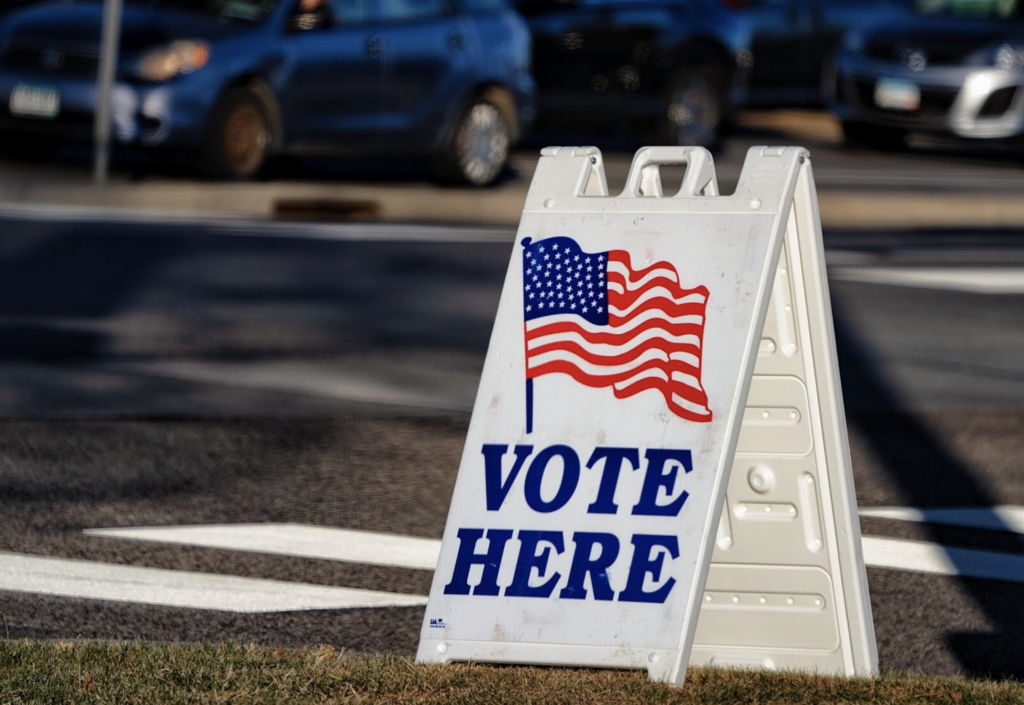
Last February, an estimated 86,500 people were left without representation on the D.C. Council when former Ward 8 Councilmember Trayon White was expelled due to bribery charges. On July 15, Ward 8 voters will decide between four candidates, including White, in a special election to determine their new councilmember.
With funding for D.C.’s Permanent Supportive Housing vouchers stagnant, encampment closures happening weekly, and funding for public services under attack, the stakes are high for a ward where 53% of households face a high housing cost burden, according to DC Action. DC Health Matters data says that around 87% of the ward is Black, and the median household income is $50,855, far below the city’s average of $106,049. The ward is also home to 20% of the District’s public housing properties, according to the city’s data.
The candidates on the ballot are Sheila Bunn, Mike Austin, Salim Adofo, and Trayon White. Though White’s trial is scheduled for January, he still has a base of supporters. Bunn and Austin also seem to have gained support, based on recent straw polls. There are also three write-in candidates for the election: Mary Roach, Oliver Roy, and Delonte Ford Singh.
In a questionnaire by Opportunity DC, Sheila Bunn, Mike Austin, and Salim Adofo responded to questions about abundant and affordable housing. All three said they support reforming the housing permitting process, making recently built buildings exempt from the Tenant Opportunity to Purchase Act, and implementing the Emergency Rental Assistance Reform Amendment (ERAP) Act of 2025, which would allow judges to grant evictions while someone has a pending ERAP application.
Salim Adofo has served as an advisory neighborhood commissioner since 2018 and was elected as chair of ANC8C in 2021. He has worked with Empower DC as a tenant organizer. His website states he hopes to address quality and affordable housing, including expanding homeownership, turning vacant properties into housing, and providing housing for returning citizens. He told Opportunity DC he hopes to rehabilitate the 20% of public housing units that are vacant and make them available for people in need, as well as advocate for more inclusionary zoning policies.
Sheila Bunn has been a public servant for 30 years, most recently serving as the chief of staff to former Ward 7 Councilmember Vincent Gray. She also serves on the board of directors at Martha’s Table. She lists housing stability as one of her key issues, emphasizing the importance of homeownership. She told Opportunity DC she hopes to invest in housing that is affordable for working-class families, and the Washington Post that she believes affordable housing should be spread more evenly throughout the city. Her other priorities include creating an affordable cost of living and bringing better food options to Ward 8, which is a food desert.
Mike Austin grew up in Ward 8 and has served as the chairman for ANC 8C, as well as attorney and vice president at United Medical Center. While working as a staffer for former Ward 8 Councilmember LaRuby May, he worked on a bill that prevented the increase of property taxes after development. Although his website does not include housing as a key issue, he told Opportunity DC, which has endorsed him, that he plans to make sure no one is forced out of the Ward 8 neighborhoods because of high costs or the loss of a job. His website says that he volunteers on the weekends to “feed and clothe the homeless.”
Trayon White had been the Ward 8 councilmember since 2016 until he was expelled in 2025. His federal case, which accuses him of taking $156,000 in bribes from a government contractor, looms over the election. Before becoming a councilmember, White was a member of the Ward 8 school board. On his website, he states that he introduced the Eviction Prevention Act of 2017 and the Office of Housing Stability Act of 2017. He believes in “Housing for All” and wants to see a community where his neighbors are never displaced and are able to grow their families in Ward 8.
Street Sense sent all four candidates questions about affordable housing and homelessness. Only one, Bunn, responded. Her answers are below.
Affordable housing: Three candidates for the Ward 8 special election list increasing access to affordable housing as one of their main priorities. What resources, if any, will you implement or expand to help people experiencing homelessness access housing options in the District?
Addressing homelessness and increasing access to affordable housing is not just a campaign priority for me; it’s a moral obligation. If elected, I will work to expand the District’s Housing First approach, which prioritizes providing permanent, stable housing before addressing other needs like employment or behavioral health. I will advocate for increased funding for the Emergency Rental Assistance Program (ERAP) and the Local Rent Supplement Program (LRSP), both of which help prevent eviction and support low-income residents. More housing choice vouchers are needed to assist unhoused residents in securing housing. Furthermore, providing long-term housing through permanent supportive housing and promoting the use of short-term shelters in each ward are additional strategies for facilitating the transition of our unhoused residents to stable housing.
In addition, I will push for stronger partnerships with nonprofit organizations and housing providers to create more transitional housing and supportive services for individuals and families experiencing homelessness. Ward 8 deserves housing solutions that are not only compassionate, but also sustainable. Everyone deserves a safe, dignified place to call home, and I’m committed to making that a reality.
Safe housing: What policies will you advocate for to provide safe housing to people across D.C., including those living in poor rental conditions?
Safe and dignified housing should be a guarantee for every resident in the District, not a privilege. If elected, I will advocate for the hiring of more housing inspectors and stronger enforcement of housing code violations, including holding negligent landlords accountable through increased fines, mandatory repairs within a set timeframe, and possibly withholding payment of public funds until violations are cured.
I will also push to strengthen tenant protections by expanding access to legal assistance for renters facing unsafe conditions or landlord retaliation. Additionally, I support increasing funding for proactive housing inspections especially in high-complaint areas like Ward 8 and creating a publicly accessible database of landlord violations.
Everyone deserves to live in a home that is clean, structurally sound, and free of health hazards. As the Ward 8 Councilmember, I will make safe housing a top priority, ensuring that renters are protected, heard, and housed with dignity.
Shelter capacity: Shelters have reached high capacity over the last few months. Do you think there are currently enough shelter beds and locations in your ward for people experiencing homelessness, including spaces for women, men, youth, and LGBTQ+ individuals? If not, how do you plan to increase the number of available beds?
The reality is that shelter capacity in Ward 8 and across the District is not meeting the current need, especially when it comes to safe, accessible spaces for women, youth, and LGBTQ+ individuals experiencing homelessness. Too many residents are being turned away or forced into unsafe environments because there simply aren’t enough beds or the right types of shelter available.
If elected, I will advocate for the expansion of low-barrier shelters with dedicated beds for specific populations, including youth and LGBTQ+ individuals, who often face unique challenges and safety concerns in traditional shelters. I will also work to identify underutilized public and private spaces that can be converted into temporary or transitional shelters.
Additionally, I will push for increased investment in wraparound services like mental health care, workforce training, and substance abuse support within shelters to help individuals stabilize and transition into permanent housing. Integrating behavioral health support within a shelter will effectively address residents’ mental health needs. Expanding case management services will boost the availability of personalized support to assist residents in achieving long-term stability and strengthening partnerships with housing providers to facilitate rapid rehousing and reduce shelter stay durations. Expanding shelter capacity is not just about more beds; it’s about providing the right kind of support in the right environments to truly break the cycle of homelessness.
Encampment closures: D.C. has been increasing the rate at which it closes encampments. What is your stance on the city’s encampment engagement policy, and should the city be closing more or fewer encampments?
The growing number of encampment closures in DC raises serious concerns about how we’re addressing homelessness. While public safety and health must be considered, simply closing encampments without providing stable housing alternatives is not a solution, it’s displacement. I believe the city needs to develop a comprehensive plan that is consist, compassionate, and provides a long-term vision necessary to make meaningful progress.
I do not support the increase in closures without guaranteed placements into low-barrier shelters, transitional housing, or permanent supportive housing. If elected, I will advocate for a housing-first approach that prioritizes voluntary, humane engagement connecting our unhoused neighbors to housing, mental health services, and employment support before clearing encampments.
Our goal should not be to make homelessness invisible; it should be to end it. That means strategic encampment closures with more investment in real housing solutions that treat every resident with dignity and respect.
This article originally appeared in Street Sense’s July 2, 2025 edition. It was updated to include responses from Sheila Bunn.