Thousands of Americans have full-time jobs and still can’t pay rent. They live in shelters, with their families, and in extended stay hotels that profit off their instability. Some aren’t included in the count of people experiencing homelessness, because they don’t fit the official definition. But they’re a significant and revealing part of America’s homelessness crisis, journalist Brian Goldstone argues in his new book, “There Is No Place for Us: Working and Homeless in America.”
Goldstone follows five Atlanta families, detailing their journeys through housing instability. Through intimate portraits, he argues homelessness is not a personal failing or the result of joblessness, but the consequence of high housing prices, widespread gentrification, and an unwillingness to face the reality of “hidden” homelessness.
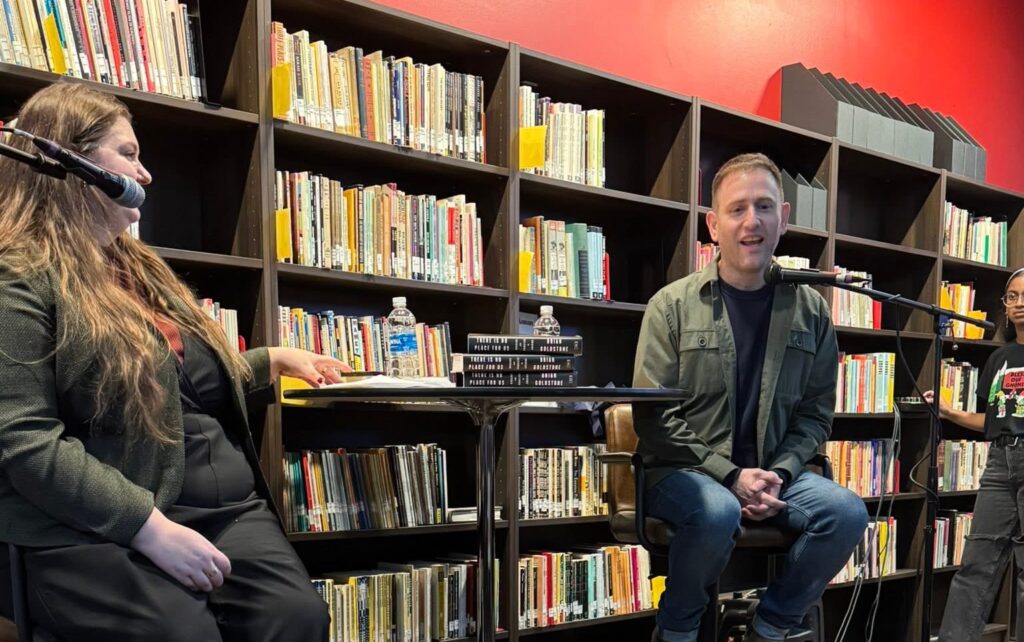
This November, I had the opportunity to sit down with Goldstone to discuss his book for an event held by Shelter House and the Fairfax County Public Library. I’d like to share some of that with Street Sense readers. The following conversation has been edited for length and clarity.
Your book focuses on a form of homelessness we often don’t see. Tell us about how you came to see this “hidden” homelessness and why you decided to write a book about it.
I came to this project through my wife. She was working at a community health center in Atlanta. She started telling me about this trend, where one patient after another, they were working at an Amazon warehouse, driving for Uber and Lyft, daycare workers, or home health aides. When they finished work, they weren’t going to a home. They were going to a shelter, if there were any shelter beds available, they were crowding into apartments with others. They were sleeping in their cars with their kids, or increasingly, they were going to these extended stay hotels.
I was shocked. I had never heard about this hidden universe of homelessness she was describing, where it was largely not on the street. That was the initial spark of curiosity for me. I was stunned to discover, as I then began to report, not only were the patients my wife was seeing not some bizarre anomaly, but they were representative of a staggering trend across the country. Anywhere I went, it was the same: people who were working, not just one job, but sometimes multiple jobs, working and working and working some more.
And it wasn’t enough to secure this most basic necessity, and to pour salt on the wound, they were also invisible. Not just invisible in the sense they didn’t necessarily want people to know they were experiencing homelessness, but they were rendered invisible. They were actively written out of the story we as a nation have told ourselves about who becomes homeless, and why.
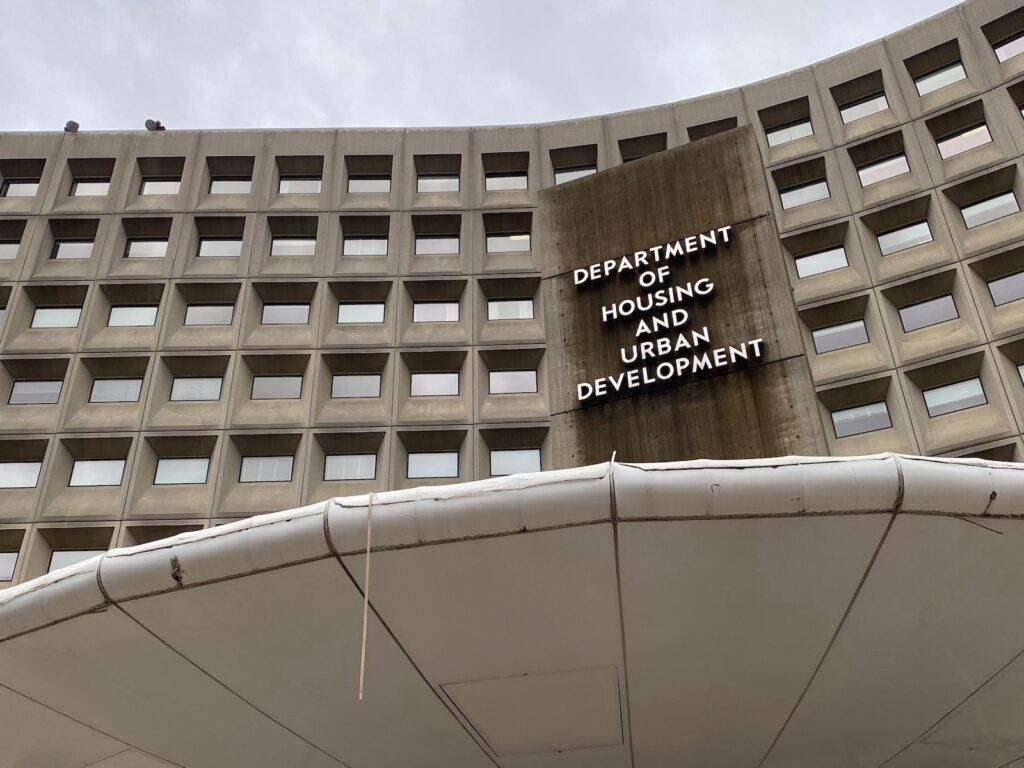
They were also locked out of crucial housing assistance because the way the U.S. Department of Housing and Urban Development defines literally homeless is either those who are in a shelter or on the street. They didn’t fit that definition. So they were triply invisible, and I began to see this was not accidental. This was not just some oversight; it was a kind of engineered neglect.
When you narrow the lens on homelessness so it’s only getting a tiny little slice of the total population, you can tell yourself this comforting narrative about homelessness, that it’s about addiction, mental health issues. But when you widen the lens, then homelessness begins to look very different. Work also begins to look very different. America begins to look very different.
You follow five families in the book. Can you walk us through the story of one of them, so we can understand some of both the structural issues and the personal issues people are facing?
Celeste captures a key argument in the book, which is many of us will sometimes say, “Oh, so and so fell into homelessness.” But people are not falling into homelessness; they’re being pushed.
Celeste, it begins in a really traumatic way when she’s driving home from her warehouse job, and her neighbor calls and says her rental home is on fire. By the time she gets there, her house has been completely destroyed, and the only possessions she and her kids have are a few loads of dirty laundry she threw in the car that morning.
She thought she would have this relatively quick housing search. But the ground had shifted under her feet in the time she was renting, and neighborhoods in Atlanta that were once affordable had become unaffordable. So it turned into this protracted nightmare of a housing search, and she was sleeping with her kids in her car. And those nights were awful for her, because not only was she having to sleep in this Walmart parking lot and get her kids ready for school in the bathroom, but she was also terrified the police would knock on her window, because in Georgia, over a quarter of kids put into the foster system are the direct result of what is categorized as inadequate housing.
Finally, finally, she found a landlord. She applied. She prayed with the leasing agent. Then a few days later, she got a call. The leasing agent was no longer friendly. It was like, “Why didn’t you tell me about the eviction on your record?” And she’s like, “What are you talking about? There is no eviction.” Come to find out, when her house burned down, the landlord’s representative said to break the lease, she would have to pay not only the current month’s rent, but an additional month, and she would lose her security deposit. Celeste hung up in disgust. She thought that was the end of it. They filed an eviction against her, which she didn’t find out about until that call with the leasing agent. When Celeste drove to that house months later, indeed, in the mailbox, she found an eviction notice. She drove to the courthouse and found out that in her absence, a default judgment had been handed down, and her credit score had been tanked.
And at that point, Celeste did what countless other families in her situation are doing, especially in places where there are no family shelters. She went to an extended stay hotel where she ended up in this tiny little room, paying more than double what she had been paying for her two-bedroom rental home, and she thus became imprisoned in what people call the hotel trap.
All of the families end up staying in these extended stay hotels, paying more than rent. Talk a little bit about that industry you found.
Before I started this, I heard extended stay hotel, and I would imagine places where business travelers might stay. The kind of extended stay hotels we’re talking about are at the very, very bottom end of the hotel spectrum. These are what I’ve come to refer to as extremely profitable homeless shelters with slum conditions.
These hotels, they’re not cheap. They’re double, sometimes triple, what an apartment would cost. But they are filled with families, with working families, who have been pushed out of the formal housing market because they belong to this credit underclass from which it’s virtually impossible to climb.
I was stunned to discover the same Wall Street investors, the same private equity firms that are buying up growing swaths of America’s rental housing, they’re also buying up the places people go once they lose their housing. It’s sort of flipping the James Baldwin line about how, in America, it’s extremely expensive to be poor. Their stories demonstrate the flip side, which is how extremely lucrative all of this insecurity has become for some. Homelessness has become big business.
Talk about getting to know the families. A lot of people have ideas about what it means to be homeless. How did you ensure their portrayals were honest, without playing into stereotypes?
My goal was to immerse myself as much as humanly possible in the day-to-day lives of the people I was writing about, and instead of approaching them as in like “I’m doing a story about homelessness, and I’m wondering if I can talk to you,” it was this very long process. Consent was really important because they had never worked with a journalist before. I checked in with them constantly, like reminding them, this is going to be read one day, hopefully by people. I told them from the beginning that at the end of this, we’re going to sit down and go through whatever I end up writing, and you’re going to tell me if you’re comfortable with this. And we did that at the end, and there were a lot of tears. It was heart-wrenching.
I became convinced that it is just as dehumanizing to people to present them as these angelic, flawless creatures who can do no wrong, who are just getting up in the morning and going to work, and they have grit. It can be just as dehumanizing to do that as it is to pathologize people and blame them. It felt really important to show people in the fullness of who they are, stepping back and saying, here’s the larger system giving this person the choice in front of them to begin with.
These are systemic problems. You write about gentrification, housing affordability. How do we create a world where people like Celeste can rent an apartment again?
There are all kinds of immediate solutions, keeping people in the homes they already have. Policy, like what’s called just cause eviction laws that say you can’t lose your apartment because your landlord decided it’s the perfect time to sell. And then getting people into homes they don’t yet have, building new, truly affordable housing that is safe and dignified and permanently affordable.
But the foundation upon which any real way of tackling this crisis has to be built is to understand in our society, in the richest nation on the planet, how the hell has this happened? How have we allowed this essential thing that people need, like food, like medicine, how have we allowed it to just be auctioned off to the highest bidder?
We have millions and millions of people in this country who are extremely low-income, who are part of the labor force, and who are at imminent risk of homelessness. And we’ve flung all of those people into what a case manager in the book refers to as the “housing Hunger Games.” Housing has become this, this thing that is so unattainable for so many and where so much money is being made, and people don’t even have a home to go back to at the end of the night with their kids and that is the shock that I’m hoping this book will initiate.
This article originally appeared in Street Sense’s Dec. 17, 2025 edition.