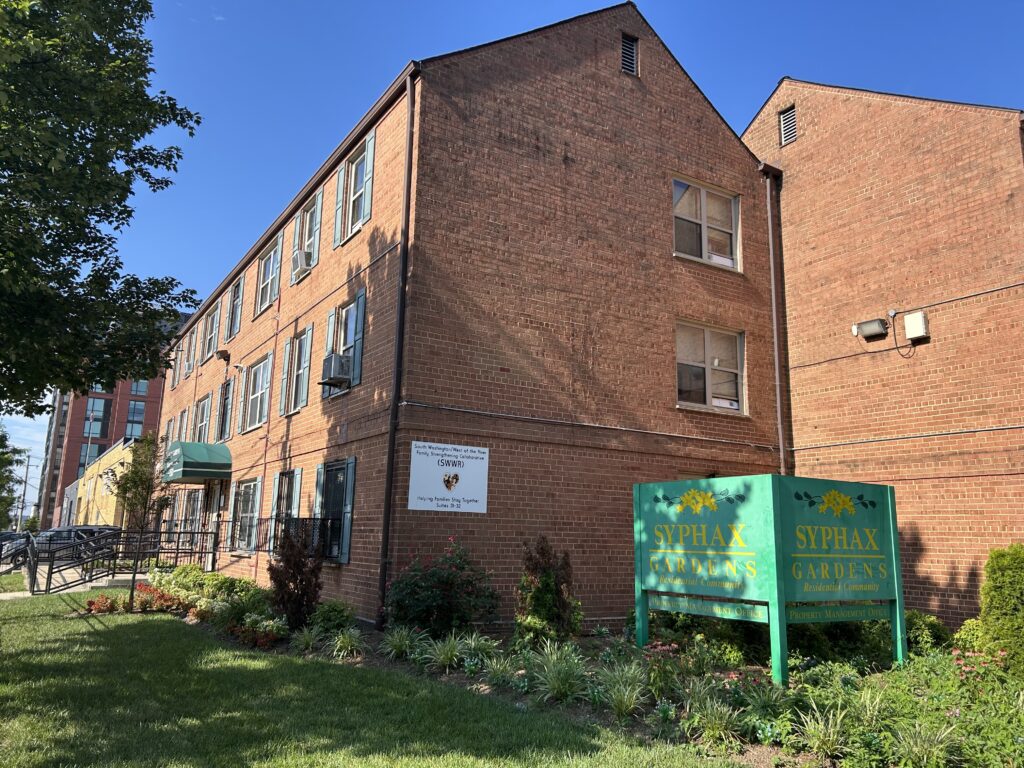
This summer, the District of Columbia Housing Authority (DCHA) announced a revitalization plan to modernize and renovate public housing communities in the District. The plan comes after years of resident complaints about housing conditions.
DCHA selected 19 public housing communities for revitalization in the next several years after what the agency called a “comprehensive assessment” of its portfolio. Through improvements to the buildings’ physical structures, DCHA hopes to provide a safer space for residents to live. While this is a sweeping effort, it’s not the first time DCHA has promised changes, and housing advocates say they want DCHA to be very intentional about community engagement.
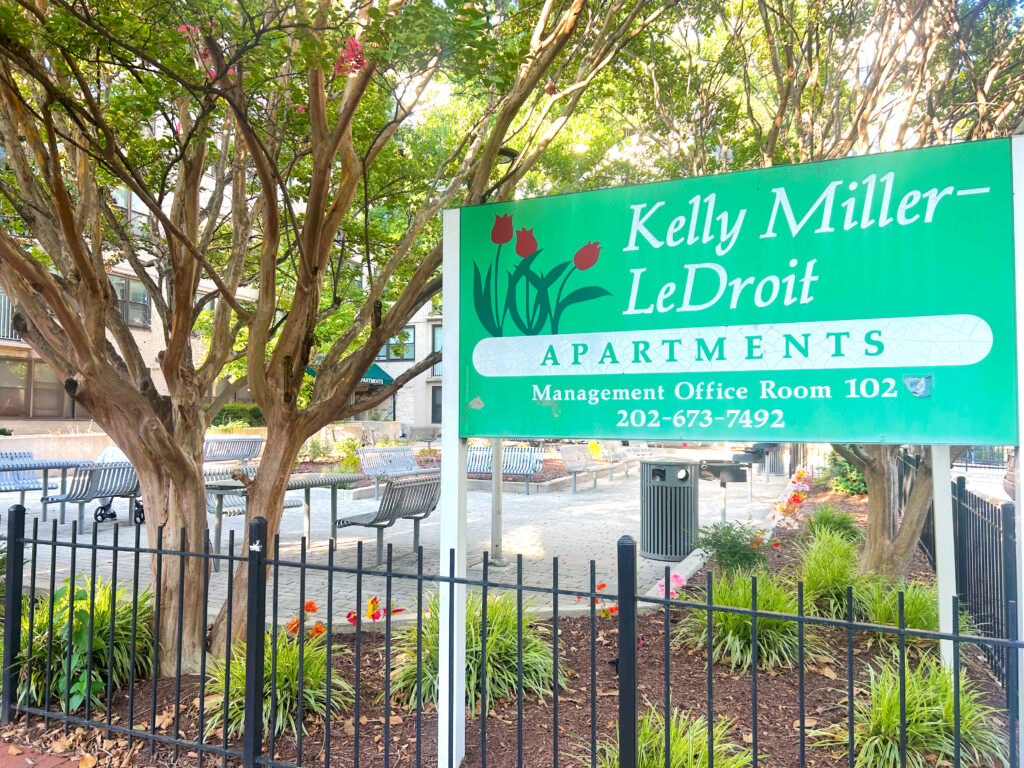
The first phase of the plan, which is set to begin in spring 2026, will involve renovations of around 1,900 public housing units, upgrading building systems and infrastructure at Claridge Towers, James Apartments, Fort Lincoln, Hopkins Apartments, James Creek, Sibley Plaza, Syphax Gardens, Lincoln Heights, and Knox Hill. The subsequent phases of the plan will include 10 other public housing communities: Harvard Towers, LeDroit Senior, Horizon House, Judiciary House, Regency House, Carroll Apartments, Kentucky Courts, Stoddert Terrace, Highland Addition, and Woodland Terrace.
The 19 properties were selected because DCHA can make changes within the existing structure and complete work in vacant units, so fewer residents have to move out during construction, according to a DCHA spokesperson. DCHA anticipates construction on the first phase buildings will end approximately 18 to 24 months after it starts, but the scope of the work at each site might affect those timelines.
DCHA has faced years of scrutiny, heightened by an October 2022 audit by the U.S. Department of Housing and Urban Development, which identified 82 violations of federal policies by DCHA. According to the audit, some properties had vacant units with public safety hazards like mold growth, overall aging infrastructure, and boiler rooms with leaks and corrosion. These problems were exacerbated by work order backlogs, which slowed routine maintenance and preventative care.
The housing authority ran a “maintenance blitz” the following summer, under the leadership of former DCHA Executive Director Brenda Donald. In June 2024, DCHA released a Three-Year Recovery Plan under the new leadership of Keith Pettigrew, who was named executive director in September 2023. The plan was meant to restore the D.C. community’s trust in the agency and provide better quality service and housing units for residents.
Throughout the summer, DCHA has released more information on the specific improvements scheduled at each of the phase one communities. Generally, residents can expect to see modern upgrades to floors and appliances inside individual units as well as improvements to shared spaces. There will be a focus on improving water filtration and heating and cooling systems, as well as replacing roofs, upgrading security systems, and improving building facades at certain communities. For each phase one community, DCHA also highlighted recent improvements, including repairs, upgrades, and replacements. Work on the public housing communities is meant to enhance building infrastructure for long-term cost savings and reduce maintenance requests in alignment with the Sustainable DC program.
The revitalization plan will be funded by $700 million in industrial revenue bonds issued by the Office of the Deputy Mayor for Planning and Economic Development to DC Housing Solutions Inc., an affiliate of DCHA, along with $70 million of DCHA’s funds. The District’s fiscal year 2026 budget includes $52.4 million in funding for DCHA public housing improvements.
Engagement sessions with residents of the communities in the first phase began the week of July 14, Pettigrew said in a July 9 board meeting. The specific scope of each project will be finalized following conversations with residents.
In these initial sessions, DCHA presented the preliminary renovation plan, spoke about the potential of converting the properties from traditional public housing to a site-based voucher subsidy through the Rental Assistance Demonstration (RAD) and/or Section 18 programs, and explained the resident rights for public housing communities that undergo a subsidy conversion, according to an email from a DCHA spokesperson. The subsidy conversion approach allows public housing units to be converted to tenant-based or project-based housing, potentially attracting more investment for rehabilitation, though some advocates worry about residents losing rights in the process. DCHA is looking to increase its use of the project-based voucher program, according to its draft of the FY2026 Moving To Work Plan.
According to the spokesperson, DCHA will maintain consistent communication with resident council leadership at each site. During meetings throughout the rest of the year, DCHA will provide updates on construction, present design options, and answer questions. Relocation specialists will also be introduced to each resident facing a temporary move.
Natasha Bennett, managing attorney focused on housing law with Bread for the City, an organization that provides legal support for low-income D.C. residents, said she was hopeful to see funding going towards remedying housing conditions. But, she emphasized, residents need to be at the forefront of the plan so the most important stakeholders are included in the process.
“Bringing people in, involving the residents at every stage of the process, getting their voices, having good tenant meetings with the residents, learning from them what their interests and what their needs [are] are going to be very critical,” Bennett said.
Without a roadmap for residents of what to expect, Bennett said, tenants could become lost in the process and have a difficult time trusting DCHA.
“If you don’t listen, you can’t really act on behalf of people,” Bennett warned.
Advocates are also worried about what the plan will mean for the properties not selected for renovation.
“It’s unfortunate that there are kind of winners and losers as it were right now, where certain properties will get attention and will get redeveloped,” Daniel del Pielago, housing director with grassroots advocacy organization Empower DC, said. “Certain properties will have to wait until we see what happens.”
Of the 37 DCHA properties left off the list of those selected for renovation, del Pielago was particularly concerned for residents who had been promised support in the past, but who, he says, have continued to be relegated to the sidelines.
Under the New Communities Initiative, for instance, residents were moved out of their buildings without a clear understanding of when they could return to their homes as they waited for years for development to be completed, according to reporting from DCist. The project focused on an area around four public housing communities, and was slated to be finished in 2015, but instead stretched into its second decade of work with residents waiting on their promised benefits to materialize, according to the Washington Post.
Del Pielago said he is glad DCHA is going to work on remedying the worrying conditions at some of its units, but hopes they will deliver on what they are promising through effective communication and collaboration with residents.
This article originally appeared in Street Sense’s Aug. 27, 2025 edition.