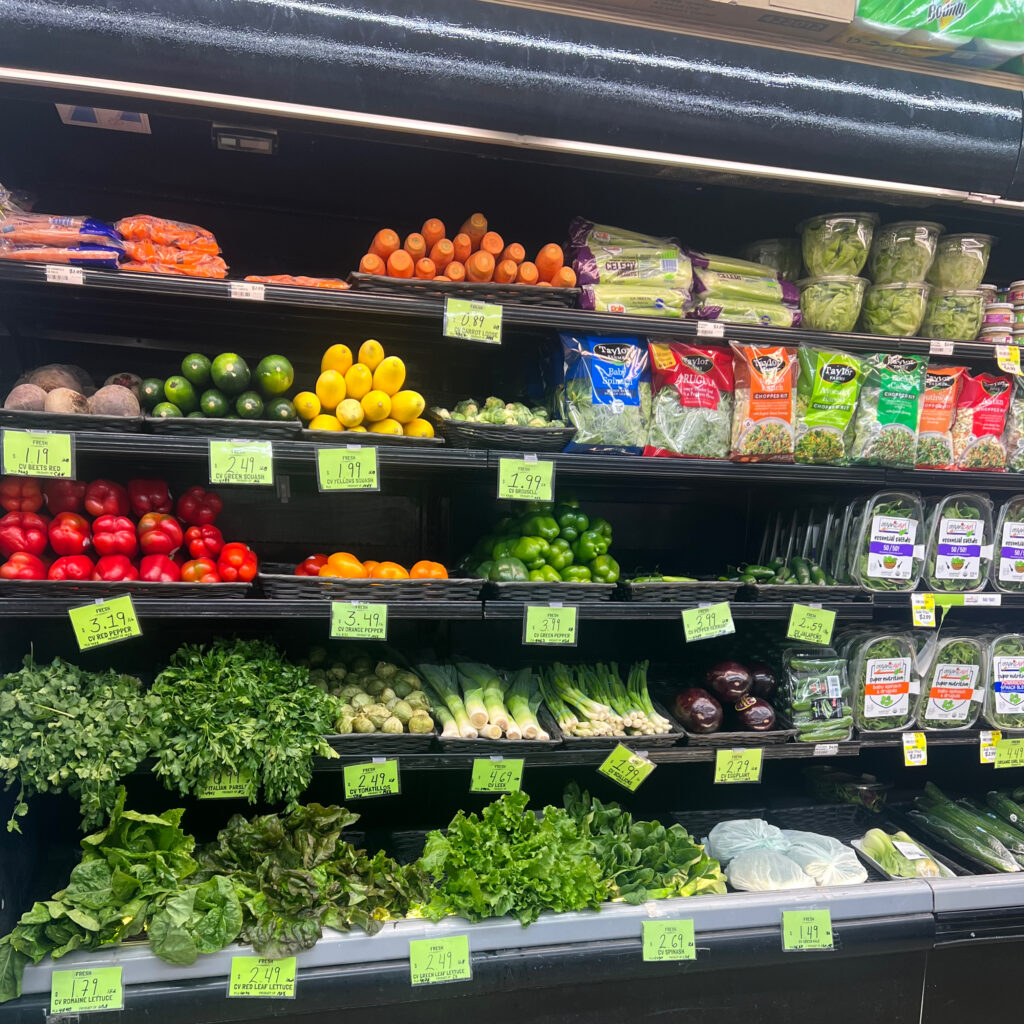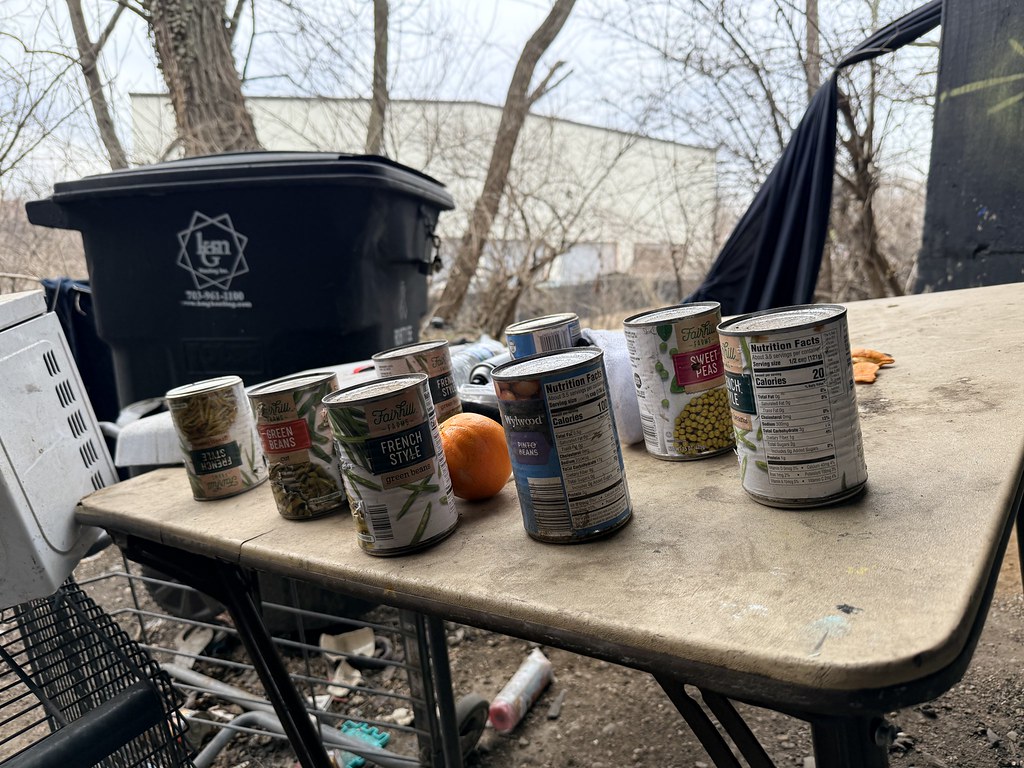
Limited access to healthy food is a recurring issue for people experiencing homelessness in D.C., advocates and people living outside say.
People living outside or in the District’s encampments often have limited control of what their next meal will be, relying on daily meal programs or donations that may lack nutritional value. Regularly consuming unhealthy food or not getting necessary nutrients may cause or worsen chronic health conditions like heart disease, diabetes, and hypertension, according to a study from the American Journal of Medicine.
Recognizing the potential for insufficient access to healthy food to cause or exacerbate chronic health issues, D.C. nonprofit and aid organizations such as Martha’s Table, Food Not Bombs, and Street Health DC are working to ensure people have access to nutritious food wherever they lay their heads.
People experiencing visible homelessness may get food from homeless outreach organizations, volunteer groups, or just people passing by. Though some donors provide calorically dense foods, like ultra-processed snacks and fast-food meals, to encampments to alleviate hunger, encampment residents say those foods, which sometimes contain high quantities of sugar and salt, can harm their health. When people bring unsolicited food to encampments, leaving it without checking with residents, it can also attract pests and create a mess residents then have to clean up, encampment residents have told Street Sense.
Dr. Tobie Smith, the founder and executive director for Street Health DC, told Street Sense the public often forgets nutrition is also a problem when confronting hunger among homeless populations.
Street Health DC provides medical support to people experiencing homelessness, primarily those in outdoor encampments. The organization partners with community outreach groups like Pathways to Housing and District Bridges to connect individuals with physicians.
Smith said people experiencing homelessness are often limited to consuming what’s available. They don’t have the opportunity to follow diets that incorporate the recommended high fiber vegetables and lean meats to manage chronic health conditions like heart disease, high blood pressure, and dental diseases.
These factors, among others like minimal access to affordable health care in the District, can lead the life expectancy of those experiencing homelessness to fall 20 years below the average, according to Smith.
Though many organizations that help feed people experiencing homelessness aim to provide healthy food options, limited budgets and reliance on donations can contribute to deteriorating health among those in encampments, according to Smith.
“We know that a lot of the food that’s distributed is based on what’s available and what has a lot of shelf stability, so it’s not always fresh produce,” Smith said.
In response to limited options, some local organizations focus on providing vegetable-rich options or giving people seeking food more choices.
Martha’s Table, for instance, hosts two free daily markets at 2375 Elvans Rd., SE and 1474 Columbia Rd., NW. The markets, which run from 11 a.m. to 4 p.m., allow individuals to pick up to $30 worth of free groceries like eggs, vegetables, and fruit.
Mallory Mpare-Quarles, deputy chief of health and wellness for Martha’s Table, said individuals can choose what food ends up in their bags. “Allowing people to have control of what they eat builds trust, enabling them to come back and continue consuming nutritious ingredients,” she said.
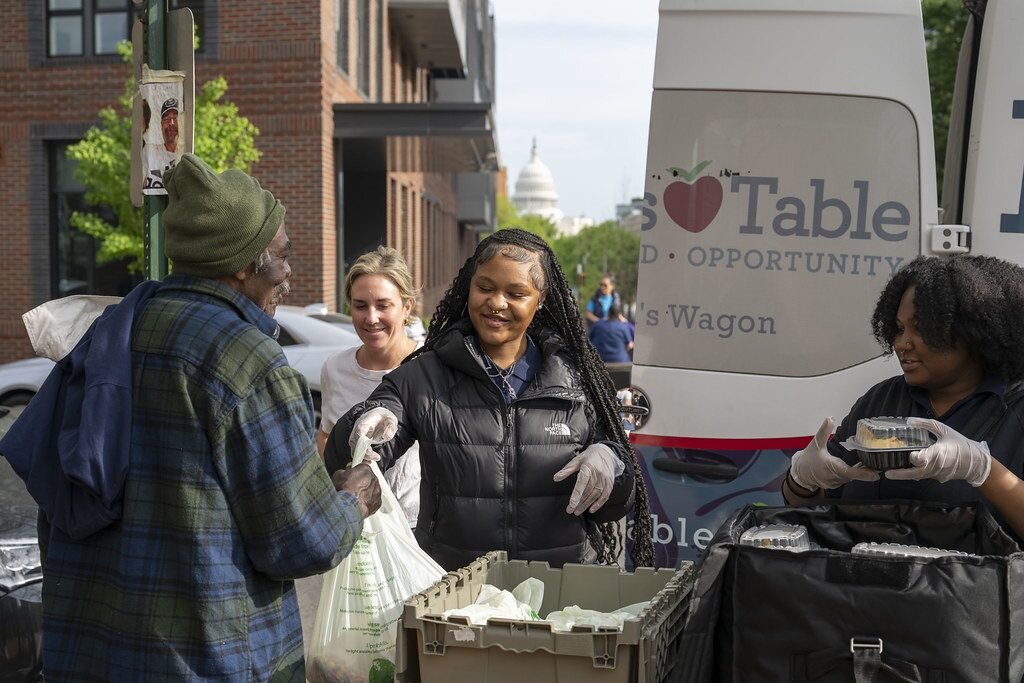
Because encampments do not have proper storage for food, healthy foods received at markets can deteriorate outdoors. To supplement this, Martha’s Table’s McKenna’s Wagon provides hot meals to individuals outdoors. The service provides meals to those who don’t have the space or equipment to cook.
Many menu items are chosen on by the guests who receive them, often with consideration of dietary restrictions. Sandwiches and healthy snacks with later expiration dates are packed along with hot meals to delay hunger.
“We prioritize these additional items because they have a longer shelf life, ensuring that the people we serve, many of whom lack consistent access to a kitchen or regular meals, have something available to eat later, beyond the hot meal,” Mpare-Quarles said.
Other groups like Food Not Bombs focus on providing hot meals with a concentration on dietary preferences. The organization was founded in 1980 to provide communities nationwide with vegan and vegetarian meals. The organization’s D.C. chapter provides weekly free meals on Saturdays at 2:30 p.m. in McPherson Square.
Keith McHenry, co-founder of Food Not Bombs, emphasized the importance of healthy food options for those experiencing homelessness.
“If you’re living on the street or low-income, you’re buying food at 7-11, and the convenience store, and it’s not healthy,” McHenry said. The ability to eat meals based on dietary restrictions is also important for those living in encampments. If people experiencing homelessness became vegans when they were housed, they still need vegan options, he said.
The health-focused group serves vegan meals sourced from recovered, salvaged, and donated produce. To reduce food waste and food inaccessibility, Food Not Bombs also gives surplus food to soup kitchens and shelters.
For people looking to help, Smith encourages the public to prioritize fresh vegetables and foods low in salt when donating to shelters and kitchens, as well as asking programs and people what food they need, and making sure that food stays fresh.
“D.C. has rats, there’s heat. Unless it’s a bottle of water and a packaged food, that is a definite no-no,” Smith said. “No one should be eating food that they have no idea how long it’s been sitting outside.”
According to McHenry, providing low-barrier access to healthy options is vital to improving the physical and emotional health of people experiencing homelessness.
“It’s really important to have healthy, nutritious food,” McHenry said. “It really perks people up.”
This article originally appeared in Street Sense’s March 25, 2026 edition.