A new proposed bill to create a deposit-based bottle reclamation program could provide some homeless and low-income D.C. residents with a small but steady monthly income.
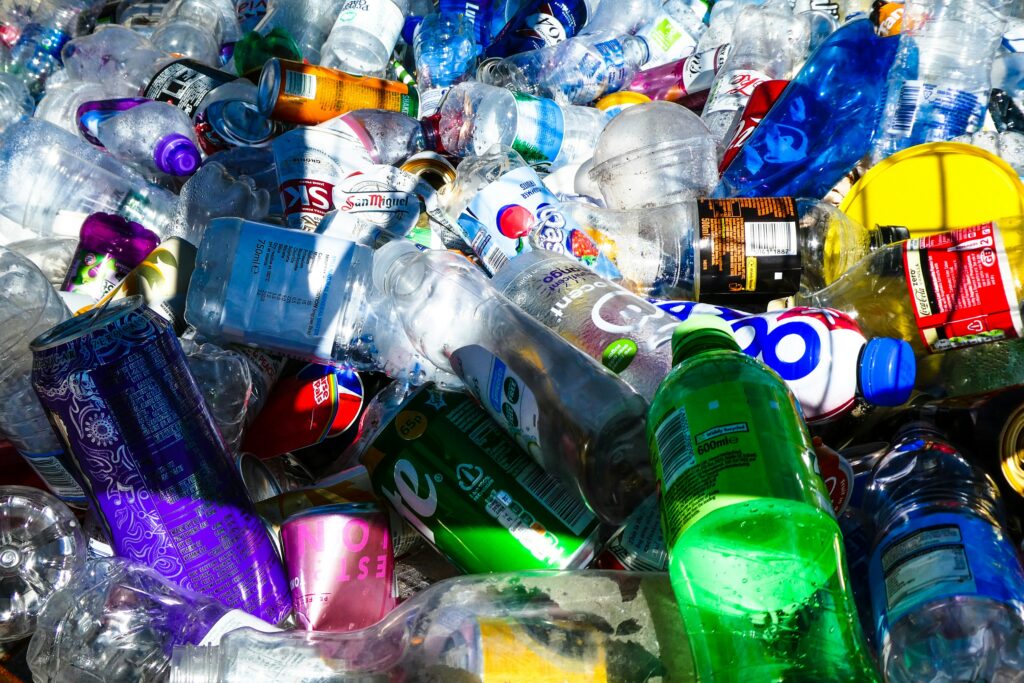
The Recycling Refund and Litter Reduction Amendment Act of 2025, otherwise known as the “bottle bill,” would implement a 10-cent deposit for every bottle or can purchased in D.C. Shoppers would pay the extra charge up front, and then the deposit would be paid back to whoever returns the bottle. Ward 1 Councilmember Brianne Nadeau, who introduced the bill, said the 10-cent per container rate could create a “substantial” revenue opportunity for low-income residents, who could collect and turn in abandoned bottles to supplement their monthly earnings or pay for necessities.
“When I tell people about this, they see that opportunity,” Nadeau said. “And it’s not just collecting the containers, there’s also a lot of jobs that are going to be created. So there’ll be businesses that collect containers from restaurants, from corner stores. You know, there will be people who work at the redemption centers.”
Canning, the process of collecting discarded containers and turning them in for a profit, has existed in the U.S. since the first bottle bill passed in Oregon in 1971. In the 10 states with bottle bills in place, the profession provides an accessible option to earn an income. People can collect disposed bottles and cans from their communities and turn them in to local redemption centers or participating restaurants. In New York City, canners earn an average of $119 a week, according to a report from Sure We Can, a cohort of canners in Brooklyn.
The proposed D.C. legislation would require the city to set up redemption centers in every ward, according to Nadeau. Some redemption centers could work as a “reverse vending machine,” where canners could deposit their cans in return for a receipt they cash out at the facility. Nadeau said other locations could operate as a “bag drop,” allowing canners to leave bags of containers at a local restaurant or store. The bags would be counted by the facility or a bottle collection business, and the money would be later deposited in an online account. The proposed bill would require all stores that sell bottles to double as a redemption center, with an exception for small stores.
The bottle bill has generated some controversy among local business owners, largely unrelated to the revenue opportunities it could create for low-income residents.
On Oct. 1, bottle bill advocates and opposers spent over 11 hours testifying at a public hearing. Environmental advocates in support of the bill said the promise of receiving a deposit back could increase people’s incentive to recycle their cans, meaning fewer bottles would end up on the streets and polluting the Anacostia River. Advocates also highlighted the entrepreneurship opportunities the bill could create for low-income residents, many wearing shirts with the slogan “Earn Cash, Cut Trash.”
Ryan Castalia, who serves as the director of Sure We Can, testified about the benefits of New York’s bottle bill, pointing to canning as a “low barrier,” lucrative career opportunity that has risen in popularity in New York. Castalia said the organization serves over 1,000 canners actively working across Brooklyn.
“Professional canners are invested in their communities; they return to the same places, and for this reason, they don’t leave a mess when they gather materials,” Castalia said. “I know recyclers who have sent their kids to college one bottle or can at a time.”
But opponents, including the beverage industry, posed questions about the burden on businesses that sell bottles and cans, and raised concerns the bill would raise beverage prices.
Mayor Muriel Bowser and her Office of the Deputy Mayor for Planning and Economic Development have come out against the bill, saying it will make it harder for businesses to operate in the District. Some local businesses, like breweries, are concerned about paying handling fees for accepting the recycled cans and fronting the costs to add necessary new labels to bottles, according to reporting by The 51st.
Though the bill could create opportunities for low-income residents, some also have concerns it could raise costs for the same group. Reverend Kip Banks leads the East Washington Heights Baptist Church in Ward 7, which operates a food pantry. Banks said he hears concerns from unhoused residents about the high cost of living in D.C., an issue he fears this bill could exacerbate.
“It’s a pressing concern because poverty is getting worse,” Banks said at the hearing.
Nadeau countered the comment, saying there is “no evidence” from other bottle bill states that costs go up, since the 10-cent fee is a deposit consumers are entitled to get back when they return their cans.
“I just want to make sure that we’re not spreading misinformation, because the way a deposit works is that we want you to get the money back, we want those containers to go back to the store, and that’s really important,” Nadeau said at the hearing. “We’re not raising prices.”
Ward 6 Councilmember Charles Allen, who co-introduced the bill, told Street Sense he’s been “disappointed” to hear opposition to the bill that dehumanizes homeless D.C. residents, like claims people would be haphazardly rummaging through trash around the city. Allen said these assertions are incorrect, citing the success of canning organizations, like Sure We Can, in which 14% of canners are unhoused.
“One of the ways that people have attacked the bill, they say, you’re going to have people who are just going to be rummaging through your trash cans, leaving trash all through your alleys, and it’s a very dehumanizing description of something that, frankly, won’t really happen that much,” Allen told Street Sense.
The bottle bill’s next stop is a hearing before the Committee on Transportation and the Environment, which Allen chairs, on Nov. 15. The bill would then have to pass in the full council before moving on to Bowser’s desk. While a majority of the council supports the bill, Bowser is opposed and has said the legislation is “bad for business,” potentially setting up a conflict between the two branches.
This article originally appeared in Street Sense’s Oct. 22, 2025 edition.