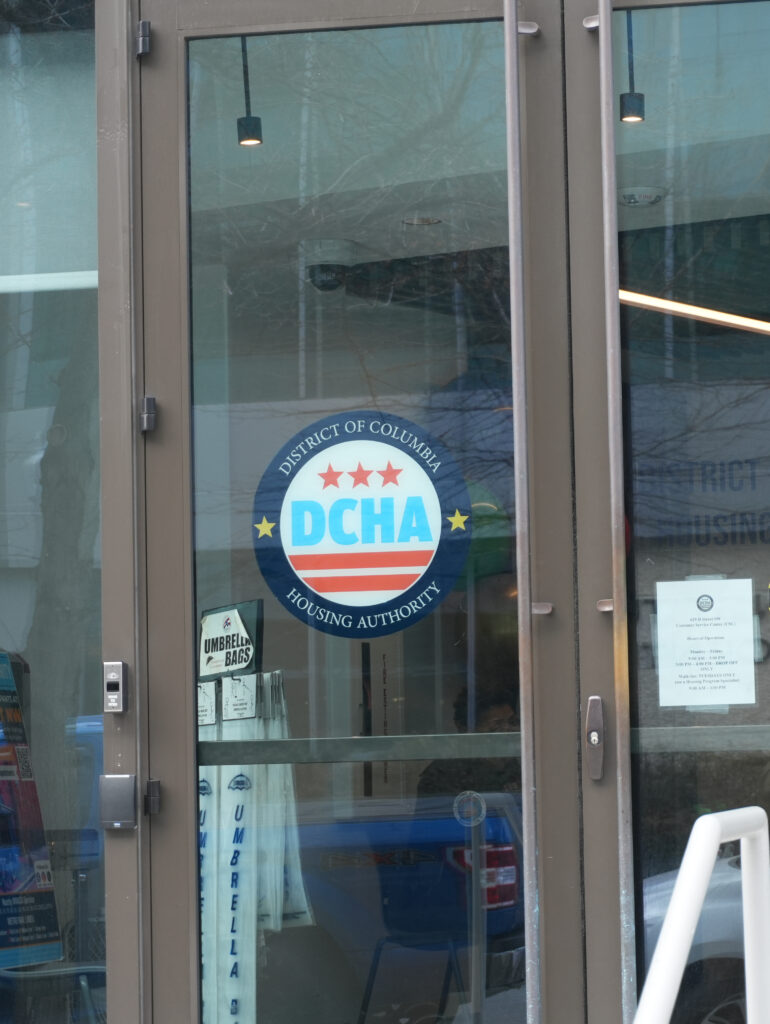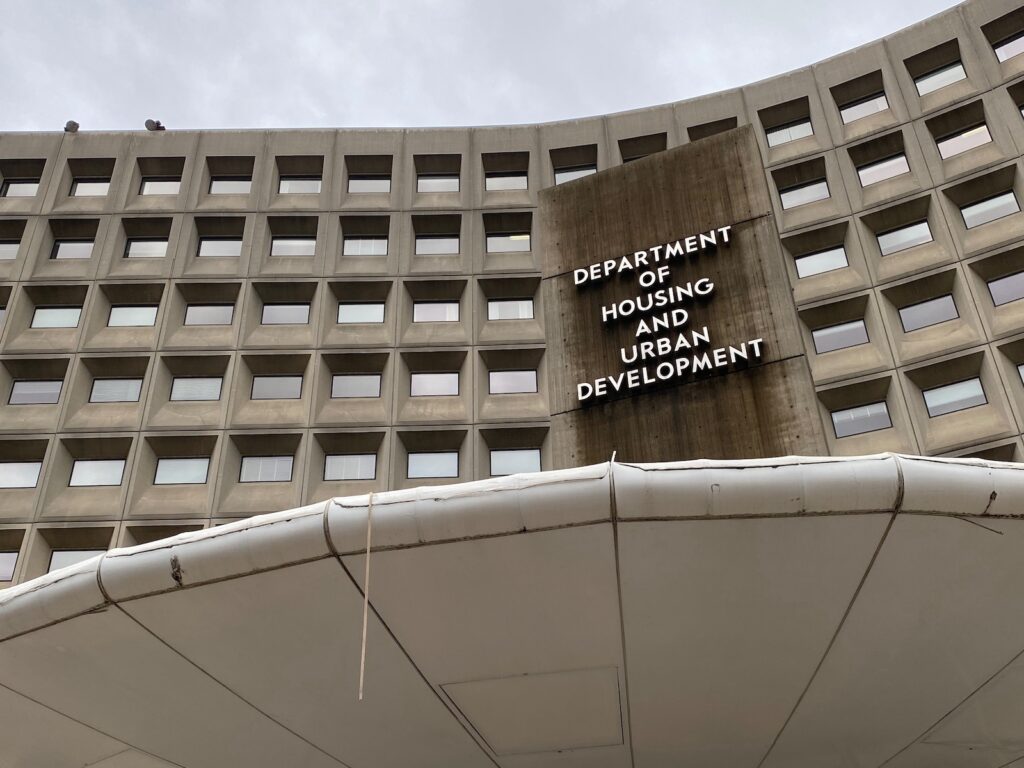
The Trump administration is threatening to audit the over 3,000 public housing authorities across the country, aiming to find people who are using public housing programs without citizenship or proper documentation. The first target is the D.C. Housing Authority (DCHA), according to Department of Housing and Urban Development (HUD) Secretary Scott Turner.
On Aug. 27, the Washington Examiner reported it had reviewed a draft letter that would be sent to DCHA requesting the names and mailing addresses of any tenant found to have “misrepresented either his or her citizenship, national, or eligible immigration status.” In a post on X on Aug. 29, Turner wrote, “D.C. Housing Authority is on notice — we are demanding all citizenship information for residents.” Turner threatened to reassess public funding for any housing authorities that do not comply.
Housing authorities, including DCHA, have about a month to reply. DCHA has not responded to multiple requests for comment to confirm whether it received the letter, or what it plans to send back to the federal government. Between housing vouchers and public housing, over 20,000 households live in DCHA-supported housing, though advocates believe most have legal status.
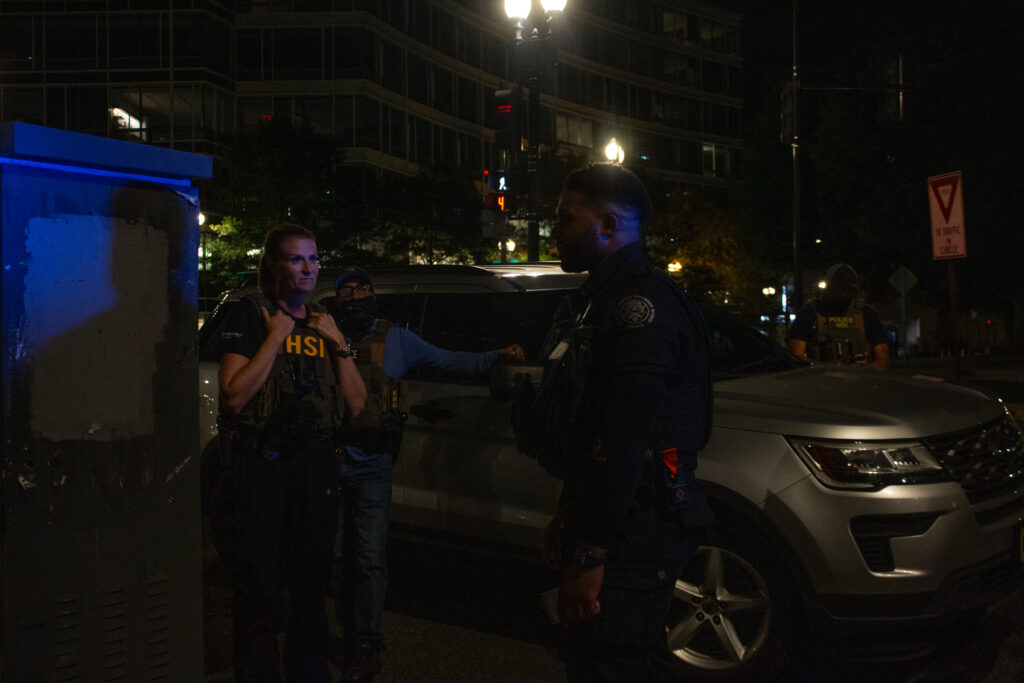
The audit comes as residents report feeling increasingly scared about the federal government’s policing of migrant communities in the city.
Public housing authorities are already required to share citizenship status with HUD, but two senior HUD officials told the Examiner many authorities do not do this. HUD recently signed a data-sharing agreement with the Department of Homeland Security (DHS), which means if HUD finds out someone is living in public housing without proper documentation, DHS could send Immigration and Customs Enforcement personnel to that address.
Although a person must be a legal immigrant or U.S. citizen to qualify for public housing, a federal mixed-status rule enables for people without legal status to live with a family member. HUD is requesting information specifically on these “mixed family” units, the draft letter reviewed by the Examiner said, including full names and mailing addresses. The Trump administration is also seeking to eliminate the rule allowing mixed-status families to live in public housing entirely.
Even with the mixed-status rule, gaining entry into public housing programs is extremely difficult. Street Sense reporting has found multiple instances of people sitting on the city’s housing voucher waitlist for more than 15 years. The programs’ scarcity suggests the number of non-citizen residents in D.C. public housing is quite low, advocates said.
Public housing and federally-funded vouchers are “such a limited resource that when it opens up, there’s already a waiting list, and immigrant families are not at the forefront of that list,” said Abel Nuñez, the executive director for CARECEN, an organization that offers services and advocacy to the D.C. Latino population.
Daniel del Pielago, the housing director at Empower DC, an advocacy organization for low- to moderate-income families, believes there are few migrants in the city’s public housing units.
“Doing this for years, I’ve seen a very small percentage of non-African American residents in public housing,” he said.
This raises the question, advocates said, of why HUD is auditing public housing authorities in the first place, and whether D.C. will comply.
“If the city is auditing, that is because they know they’re not going to find anything. I think that they’re trying to do things that make it seem like they’re trying to be compliant with the federal government, so that the federal government doesn’t come after them,” Nuñez said, referring to proposed legislation to remove the elected D.C. attorney general and replace them with a presidential appointee. “From where the mayor sits right now, the city’s home rule is under the gun.”
In recent years, D.C.’s housing services for migrants have been separate from those for long-time city residents. In 2022, after Texas and Alabama’s governors sent buses of migrants to Washington, D.C. as a political stunt, the city created the Office of Migrant Services (OMS) through the Migrant Services and Supports Act of 2022. This created a set of separate homeless services for migrants in the District, services that assume migrants are only staying in D.C. temporarily. The act also changed the definition of who would be considered a D.C. resident under the Homeless Services Reform Act, excluding migrants from homeless services. Although this act expired this year, it means that, in addition to federal restrictions on who can receive public housing, few migrants were eligible for locally-funded services like housing vouchers in the last several years.
By the end of 2024, OMS closed the three hotels it set up to house migrant families, and the city sent residents to Harbor Light Center, the only operating migrant shelter in the city. This past summer, staff told all Harbor Light migrant residents they needed to leave. Street Sense reported in July that no residents remained at the center, which is now for sale.
Whether it yields results or not, the public housing audit could intensify the chilling effect on migrants advocates say is taking place across the country. Nuñez said he has clients who won’t go outside for two weeks at a time, out of fear of running into ICE agents. The loss of trust between the city and migrant communities could also lead to fewer migrants seeking access to city resources, he warned.
“You think about all the things that we told a lot of our immigrants, even when their immigration status was in question. It’s like, ‘Come out of the shadows. Particularly, local governments are going to support you,’” he said. “But now, the federal government is using any information it can get to detain and deport people.”
This article originally appeared in Street Sense’s Sept. 24, 2025 edition.