More than half a dozen local advocates slammed the November rollout of D.C.’s Emergency Rental Assistance Program (ERAP), calling the city’s approach to connecting residents with emergency support “chaotic,” at an oversight hearing late last month.
Multiple local organizations advocating for D.C.’s low-income and unhoused population, including Legal Council for the Elderly and The Coalition for Nonprofit Housing and Economic Development, testified at a Feb. 26 Committee on Human Services hearing, criticizing the D.C. Department of Human Services’ (DHS) of an appointment-based system for ERAP. Advocates shared stories of individuals looking for assistance standing in long lines for hours when the program opened for applications on Nov. 20, only to be turned away when appointments ran out midway through the day.
“With less than two weeks’ notice, DHS replaced a long-standing online application system with an appointment-only process that forces residents to stand outside in the cold for hours or repeatedly calling phone lines that simply did not work,” said Sunny Desai, a managing attorney with Legal Counsel for the Elderly (LCE).
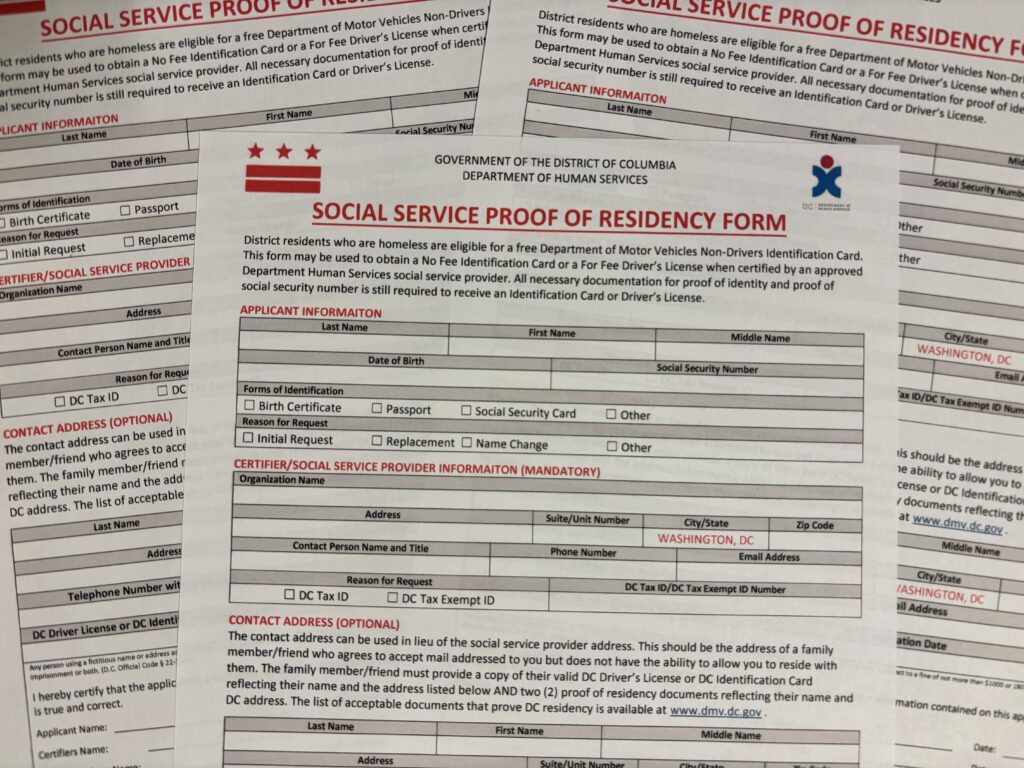
ERAP, which is run by DHS, provides funding for overdue rent, security deposits, and the first month’s rent to D.C. residents who earn less than 40% of the Area Median Income (AMI) and are facing a housing emergency, according to the program’s website. Despite D.C. residents showing a high level of need for housing assistance, the city has reduced funding for ERAP over the past few years. The District allotted $63 million in funds for ERAP in fiscal year 2024, but dropped it to $8.6 million for fiscal year 2026. City officials, including the mayor, have said that people who apply for the program are not facing emergencies, but rather in housing they can’t afford long-term, which is not the issue they say ERAP is designed to solve.
In the past, people seeking help applied for ERAP via an online portal, which opened either once every three months or once a year. In 2024, residents applied for more than $20 million in rental assistance in less than six hours, causing the portal to close for the rest of the fiscal year. Individuals reported issues accessing and completing their application through the portal, prompting DHS to change the process for the next year to be largely in-person.
In November, DHS told Street Sense the change was designed to increase transparency, provide applicants with more up-to-date information on funding availability, and improve the eligibility and payment processing timeline. D.C. officials also said they hoped the new system would help keep ERAP open to applicants for longer, though that did not happen.
“There’s been repeated implementation problems in the past when it was an online-only system. There’s multiple reports in the past of not being able to get through the online system, of the portal closing in 20 minutes sometimes,” Desai said at the hearing. “So DHS was well aware that demand for this program is very high.”
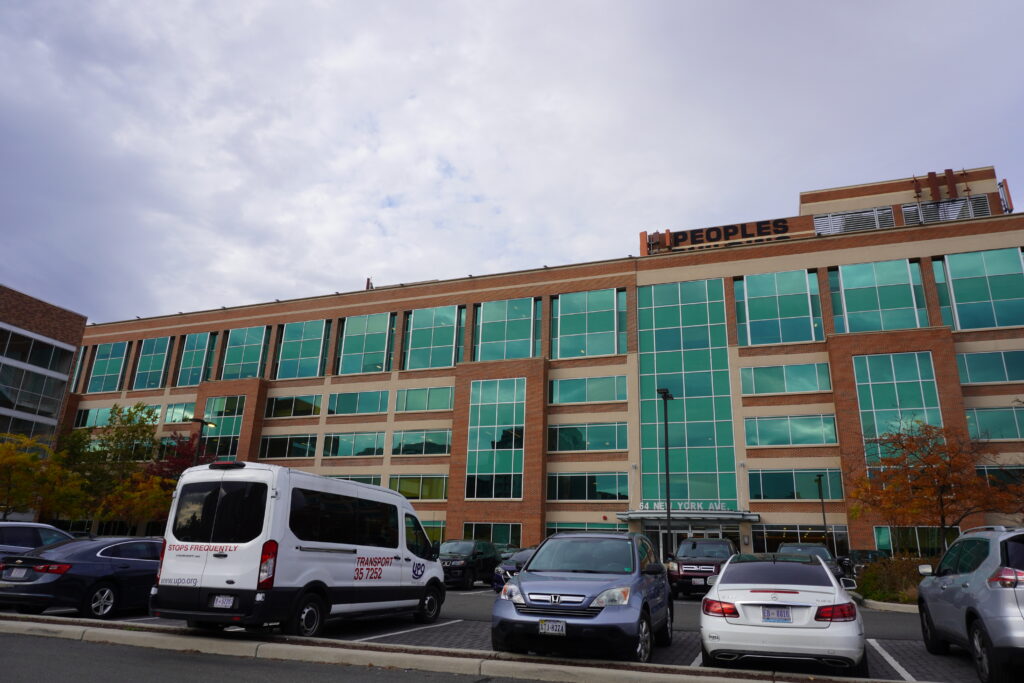
On Nov. 20, hundreds of low-income residents arrived at the Virginia Williams Family Resource Center to apply for ERAP and waited for hours in a line that went from the front doors of the building, through the parking lot, down the street, and around the corner. Some were turned away and told all appointments had been filled.
At the second half of the oversight hearing, on March 6, DHS Director Rachel Pierre fielded questions from Ward 3 Council member Matthew Frumin.
Pierre said DHS does not want a repeat of what occurred last fall in the upcoming fiscal year, but did not confirm specific changes with the agency would make for when ERAP reopens in fiscal year 2027.
Pierre said DHS has “lessons learned” after the rollout in November and may consider adding a platform where individuals could schedule an appointment online, as opposed to only in person.
“Obviously, in the fall, we wanted to be able to do both. The phone lines sort of crashed, so then more people came in person,” Pierre said. “So we would look to make sure that what happened in the fall does not happen again.”
Kyle Rush, a staff attorney with LCE, said support staff experienced firsthand that the process was a “complete nightmare.”
“DHS forced people with mobility concerns to wait without proper cover or access to proper facilities for their medical needs,” Rush said. “Some people left the event, stating that rental assistance was not worth putting their health at risk.”
Those who testified on Feb. 26 highlighted specific concerns about the process, including challenges for non-English speakers and people with disabilities, that they hope will be considered as DHS plans for its ERAP rollout in fiscal year 2027.
Mr. M is a Spanish-speaking 60-year-old man from Ward 4 and one of LCE’s clients, Rush said. Before Nov. 20, Mr. M was told to call in for an appointment and not physically attend, as interpreters would not be provided in person. He began calling at 9 a.m., as he had been instructed, but could not reach a staffer. Shortly after, the phone lines jammed.
“At that point, it was too late for Mr. M to attend in person, even if interpreters had been available,” Rush said. “Mr. M was deprived of ERAP simply because he’s a Spanish speaker.”
Rush also talked about Mr. R, a 71-year-old man from Ward 8. Mr. R commuted for over an hour to the event site and was told everyone would be given an appointment in due time. However, DHS did not have enough slots available. When DHS began calling residents to create a second line specifically for individuals with disabilities or mobility and health issues, Mr. R felt bad about joining it, as he thought others at the event had greater physical limitations than he did.
“Because Mr. R was a good Samaritan, DHS could not provide him with the assistance, and now he continues to face an eviction as a result,” Rush said.
Individuals with disabilities and mobility issues faced significant challenges throughout the day while trying to get an ERAP appointment. In his testimony, Rush said lines to get into the building ran down both ramps, forcing people to use stairs as their only exit.
“Our team witnessed bystanders carrying multiple individuals with disabilities down the stairs, including those in wheelchairs,” Rush said.
In addition to critiques of the fiscal year 2026 rollout, some advocates asked for broader changes in ERAP’s structure.
Maya Brennan, the chief housing officer at The Coalition for Nonprofit Housing and Economic Development, said ERAP opening applications all at once, as it has in the past few years, may be impeding its effectiveness. Before the COVID-19 pandemic, ERAP operated with a rolling application process, which Brennan said was more effective and allowed residents to apply for assistance when they needed help, and housing providers to get rent sooner.
“We believe the ERAP system overcorrected after the pandemic-era rules ended. We would like to see program administration and application processes return to these pre-pandemic norms,” Brennan said.
Lawmakers will soon decide the fate of the program in the fiscal year 2027 budget, and advocates urged them to increase funding for the program, something that might be a challenge in a tight budget year. Pierre noted in her testimony DHS still denies a substantial percentage of applicants the program, suggesting ERAP is not the most successful intervention for all residents seeking rental assistance.
Andria Chatmon, a community organizer with Empower DC, said the “predictable” failure of the ERAP rollout in November and D.C.’s steady disinvestment of the program show the city is “getting comfortable” with displacement.
“ERAP keeps residents housed. It’s a simple program that works.” Chatmon said. “We should not be content as a city with allowing people to be evicted who we could keep housed with one-time funds.”
This article originally appeared in Street Sense’s March 11, 2026 edition.