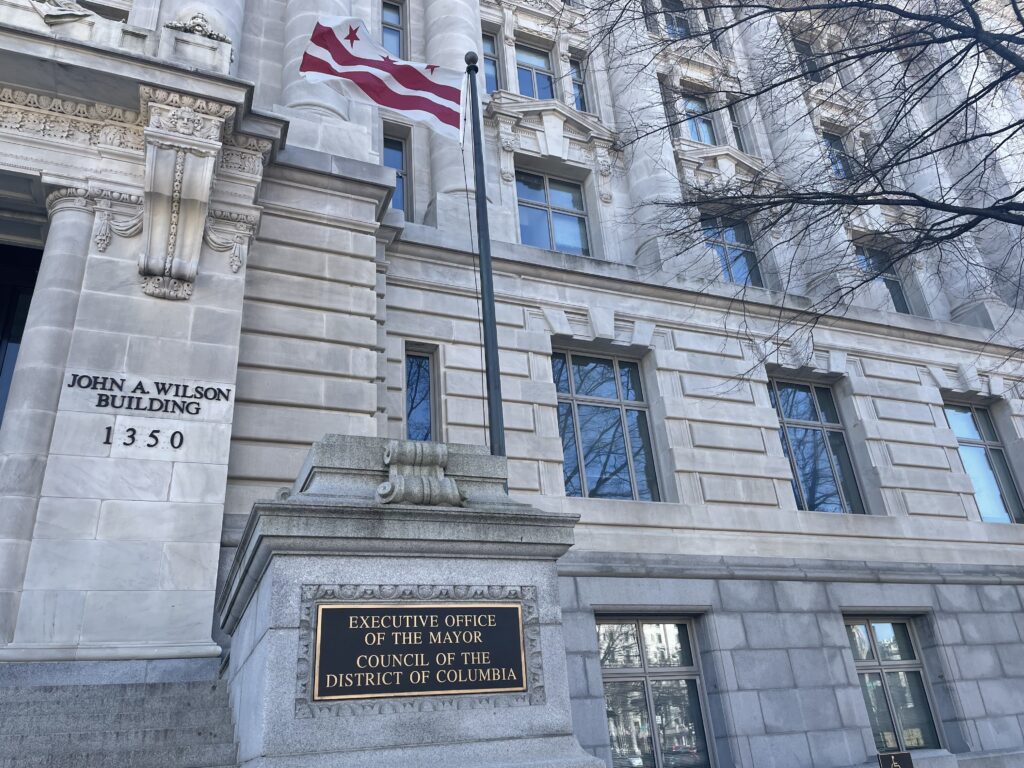
D.C. needs more social workers to get people to available help. In response, D.C. At-large Councilmember Robert White introduced a bill that would have the city join the National Social Work Licensure Compact with over 20 other states. This could allow more social workers to serve people in the city.
Social workers are the backbone of the city’s health care community, White said in a statement. “By joining this compact, we’re removing barriers that prevent them from doing their critical work and expanding access to care for residents who depend on them.”
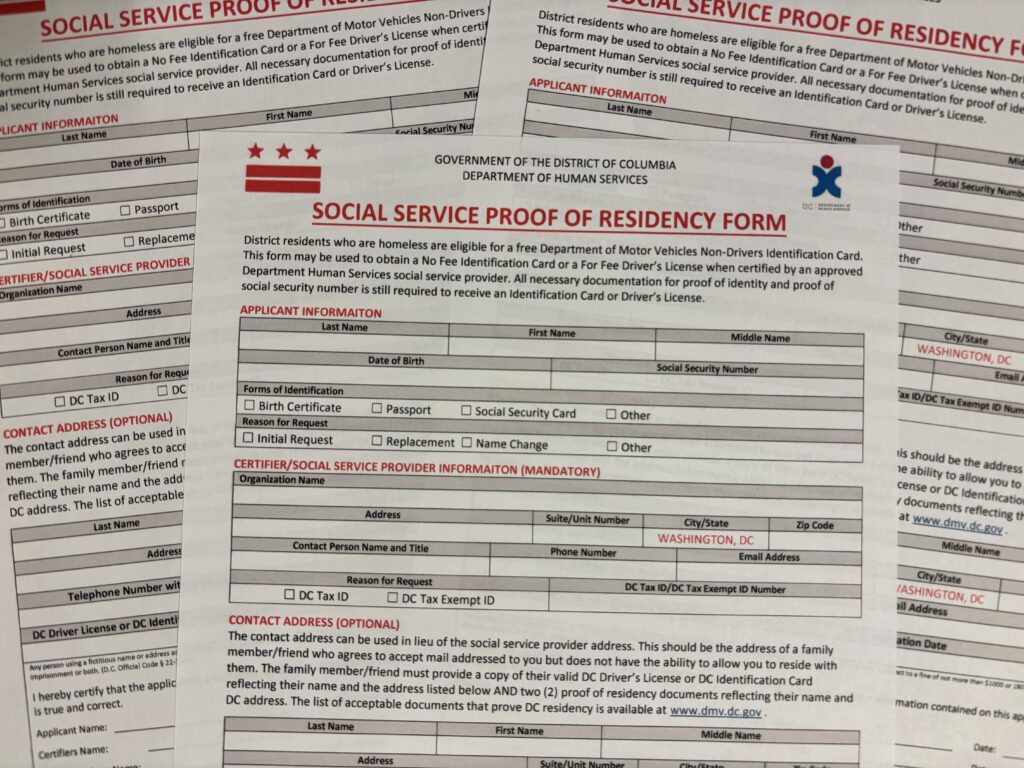
Social workers, also referred to as case managers, are an essential piece of the homelessness services system. They walk clients through applications for vouchers and housing, and are tasked with providing support to people throughout their experience with homelessness and in housing programs. In 2022, a major reason D.C. was slow to use 2,400 vouchers, according to homeless services providers, was a lack of case managers. To help fill the gap, D.C. approved a program to fully cover tuition for social work master’s students who committed to spending two years working in the District.
Numbers confirm this need. The Point In Time (PIT) count puts the D.C. region’s homeless population at 9,659, according to the 2025 report from the Metropolitan Washington Council of Governments. That is 1,575 more than in 2021, suggesting D.C.’s health care system could use an influx of social workers. With recent political shakeups across multiple government departments and the longest shutdown in history, social systems across the country are facing more people in need of help.
D.C. returned between $2.5 million and $4 million annually in fiscal years 2019, 2020, and 2021 to the U.S. Department of Housing and Urban Development due to social worker staffing shortages. In 2024, 800 people who qualified for a housing voucher could not start the process due to a shortage of social workers.
“Making it easier for social workers to serve across states means better, more consistent care for the people who need it most,” White said in a statement. More than 20 other states agree, having already joined the compact. “This is about ensuring that the professionals dedicated to healing our communities can focus on their work, not red tape.”
This article originally appeared in Street Sense’s Dec. 3, 2025 edition.