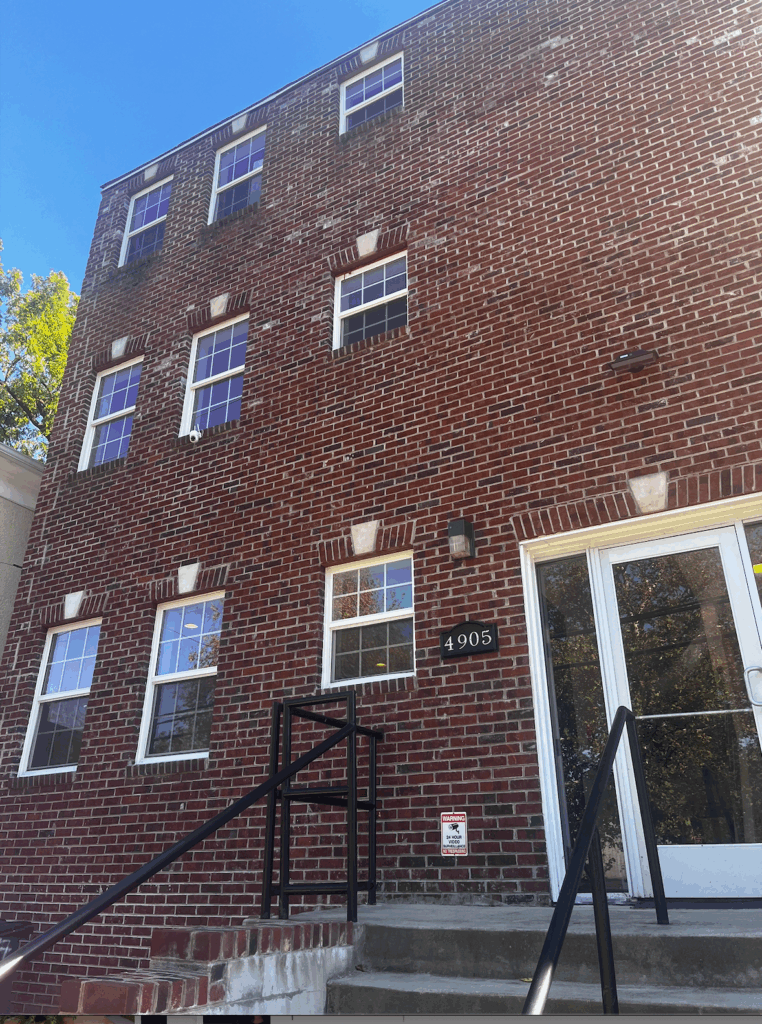
A new halfway house for formerly incarcerated men is set to open in Ward 7 on Dec. 1. The facility, called HeRise Growth Center, will be the only halfway house for men in D.C after the closure of Hope Village in 2020, founders say, adding a crucial resource for them as they leave prison.
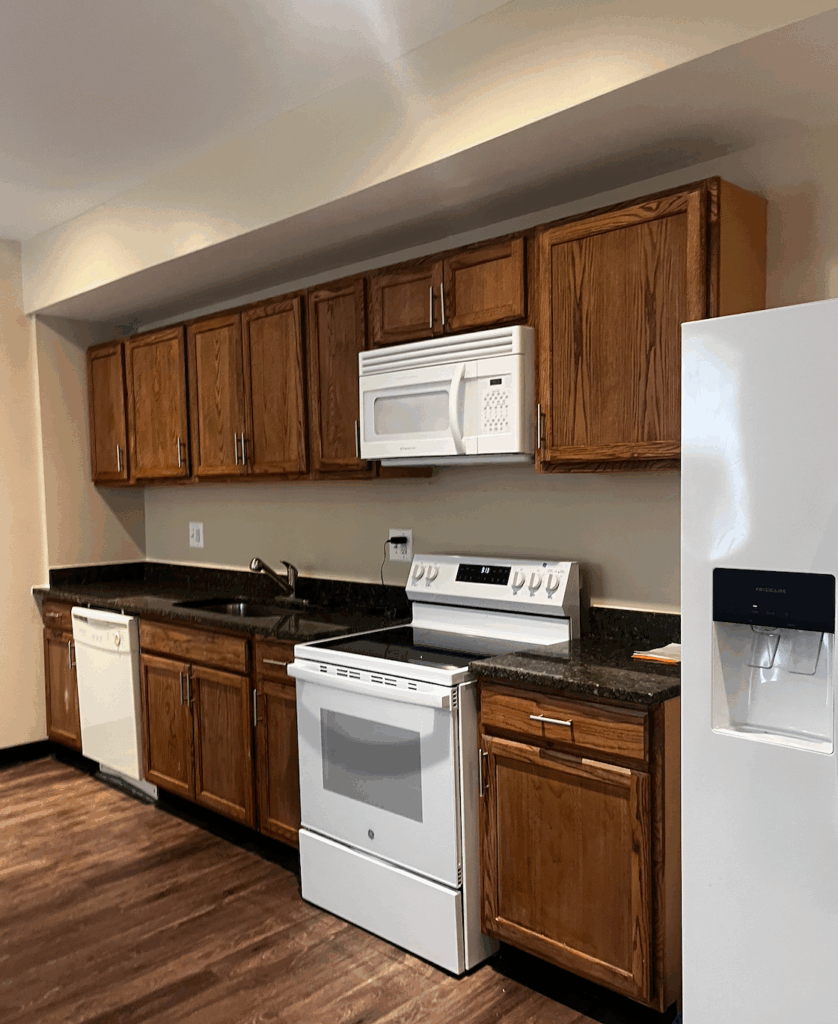
HeRise will be located in Deanwood on Sheriff Road NE and plans to serve up to 24 residents. The facility, which founders and incoming residents describe as “luxury,” offers 16 individual units, a full kitchen, laundry room, and community center. The staff will also offer financial literacy and entrepreneurship classes to residents.
HeRise staff said they hope to secure a contract with the Federal Bureau of Prisons (BOP), which would allow incarcerated men to be referred to live in the center as they near release. But for now, HeRise will operate as a private halfway house and plans to accept residents who have recently left prison or were formerly incarcerated through an intake form.
Andrane Gordon, president of HeRise and co-founder along with Monique Todd, said the halfway house will fulfill a desperately needed gap in the community. Hope Village, a 304-bed halfway house in Southeast D.C., closed in April 2020 after more than 42 years of operation. While the expiration of the facility’s contracts with the BOP led to its closure, Hope Village faced years of complaints from residents for a lack of services and unsafe conditions.
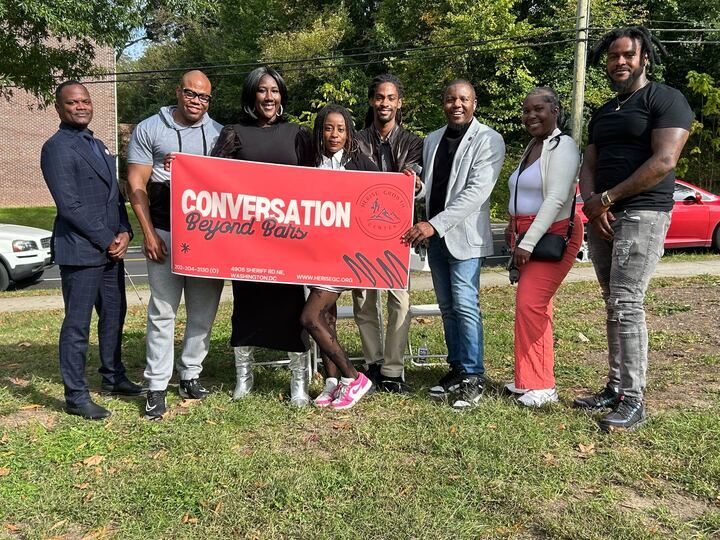
“When I went to the jail, I went to talk to the guys, and I heard the need — the cry out for help with the gentlemen,” Gordon said. “There are so many programs for women, for women with kids, but not that much help when it comes to the men. A lot of times, they have to fight for help.”
Since the closure of Hope Village, HeRise founders say that D.C. has not had a halfway house for men, though there is one small facility for women. Another facility, which has already received a contract from the BOP, has been in the works for several years but has not yet opened. While HeRise does not have a contract that would allow prisons to directly release people to the program, like Hope Village did, founders say it will still serve as a place for returning citizens to find their footing in society.
Halfway houses are a community-led resource that prevent homelessness and provide a place for people to move into as they transition out of prison. Formerly incarcerated people are almost 10 times more likely to be homeless than the general public, according to a report from the Prison Policy Initiative. Places like HeRise can keep people from unsheltered homelessness, which is often associated with a higher likelihood of reoffending, according to research from the D.C. Criminal Justice Coordinating Council.
HeRise’s new facility will house men for six to nine months, depending on their pretrial or probation status. The building includes ADA-compliant units, both single and double-occupancy rooms, a fitness center, and a computer lab, according to Gordon. She said HeRise will emphasize entrepreneurship skills to help residents find employment.
“We’re an entrepreneurial-based halfway house,” she said. “That doesn’t mean everyone has to be an entrepreneur, but the foundation of entrepreneurship teaches you a lot of skills that are good for life in general.”
While HeRise’s number of residents may seem small in comparison to the hundreds of beds at Hope Village, research suggests that “smaller, more-homelike, treatment-rich environments” are more likely to reduce recidivism than large facilities, according D.C. Justice Lab. In fact, many of the grievances from Hope Village’s former residents stemmed from overcrowding and the lack of personalized services.
For incoming residents, HeRise represents stability, something many people struggle to find after incarceration. Darren Miller, a reintegrated citizen who spent seven years in a Maryland prison and has been home for two months, said reentry has been challenging.
“When you come home from prison, you don’t want to go back to [prison] and make the same mistakes you made. We all keep a better mindset of, ‘man, when I get home, I gotta do this for myself,’” Miller said. “I gotta do this because I don’t want to come back to this predicament of being told what to do and losing my rights.”
Miller plans to move into HeRise when it opens and has been a part of efforts to organize HeRise as a media and wellness specialist. He said the support system and structure of the program could make all the difference.
“HeRise is a great platform for the men that are in those predicaments, trying to stay out of harm’s way, trying to make a bigger impact for their life, and trying to do better as a foundation for themselves,” Miller said.
To Miller, the opening of HeRise is especially important for D.C. because, since the closure of Hope Village, men returning home from prison in the District have had no local halfway house. Instead, they are sent to facilities in other states, such as Maryland, New Jersey, or Pennsylvania. That distance, he said, often separates men from their families and support systems at the exact moment they need stability most.
Miller said this also means men often have to choose between getting a job in whatever city or state they were put in or being close to their families in D.C., presenting another barrier to employment. If HeRise gets a contract with the BOP, then men directly released from prison can finally have a place to rebuild their lives close to home.
“Say we find a job out in another city that’s not close to our relatives or our support, and we start working that job, then we come back to our city, then we lose that job,” Miller said.
That’s something HeRise founder Gordon has seen as well. Her motivation for creating HeRise came from personal experience, as she’s played the second parent role for her nieces and nephews, all of whom have fathers who have been incarcerated.
“I figured I would be part of the change,” she said. “Even if I couldn’t change their dads, I could reach someone.”
HeRise Community Outreach and Engagement Advocate Jewel Stroman said the mission of the halfway house also resonates deeply with her as an advocate for people experiencing homelessness in D.C.
Stroman was an ANC candidate in 2018, is the founder of Rise Above, a community supply hub in Wards 7 and 8, and has helped house about 300 families experiencing homelessness.
“Before I was an advocate, I was homeless. And before that, I was formerly incarcerated,” Stroman said. “That’s something I’ve never been ashamed of or tried to hide, even when I was running for ANC. It’s part of who I am.”
When the facility opens later this year, Miller said he hopes HeRise can offer formerly incarcerated people a chance to start over and build a life after incarceration, like Stroman has.
“I don’t think guys want to mess this up. Just having the halfway house is a big step because we’re thinking on our part, ‘if we don’t have this halfway house, what’s the next step for us?’ So why would we want to mess this up? Why would we want to put a bad stigma on something like this that’s going to be great for our city?” Miller said.
Gordon said that stigma is something she’s determined to change. She hopes HeRise can help combat the misconception that halfway houses are crime-ridden and dangerous, encouraging people to see them instead as places that bring communities together and give people a new lease on life.
“There are a lot of stigmas behind halfway houses, and I think it all lies in the people behind them,” Gordon said. “It’s not that halfway houses aren’t a good source; they play an important role in reintegration. They provide structured living. When you’ve done 20 years anywhere and come back to society, things have changed. It’s important to have a halfway house that helps you understand those changes.”
Correction: This story has been updated to reflect the correct spelling of Gordon’s name and include co-founder Monique Todd.
This article originally appeared in Street Sense’s Oct. 22, 2025 edition.