A series of overdose spikes across D.C. this summer, including a citywide surge over the Fourth of July weekend, has prompted harm reduction advocates to call for expanded drug checking, which they say could help prevent overdoses before they happen.
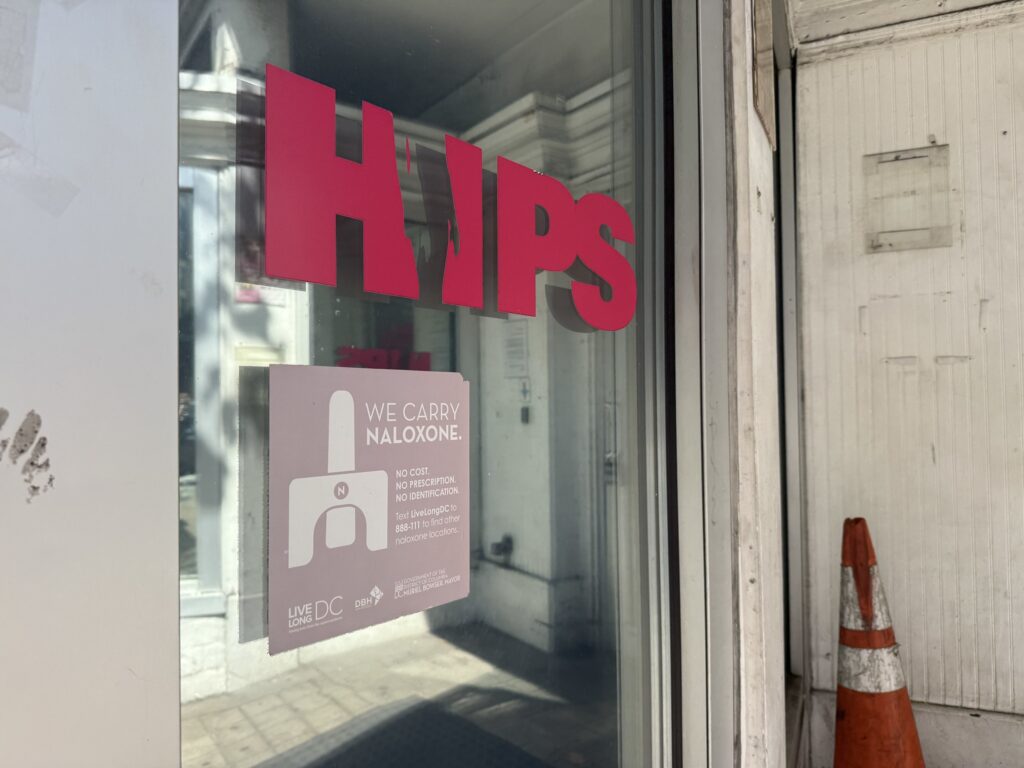
HIPS Executive Director Cyndee Clay said the nonprofit harm reduction organization documented a spike in nonfatal overdoses over the Fourth of July weekend. Unlike previous overdose spikes, Clay said the holiday weekend surge occurred across multiple neighborhoods rather than remaining concentrated in one area.
Several days after the Fourth of July, Clay said HIPS documented another prolonged overdose spike, with more than 25 people experiencing nonfatal overdoses within a 24-hour period. Because HIPS relies on emergency response data, she said the true number of overdoses is likely higher, since some overdoses are treated without emergency services being called.
In response to the spikes, HIPS and other advocates want D.C. to expand comprehensive drug checking. They argue overdose spikes often happen when particularly dangerous batches of drugs begin circulating. By testing small samples of drugs before they’re used, outreach workers could find those batches earlier and warn communities before more people overdose.
The push comes as fentanyl continues to dominate D.C.’s overdose crisis. Although opioid overdose deaths have declined from pandemic-era highs, advocates said the recent overdose spikes show the crisis is far from over. According to D.C. Health’s Live Long DC dashboard, there were 458 fatal opioid overdoses in 2022 and a record 516 in 2023. That’s decreased in more recent years, with D.C. recording 232 fatal overdoses in 2025.
From January to April 2026, D.C. recorded 58 fatal opioid overdoses and 1,046 nonfatal opioid overdoses. Fentanyl was involved in 96% of fatal opioid overdoses over the past year, according to the dashboard. Ward 8 recorded the highest fatal overdose rate, followed by Ward 7.
Advocates with HIPS and ReFrame Health and Justice, a national harm reduction advocacy group, said D.C. is often left responding after overdose spikes have begun instead of identifying substances that raise the risk beforehand. Drug checking would allow people to voluntarily bring small drug samples to organizations for analysis before using them, helping identify dangerous substances, like fentanyl, xylazine, or lidocaine, in the drug supply.
Advocates said the goal of drug checking is to reduce preventable overdoses by giving people better information about the drugs they plan to use, not to eliminate all risks that come with drug use.
“Overdose is a very preventable phenomenon,” said Queen Adesuyi, policy director at ReFrame Health and Justice. “People don’t have to accidentally overdose.”
Public health officials stress there is no safe way to use illicit drugs, and any use carries a risk of overdose and other serious health complications. Taking drugs like heroin, cocaine, or counterfeit pills carries risks of seizures, cardiac arrest, and stroke. Those risks can be compounded by additional substances present in the drugs, which those using them may not know about. Centers for Disease Control data show 98% of overdose patients who tested positive for fentanyl also had at least one additional substance, such as cocaine, methamphetamine, or heroin, in their system.
“Because we don’t have a regulated drug supply, you never know what you’re getting,” Clay said. “Drug checking helps stabilize that a little. If there’s something bad going around, then you can check to make sure that’s not in your drugs.”
D.C. already runs a syringe surveillance program. Throughout the past year, the District’s Department of Forensic Sciences agency analyzed 2,812 used syringes and detected fentanyl in 34.6% of samples, followed in frequency by cocaine (29.7%), heroin (20.3%), and xylazine (18.3%).
Without comprehensive drug checking, Clay said HIPS relies on surveillance, emergency response data, and reports from people who use drugs to identify changes in the local drug supply. During overdose spikes, HIPS distributes naloxone, increases street outreach, posts alerts on social media, and encourages people not to use drugs alone.
Although overdose affects residents across D.C., Adesuyi and Clay said people experiencing homelessness may face additional risks. Extreme heat and limited access to clean water can worsen the physical effects of drug use, Clay said, while the lack of safe places to use drugs means people are more likely to overdose alone without someone nearby to help.
Speaking at a recent Interagency Council on Homelessness meeting, Executive Director Theresa Silla said the Office of the Chief Medical Examiner identified about 50 intoxication-related deaths among people experiencing homelessness in both 2024 and 2025. The figures build on a broader trend: in 2023, opioid overdoses accounted for 57% of all deaths among people experiencing homelessness in D.C. Silla contrasted those figures with the District’s average of about two cold-weather homeless deaths each winter, saying overdose has become one of the most urgent public health issues facing people experiencing homelessness.
Adesuyi urged D.C. leaders, such as the Department of Behavioral Health (DBH), to implement comprehensive drug checking, saying it would give outreach workers information to warn communities before overdose spikes escalate and help people who use drugs make more informed decisions. DBH did not provide a comment by publication.
“Harm reduction saves lives,” Adesuyi said. “It’s more effective to actually support people ahead of an overdose.”
This article originally appeared in Street Sense’s August 12, 2026 edition.